B5N Nakajima Bomber
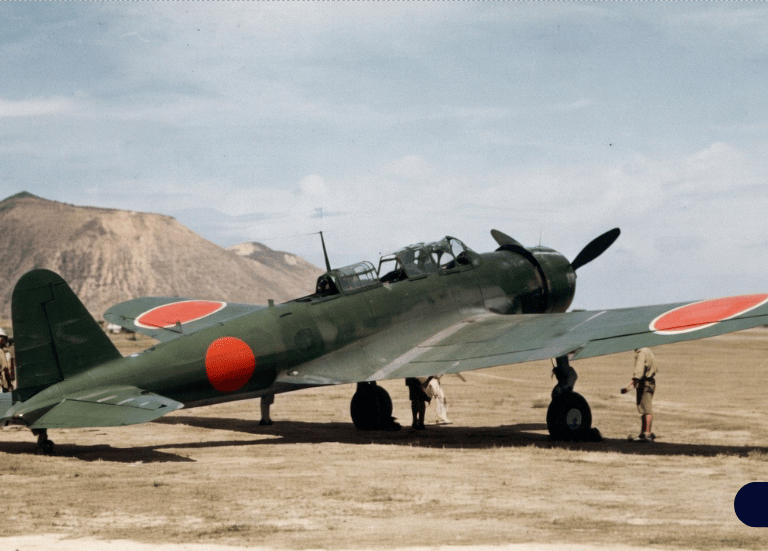
Developer: Nakajima
Country: Japan
First flight: 1937
Type: Carrier-based Torpedo bomber
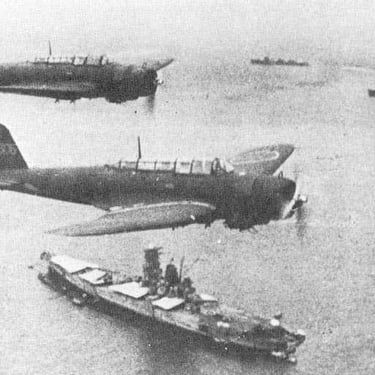
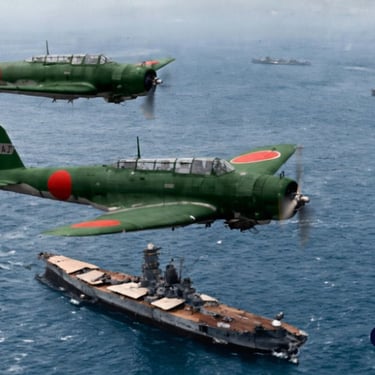
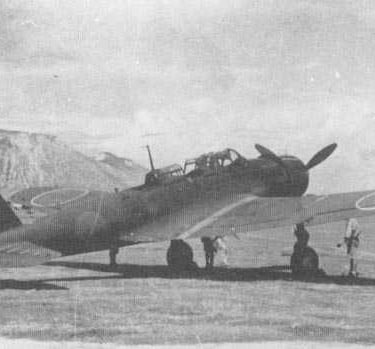
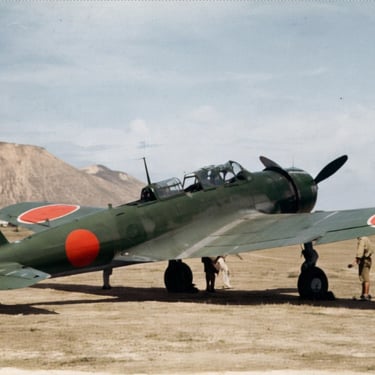
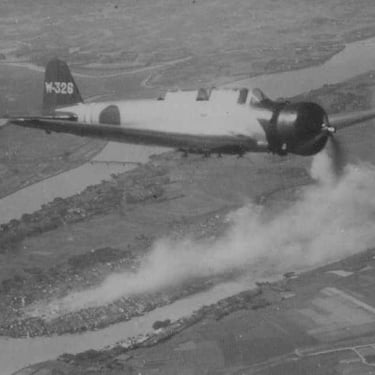
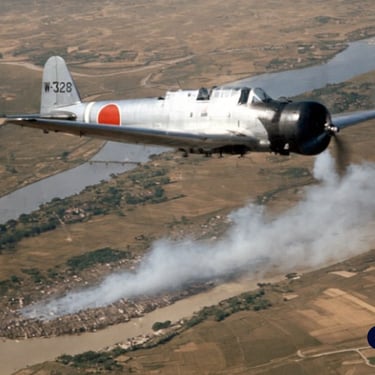
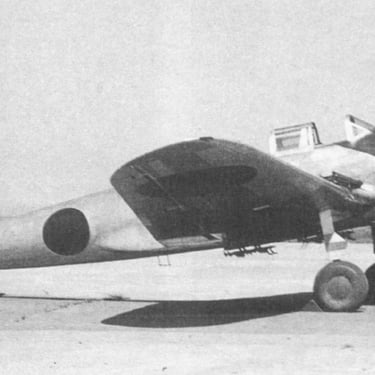
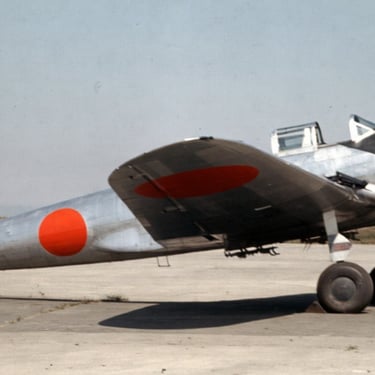
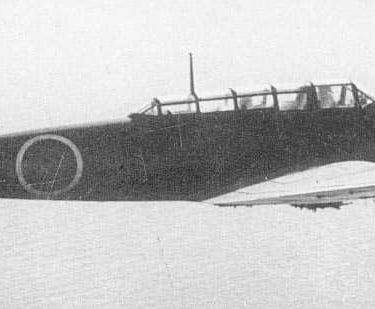
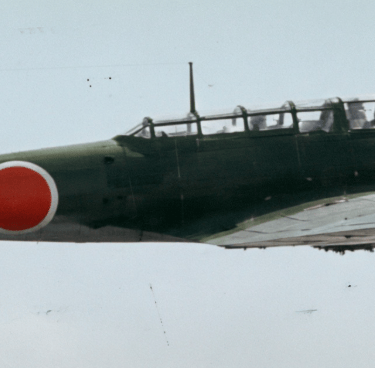
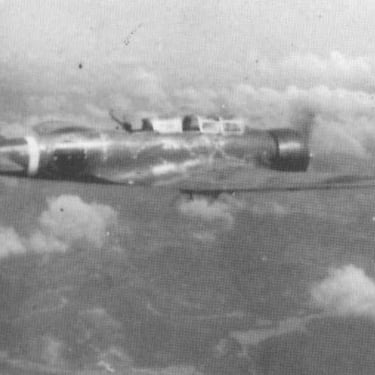
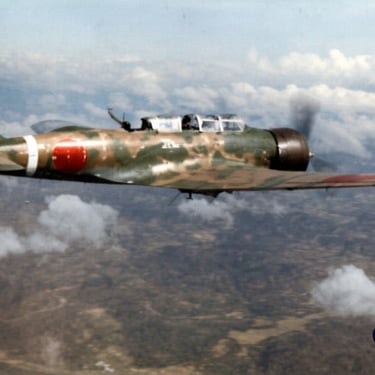
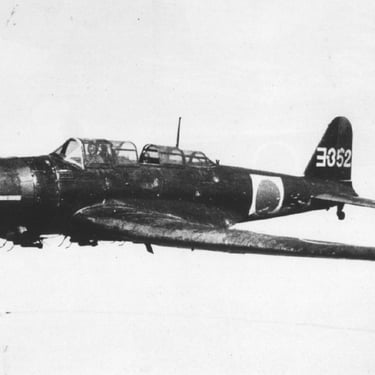
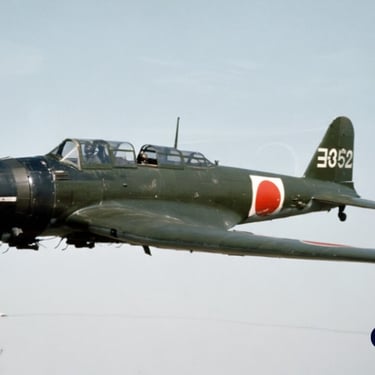
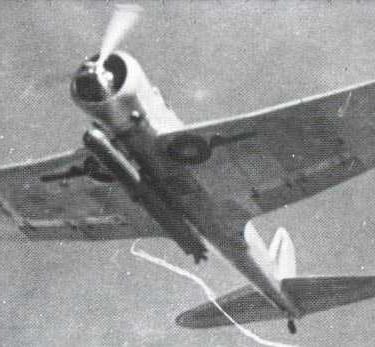
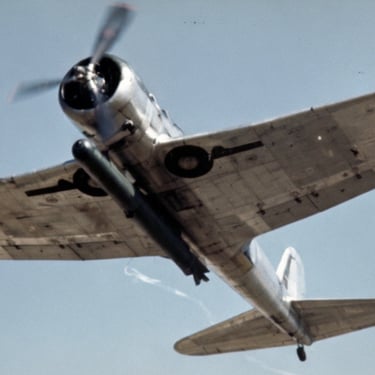
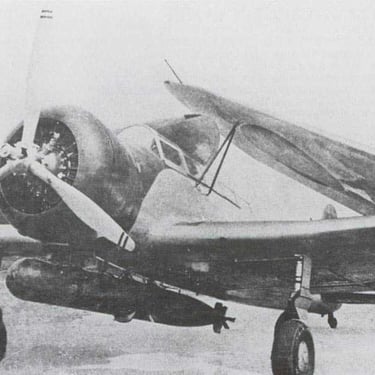
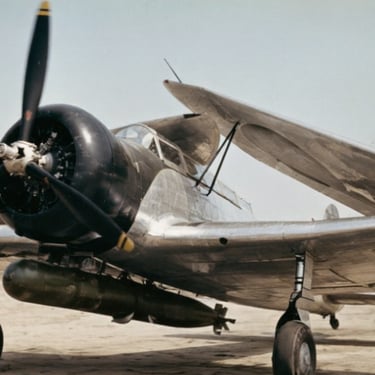
On December 7, 1941, the Western world was abruptly reminded of the oldest maxim of warfare: "Never underestimate the enemy." Imperial Japanese forces, dismissed for decades as obsolete and a bit of a joke, began a series of sweeping victories that, in a matter of months, led to the capture of a quarter of the planet. This began roughly four years before the Allies could even begin to claw their way to victory, four years of brutality unparalleled in official history. Ultimately, only the use of entirely new and utterly terrifying weapons restored peace, and in this final, brutal victory, many tended to forget that Japan's conventional forces still held vast swathes of Asia at the moment of their surrender, territory that Western conventional armies would be unable to recapture for four long years.
The branch of the military that led the Japanese conquest was the JNAF, and it is fitting to view the development of that branch as a backdrop to the story of the Nakajima B5N , the aircraft that ordered the attack on Pearl Harbor and thus, so to speak, started the entire Pacific War at 7:49 a.m. that December morning 25 years ago.
In September 1914, Japanese naval aviation conducted its first military operations when the seaplane Wakamiya Maru sailed to Kiaochow Bay in China with four Maurice Farman floatplanes to operate against the German Navy. These operations included reconnaissance flights and a bombing attempt. As a result of these and other actions, German possessions in the Marshall and Caroline Islands were ceded to Japan at the end of the war—a gift that would have significant consequences 20 years later.
At the end of World War I, the IJN decided that America had become the primary potential enemy, while the Army considered Russia the most likely adversary. Since there was no cooperation between the services, and both the Army and Navy viewed their aviation only as a means of extending the striking power of their main forces, it is not surprising that in the pre-war period, Army aircraft were designed for a land war against the Russians, while naval aircraft were designed for a naval war against the United States.
Early Japanese aircraft were mostly imported, but in 1918, Lieutenant Chikuhei Nakajima resigned to form his own aircraft company with Seibei Kawanishi in Ota, Gunma Prefecture. However, disagreements arose later that year, and Kawanishi left to form his own company, while Nakajima continued to license foreign aircraft and design his own first-borns for competitions sponsored by both the Army and Navy for the aircraft they required.
In 1921, Captain Sempill led a group of thirty British instructors to create the core of the new JNAF, while Herbert Smith, formerly of Sopwith, headed the Mitsubishi design team responsible for the Type 10 series of carrier-based fighters, bombers and torpedo bombers.
The first Japanese aircraft carrier entered service in 1923. It was the Hosho, although at the height of battleship development, few saw much of a future for the carrier. The exception was Captain Yamamoto, commander of the Kasumigaura Naval Flying School, who predicted that the carrier could be a vital vessel in future naval battles.
In the second half of the 1920s, development was slow, as there was a tendency to regard naval aviation as an eccentric and rather unimportant part of the fleet. The aircraft were ineffective, and the new models produced by Japanese design teams with the help of foreign advisers such as Vogt at Kawasaki and Petty (of Blackburn) at Mitsubishi showed only marginal improvements over the aircraft they were intended to replace. However, all the while, Japanese designers were gaining experience by building aircraft under license and creating their own. They also followed a policy of purchasing single examples of modern foreign aircraft to test alongside their own designs and copying any features they believed could improve their machines. As a result of this policy, a myth began to circulate throughout the Western world that Japanese aircraft were inferior copies of Western designs. This misconception suited the IJN well, and they did nothing to refute it until December 7, 1941.
In the early 1930s, Captain Yamamoto, returning from a stint at the Washington embassy and now a vice admiral, took over as chief of the Naval Aviation Technical Bureau and began pursuing a policy of developing aircraft suitable for naval warfare in the Pacific. The result was the rapid development of a series of highly effective naval aircraft, culminating in 1941 in the largest and most powerful naval air force in the world. Fighter development progressed from the carrier-based fighter of the 9-Shi program to the A5M4 (from here on, the code name for Japanese aircraft adopted by the U.S. Army Air Forces - ed.), which was widely used in China, and then to the A6M "Zero."
The development of dive bombers produced the Type 99 (Aichi D3A, "Val") naval carrier-based dive bomber, while Yamamoto's plan for long-range, land-based naval bombers resulted in the Type 96 (Mitsubishi G3M, "Nell") naval strike bomber and later the Type 1 (Mitsubishi G4M, "Betty") naval strike bomber, which sank the British battleship Prince of Wales and cruiser Repulse when they were considered well beyond the range of land-based air attacks.
In the torpedo bomber, or carrier-based strike bomber, category, the unreliable Type 89 carrier-based strike bomber (Mitsubishi B2M) was replaced in 1936 by the Type 96 naval carrier-based strike bomber (Yokosuka B4Y, or "Jean"). This biplane had a speed of 277 km/h (170 mph) and a range of 1,574 km (930 mi), which was quite sufficient for the time. Only 200 of these aircraft were produced.
However, in 1935, Specification 10-Shi was issued, reflecting a radically new approach to torpedo bomber design. It called for an aircraft with performance far superior to anything previously created. Both Mitsubishi and Nakajima decided to compete for the contract.
The specification for the 10-Shi naval carrier-based strike bomber called for a speed of at least 330 km/h (200 mph) and an overall performance increase that a biplane could not meet. In 1935, Jiro Horikoshi's 9-Shi fighter, later to become the Mitsubishi Type 96 ("Claude") naval carrier-based fighter or A5M, made its maiden flights and demonstrated the capabilities of a monoplane with a speed of 449 km/h (270 mph) at 3,000 m (9,000 ft). A difficulty encountered was yaw during the final stages of landing, which could have been a major drawback for a carrier-based aircraft where precision landings were vital, but it was believed that this could be overcome by the use of flaps, which were considered a novelty, although they had been used in early forms during World War I.
The Mitsubishi design team was greatly assisted by their study of the Nortrop 5A bomber, imported from the United States in 1935. This aircraft incorporated the results of NACA's 1933 flap work and was very advanced for its time. Its design was further developed in America with the adoption of retractable landing gear and a more powerful engine in the Nortrop A-17 series of light bombers, a number of which were used by the Royal Air Force (Nortrop Nomad) during World War II. Douglas (due to Northrop's financial difficulties) also took advantage of its design features and used them as the basis for the designs of their TBD Devastator and SBD Dauntless, carrier-based aircraft for the USN. Horikoshi considered this aircraft to be the most important for them of all the Japanese imported in the 1930s. The Nakajima project, which called for an 840-horsepower Nakajima Hikari 2 radial engine in a low-drag NACA cowling, featured many innovative technical features. It was equipped with hydraulically retractable landing gear, one of the first on a Japanese aircraft. The landing gear design was logically based on the design used on later modifications of the Nortrop A-17. However, this was the Japanese first attempt at using a hydraulic system of this type, and therefore the problems encountered during testing were not unexpected. However, they were overcome, and the experience gained was used in the design of the landing gear for the 12-Shi (later "Zero") carrier-based fighter.
To accommodate the aircraft carrier's hangars and minimize space requirements, the wings had to be folded, and the pivot points were positioned so that the wing panels overlapped each other. Hydraulic cylinders were located in each wing to enable mechanical folding. Other new features on the prototype included Fowler-type flaps, which extended downwards beyond the trailing edge of the wing, and a three-bladed variable-pitch propeller.
The prototype made its maiden flight in January 1937, reaching a speed of 370 km/h (230 mph). Subsequent testing revealed that the wing folding mechanism was a hazard, especially in windy conditions. Since this was common on carrier decks, a manual retraction system, using a lever inserted into the underside of the wing by a technician, replaced the hydraulic system. The Fowler-type flap mechanism also presented problems, and it was decided to replace it with a simplified device in which the entire trailing edge section pivoted downward.
The variable pitch propeller was replaced by a constant speed propeller, and from the second aircraft onwards, integral fuel tanks were placed in the centre section, while the engine was replaced by a 770 hp Hikari 3. To provide the aircraft with the ability to carry either bombs or torpedoes, a variety of hardpoints were created that could be quickly removed or replaced by maintenance personnel.
The pilot sat in the forward part of the cockpit, with poor forward visibility due to the tail being down. Since good visibility was essential for deck operations, the seat could be raised during takeoff and landing so that the pilot's eyes were level with the top of the canopy. Simple instruments for blind flying were provided. The navigator/bombardier/observer was located in the second cockpit, facing forward, and had a small window in each side of the fuselage, allowing him to monitor fuel consumption using a gauge on top of the center-section fuel tanks. To aim the bombs when releasing them, he opened small doors in the floor, recessed to the left of the load suspended under the fuselage. The radio operator/rear gunner sat in the rear with his machine gun, usually stored inside the fuselage. Early radios were of the low-frequency type and used a long towed antenna.
Communication between crew members was via speaking tube, and oxygen equipment was not usually installed. The crew wore bulky kapok life jackets of very ineffective design.
In this form, the B5N1 entered service with the Navy in 1937 as a standard torpedo bomber and low-altitude bomber, which it remained until 1944. It was known as the Type 97 Model 1 Naval Carrier-Based Strike Bomber. Mitsubishi's design for the 10-Shi program was similar in layout to the Nakajima product, but more conservative in its engineering approach. The wing was elliptical, perhaps as a result of the success achieved with this form on the Type 97 fighter, but the landing gear was fixed and faired, and the wings were initially manually folded. The engine was a 1,000-hp Mitsubishi Kinsei, which gave it better takeoff performance than the Nakajima design, and a top speed of 230 mph (378 km/h) versus 235 mph (368 km/h) for the operational B5N1.
It was decided that this aircraft should also be produced for service, and during 1937, 125 of these machines were produced. They entered service under the designation Type 97 Model 2 (B5M1) naval carrier-based attack bomber and were also referred to by the code name "Kate" during the war.
Despite the aircraft's good performance, the Nakajima design was selected for large-scale production and as the standard carrier armament. The reasons for this decision were apparently related to the high potential for development resulting from the advanced technical solutions incorporated into the B5N1 and the fact that at the time, Mitsubishi's design staff was struggling with modifications to the Type 96 naval carrier fighter, the design of a new dive bomber to the specifications of the 11-Shi program, which was ultimately won by Aichi with its D3A, and preliminary work on the 12-Shi fighter, which was quite sufficient for them.
The Type 97 Model 2 (B5M1) naval carrier-based attack bomber was used only for anti-submarine patrols in southern China and Hainan.
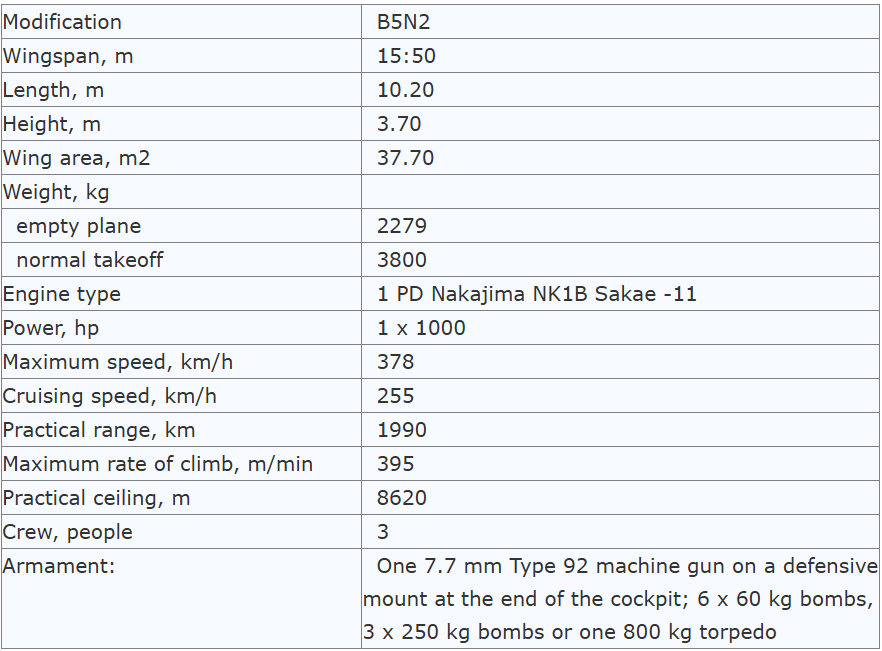
From the start of its service, work on improving the characteristics of the B5N1, as with any military aircraft, continued, and in December 1939 a new model (B5N2) appeared, equipped with a two-row radial 1000-horsepower Nakajima Sakae engine with a smaller cowling.
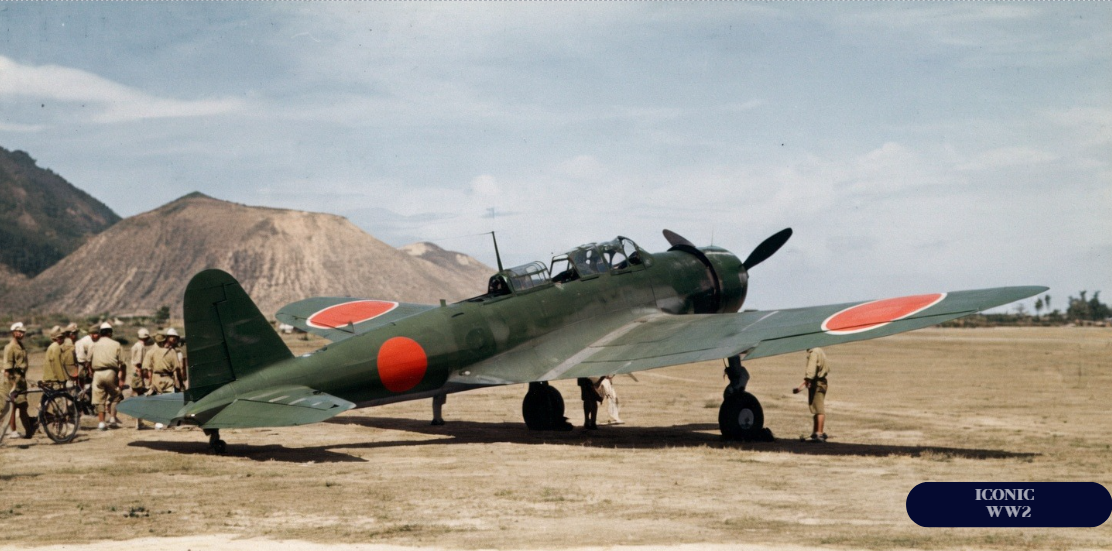
The only other visual design change was the installation of an antenna pylon above the rear cockpit. This new variant was initially known as the Type 97 Model 3 Naval Carrier-Operated Strike Bomber, but was later redesignated the Type 97 Model 12 Naval Carrier-Operated Strike Bomber under the new model designation system. By the outbreak of war in December 1941, it was replacing the early B5N1s in operational squadrons, although both models took part in the attack on Pearl Harbor. Some B5N1s were converted for use as trainers, receiving the designation B5N1-K.
It is interesting to compare the Japanese armament with that of other navies. The trio, A6M2 ("Zero"), D3A1 ("Val") and B5N2 ("Kate"), closely matched the contemporary USN equipment of F4F-3 Wildcat, SBD-3 Dauntless and TBD-1 Devastator; Although, with the possible exception of the Dauntless, the Japanese aircraft had the advantage in performance. The British Fleet Air Arm, after years of neglect, was hopelessly outclassed by its Fulmar, Skua, and Swordfish, which, despite all their remarkable achievements, could not hope to survive the Pacific War. Interestingly, by 1943, to even the balance, the Americans adopted the F6F Hellcat, SB2C Helldiver, and TBF Avenger. However, the Zero was never replaced, and the B5N2, now very slow and vulnerable, remained in combat units until the summer of 1944. Work to replace the B5N2 at Nakajima resulted in the B6N1 Tenzan ("Heavenly Peak"), which was ready for testing in March 1942. It was equipped with a large Nakajima Mamori engine producing 1,870 hp. Vibration problems with this engine forced its replacement with a Mitsubishi Kinsei, and the B6N2 (designated "Jill" by the Americans) did not enter service until the disastrous (for the Japanese) fighting in the Marianas in June 1944. In the subsequent Battle of the Philippine Sea, the Japanese carrier fleet suffered its final crushing defeat, and the remaining carrier-based aircraft were subsequently used only from land bases.
Some remaining B5N2s were equipped with anti-ship radar, with antennas along the forward wing and fuselage sides, and were used on anti-submarine patrols. Other B5N2s were equipped with an airborne magnetic detector known as "Jikitanchiki" for detecting submarines from the air, but the results were poor unless the aircraft flew 9-12 meters above the sea surface. Armament consisted of standard 150-pound (68 kg) or 600-pound (283.5 kg) bombs equipped with delayed-action fuses that could be set to detonate at a predetermined depth. Battle-battered B5N2s were also used for towing gliders and target aircraft until the end of the war.
In total, over 1,200 Nakajima Type 97 carrier-based attack bombers were produced.
The Type 97 naval carrier-based attack bomber made its combat debut in late 1938, when it was used as a land-based aircraft to support the Army in the Hankow area of China.
In the autumn of 1940, under an agreement with the Vichy government, Japanese troops were transferred to French Indochina and a small number of B5N2s operated from French airfields bombing Chiang Kai-shek troops in southern China.
In November 1940, 21 Swordfish sank three Italian battleships in Taranto Bay. The naval attaché at the Japanese embassy in London at the time was Commander Minoru Genda, who was later recalled by Admiral Yamamoto to plan a surprise attack on Pearl Harbor as the best method of disposing of the American fleet as war with the United States became inevitable. Because of the problems with attacking ships in the harbor, the Type 97 carrier-based strike bombers had to be armed with special torpedoes equipped with wooden keels to enable them to operate in shallow waters. Since armor-piercing bombs were not available, 16-inch naval shells with welded-on stabilizers were adapted, each of which was a 800-kg bomb that the B5N2s were supposed to carry for horizontal bombing.
After training in the bay on South Kyushu, the strike group was distributed among six aircraft carriers - "Akagi", "Kaga", "Hiryu", "Soryu", "Zuikaku" and "Shokaku" (Akagi, Kaga, Hiryu, Soryu, Zuikaku and Shokaku). The formation under the command of Admiral Nagumo left Japan and sailed to Tankan Bay in the Kuril Islands between Japan and Alaska. The fleet sailed for the Hawaiian Islands on November 28, 1941, and at dawn on December 7, 1941, a strike force of 353 aircraft left the carriers to strike Pearl Harbor on the island of Oahu. The first wave was led by the commander of the aircraft formation, the 1st Aircraft Carrier Division, Commander Mitsuo Fuchida on a B5N2 with an 800-kilogram bomb. This wave included 50 such bombers, as well as 40 B5Ns with torpedoes, led by Lieutenant Commander Shigeharu Murata. At 7:49, Commander Fuchida sent the signal for his forces to attack, and the Pacific War began. This had actually been preceded by the war in Malaya, which had begun an hour or so earlier with the landing at Kota Bharu, but news of this did not reach Pearl Harbor, and the attack was completely unexpected. The second wave included 54 B5Ns acting as bombers, and at 8:30 the operation was completed. Only five B5N2s were lost in the attack, which destroyed the American battle forces, but more importantly, it missed the aircraft carriers Enterprise and Lexington, which were not in port. The high level of crew training is demonstrated by a 30% direct hit rate for torpedo bombers and 27% for bombers. Nagumo's force then withdrew, but the Hiryu and Soryu took part in the invasion of Wake Island on December 16.
In early 1942, Nagumo's carriers created what could only be described as a hurricane over the Dutch East Indies, raiding land installations and Port Darwin. They sailed to Ceylon where, despite countermeasures from British Hurricanes, Colombo and Trincomalee were bombed, and the light carrier Hermes and the cruisers Dorsetshire and Cornwall were sunk. Type 97 carrier-based strike bombers and Type 99 carrier-based dive bombers participated in all of these attacks.
The first major carrier-to-carrier battle took place on 5-7 May 1942 in the Coral Sea, where Zuikaku, Shokaku, and Shoho supported the landing at Port Moresby and met opposition from the carriers Lexington and Yorktown. Lexington and Shoho were sunk, but the landing was prevented.
Until now, the IJN had operated with virtually no effective counteraction, and confidence was high that the next major strike, the invasion of Midway, would be successful. In addition to capturing the island, a stronghold on the route to Hawaii, they hoped to engage and destroy American aircraft carriers, thereby clearing the way for naval and aerial bombardment of the US West Coast. As planned, the carriers Ryujo and Junyo were to strike the Aleutians, while Akagi, Kaga, Soryu, and Hiryu, accompanied by seven battleships and numerous cruisers, were to attack Midway and the American carriers. On paper, an easy victory over the two American carriers was assured. In reality, the Americans were able to crack the Japanese code and had three carriers. Knowing when and where the attack would occur, they could deploy Enterprise, Hornet, and the quickly repaired Yorktown accordingly.
Early in the morning of July 5, 1942, two waves of B5N2 bombers pounced on Midway's shore installations. The attacks by American shore and carrier-based aircraft were easily repelled by the Japanese. They then prepared to strike the American carriers, but at 4:25 p.m., five Dauntless dive bombers from the carrier Enterprise penetrated their cover, and by the end of the day, all four Japanese carriers had been sunk, at the cost of the carrier Yorktown. After such a crushing defeat, the Japanese retreated, but more important than the loss of aircraft and ships was the loss of over 50% of their trained aircrews. They never recovered.
The focus of the battle then shifted to the Solomon Islands, where the Carrier Battle of the Eastern Solomons took place in September and the Battle of Santa Cruz in October, which was associated with the landings on Guadalcanal. Afterward, the Japanese carriers were so badly damaged and short of aircraft and crews that they were forced to retreat to Truk to rebuild. There were no further carrier battles in 1943, but some B5N2s were used from land bases such as Buin and Kolombangara in the Solomons to strike at the slowly but inexorably advancing Americans.
By 1944, the USN had not only quantitative but also qualitative superiority with its new aircraft, such as the Hellcat and Corsair, developed from studies of captured Japanese aircraft. In June, the USN attacked the Marianas. The initial attack was carried out in conjunction with land-based aircraft, but the attempt to force nine Japanese carriers into a decisive battle culminated in the Battle of the Philippines on June 19. By this time, Type 97 carrier-based strike bombers had replaced Tenzan bombers, and only a dozen B5N2s were committed to the battle, which proved undoubtedly decisive, as the Japanese lost approximately 1,600 aircraft and three carriers. Following the complete failure of traditional attacks on the American fleet, the first kamikaze suicide unit was formed in the Philippines in October 1944, taking part in the Battle of Leyte Gulf.
During the battles for Iwo Jima and Okinawa in February and April 1945, suicide attacks were widely used. The A6M was the most frequently used aircraft for these "special attacks," but virtually every other Japanese aircraft type, including some B5Ns, were used in suicide attacks from Okinawa. Japanese carriers never recovered from their defeat at the Marianas and did not reenter combat until the war ended on August 8, 1945.
Technical description. Manufacturer: Nakajima Hikoki Kabushiki Kaisha in Ota (Gunma Prefecture), Japan. Some parts are produced by Aichi in Nagoya.
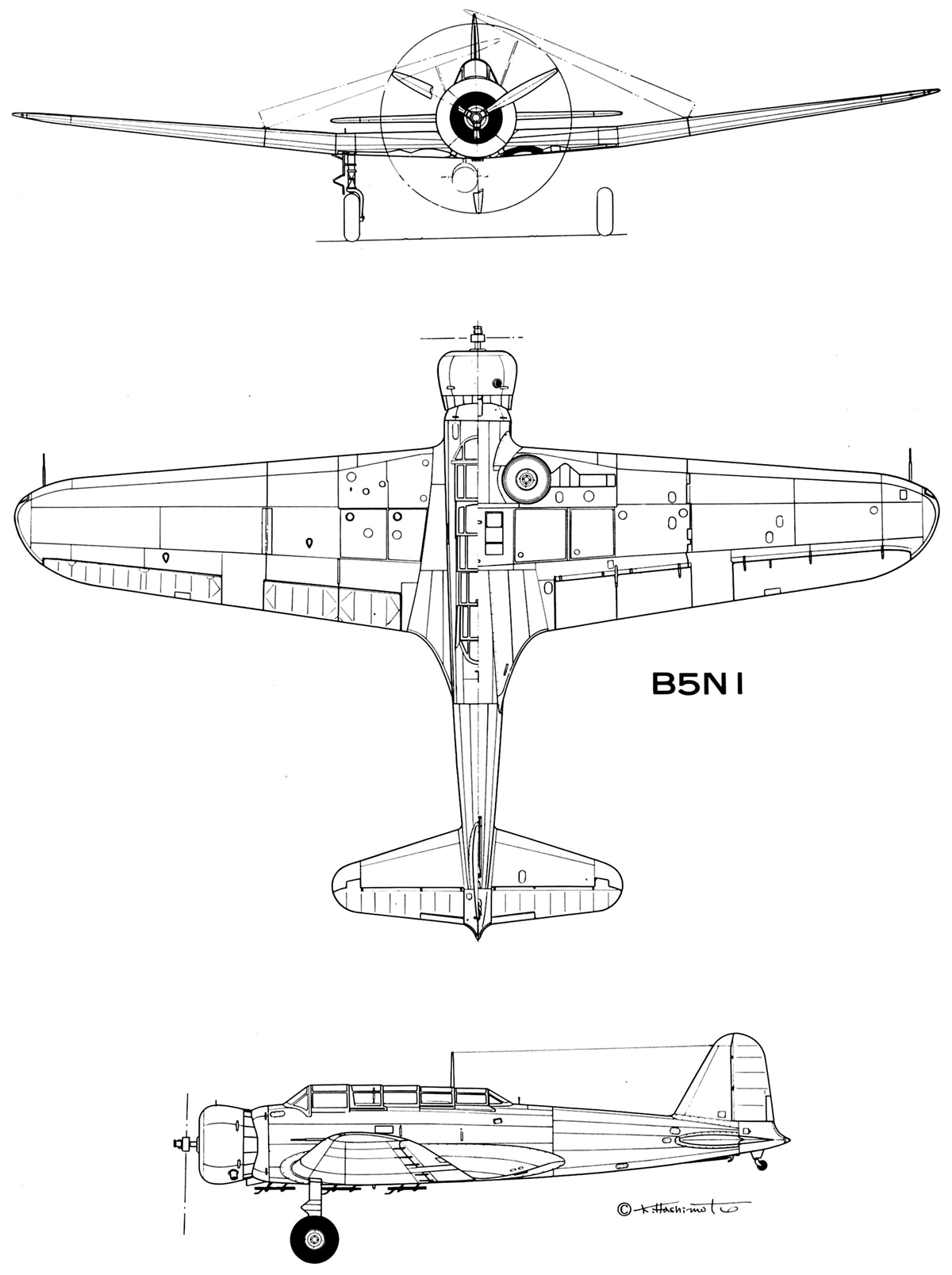
Wing: The two-spar wing featured a manual folding mechanism. The right wing folded first, from the wing's upward bend, so that it lay below the left wing, over the cockpit, and was supported by auxiliary struts on the fuselage. Slotted flaps were located before the wing folding points, and fabric-covered Frise-type ailerons were outboard of them. Integrated fuel tanks, using the upper and lower wing skins, were located between the main and rear spars of the center section and were attached with brackets along the edges.
Landing gear: Hydraulically powered main landing gear, retractable inward toward the longitudinal axis, was mounted on the front spar. Each landing gear had an oil shock absorber and was reinforced by a flexural brace in front of it. When retracted, the wheels were not covered. The tail wheel was non-retractable and cast. A retractable sting-shaped landing hook was mounted forward of the tail wheel.
Fuselage: Metal semi-monocoque with a tubular engine mount. Of the three crew members, only one sat facing the tail. A pair of small doors in the floor of the second crew member opened through the underside of the left wing root for visual aiming during bombing. Early B5N1s had a track behind the wing fairing on the starboard side of the fuselage for the extension of a towed antenna, while later aircraft were equipped with an antenna extending from a strut on top of the cockpit to the top of the vertical stabilizer.
Empennage: The control surfaces had a metal set with fabric covering, and trim tabs were located on both the horizontal and vertical control surfaces.
Armament: a 7.7 mm Type 92 machine gun in the rear cockpit, usually retracted into the fuselage. Interchangeable bomb and torpedo racks could carry six 60 kg bombs, three 250 kg bombs, or one 800 kg torpedo. The torpedo was suspended to the right of the fuselage's longitudinal axis.
B5N Nakajima Bomber