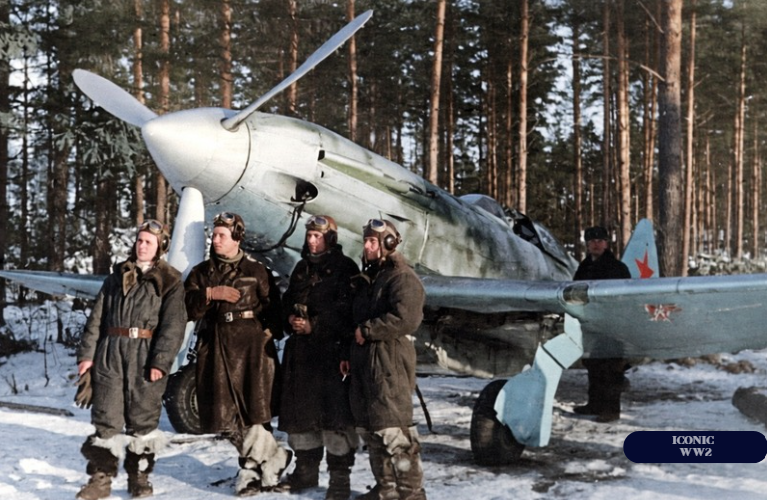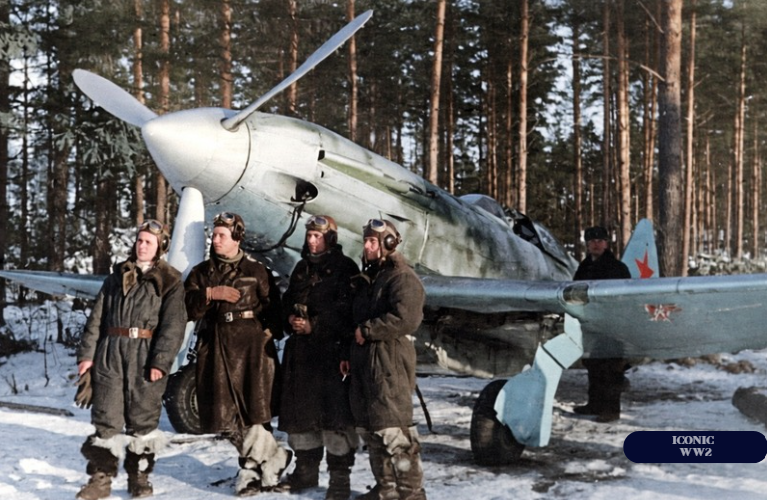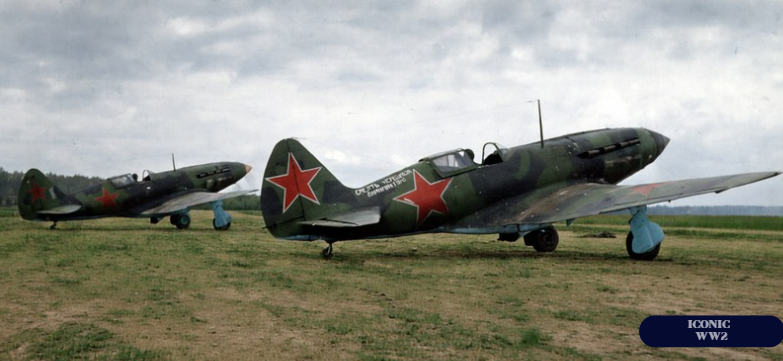
Mikoyan-Gurevich "MiG-3", Fighter
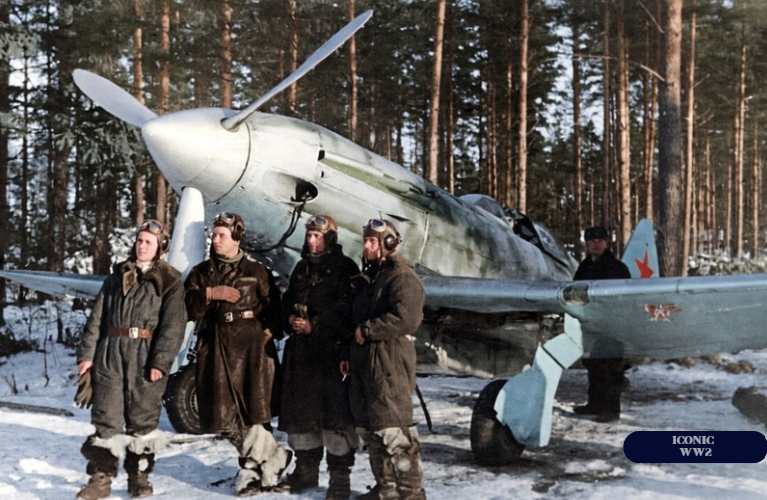
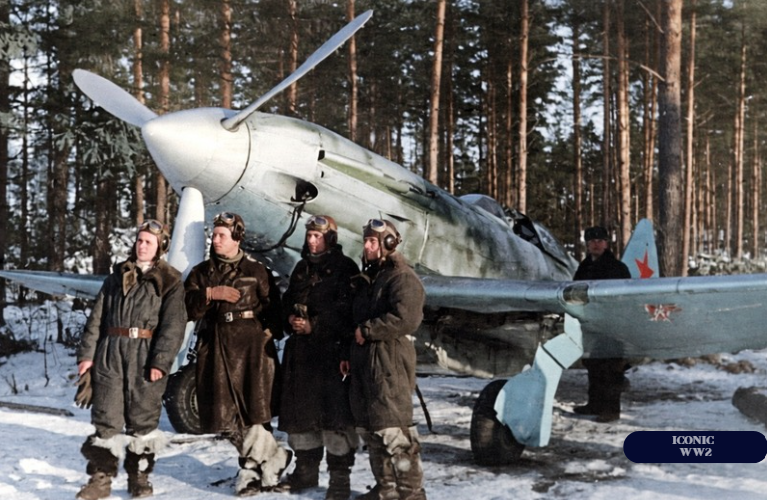
Developer: Mikoyan-Gurevich Design Bureau
Country: USSR
First flight: 1940
Type: Fighter
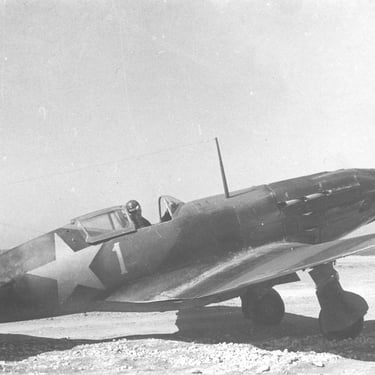
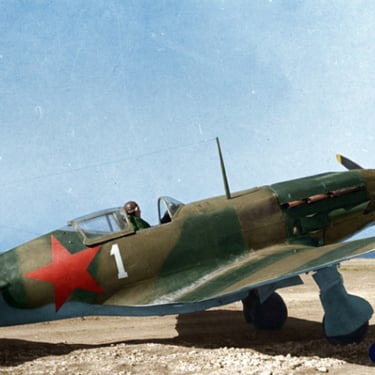
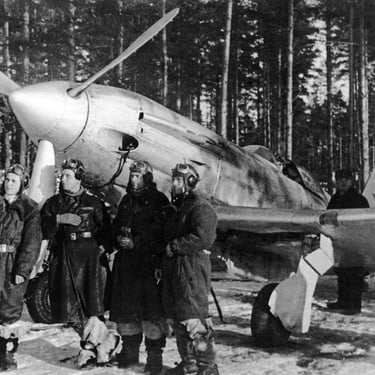
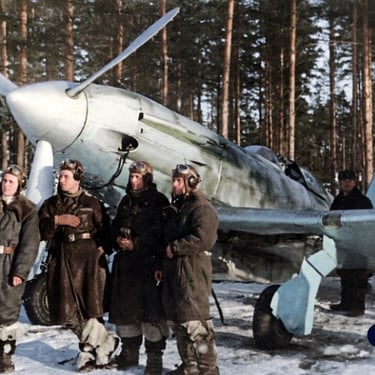
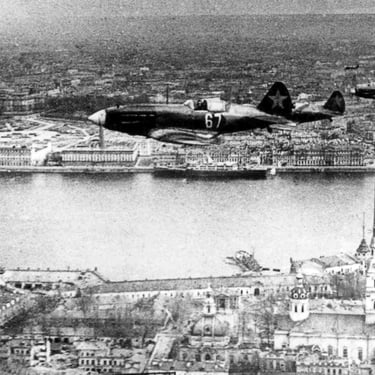
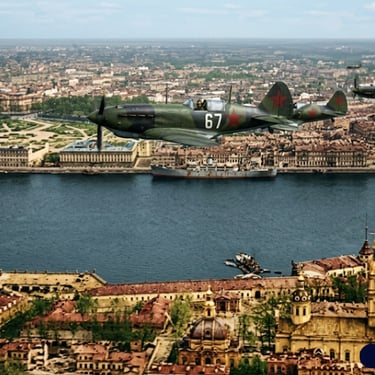
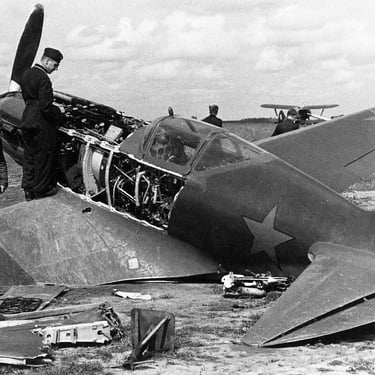
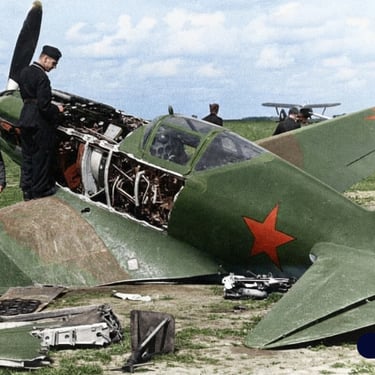
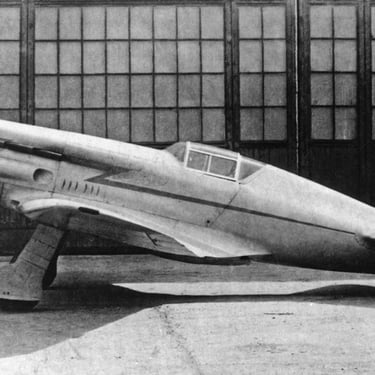
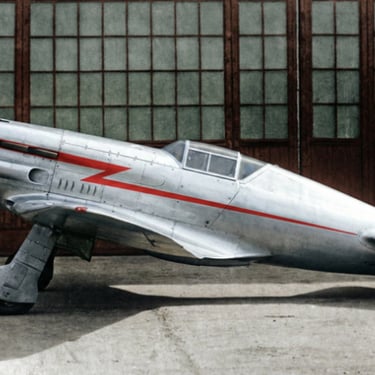
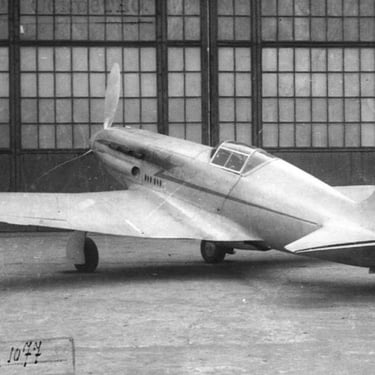
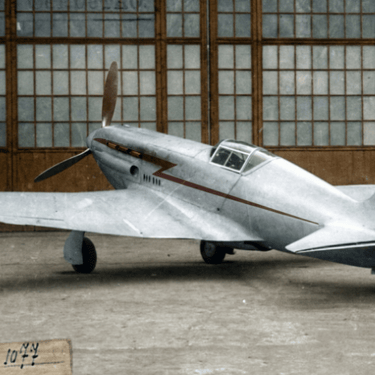
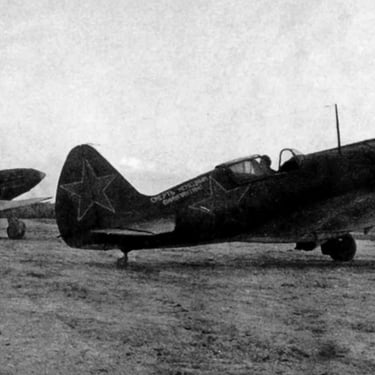
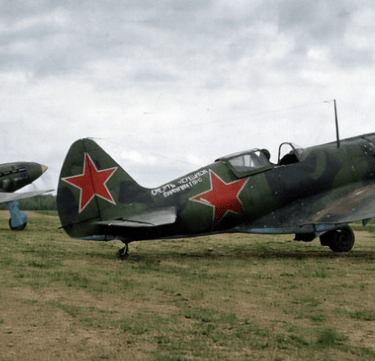
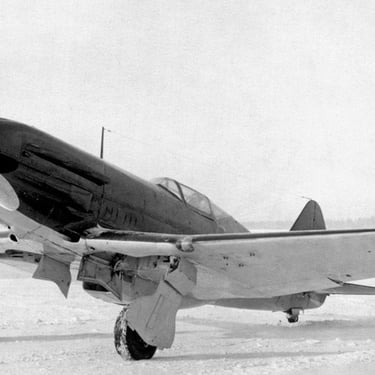
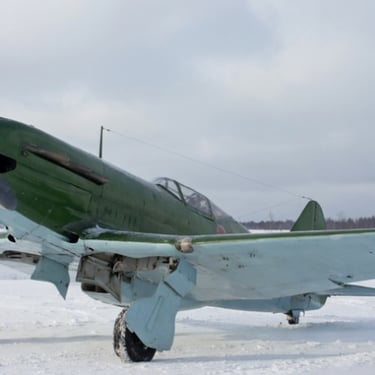
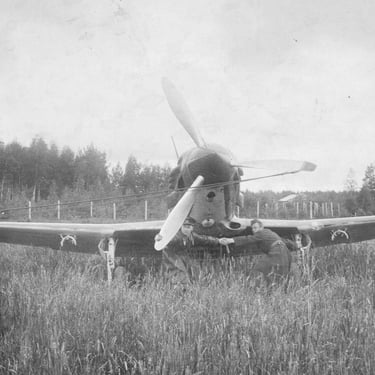
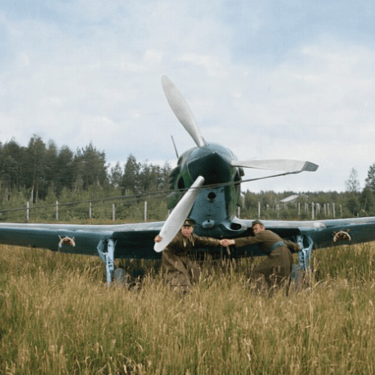
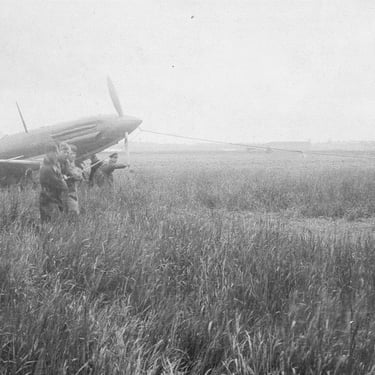
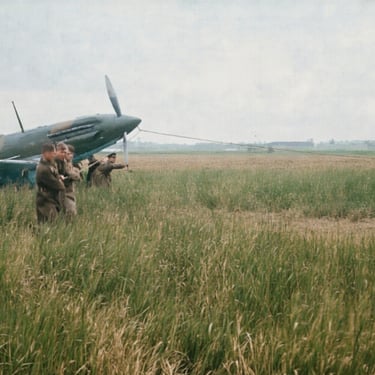
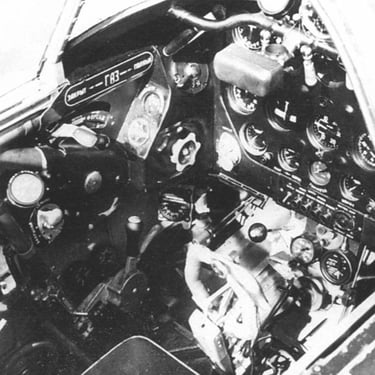
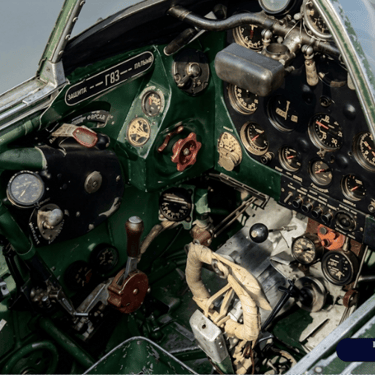
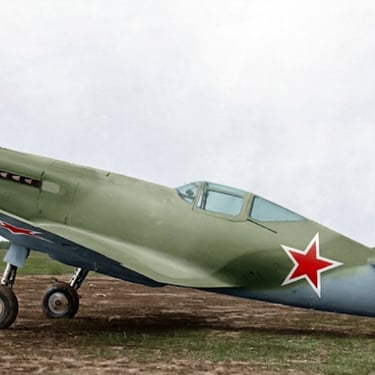
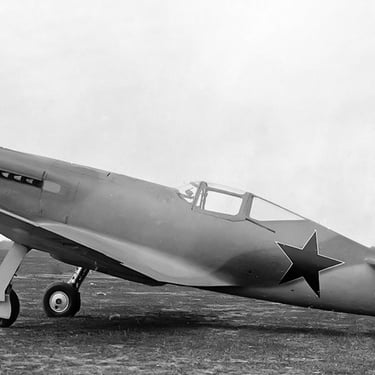
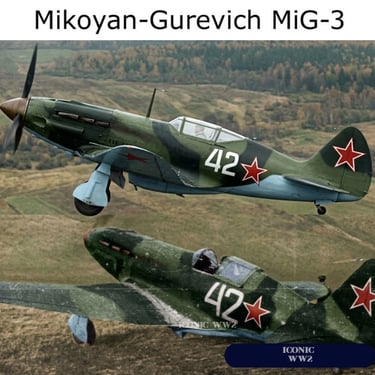
By a decree of the Council of People's Commissars dated October 2, 1940, it was decided to increase the flight range of all fighters introduced into serial production and newly designed. In accordance with this, a range of 1,000 km was established for single-engine aircraft at a speed corresponding to 0.9 times the maximum speed, and for twin-engine escort fighters - no less than 2,000 km at a speed of 0.8 times the maximum speed. Moreover, the specified ranges had to be provided / at the expense of the aircraft's internal fuel reserves. Order No. 521 of the People's Commissariat of the Aviation Industry, issued on the same day, obliged design bureaus to make the necessary design changes to all fighters under design, development, and those introduced into serial production. The same order instructed Plant No. 1 to begin production of the improved modification of the I-200 from December 15, 1940. Also, from December 1940, serial production of the improved modification of the I-200 fighter was planned to begin at Plant No. 21; however, this decision was soon canceled.
In response, work to increase the fuel capacity of the fourth I-200 fighter prototype was carried out in a short timeframe, and the aircraft was submitted for factory testing on October 21, 1940. To increase range, an additional self-sealing 250-liter fuel tank was installed in the fuselage under the cockpit. To maintain the aircraft's center of gravity, the AM-35A engine was moved forward by 100 mm by extending the engine mount.
In addition, the following design improvements were made to the I-200 No. 04 in order to eliminate the shortcomings and comments noted during the state tests of the I-200:
lateral stability has been increased by increasing the wing's transverse V to +6°;
a plate water radiator OP-310 was installed, which was moved forward slightly due to the installation of an additional fuel tank;
Due to the increased weight of the aircraft, wheels measuring 650x200 were installed;
to improve cross-country ability, the lower flaps that cover the main landing gear wheels when retracted have been moved to the center section;
The center-section tanks are protected.
The first flight of I-200 No. 04 took place on October 29, 1940, piloted by test pilot A. N. Yekatov. At the end of November, the decision was made to send the fighter south for joint trials with the Air Force Research Institute. Meanwhile, the introduction of the new modification into production was in full swing, and by December 20, the MiG-3 (the improved I-200 fighter (from aircraft No. 2101) was officially designated MiG-3 in accordance with NKAP Order No. 704 of December 9, 1940) completely replaced the MiG-1 in serial production. By the end of the year, Aviakhim Plant No. 1 had produced 20 MiG-3 aircraft. By order of the People's Commissariat of the Aviation Industry No. 702 of December 9, 1940, a program for the production of MiG-3 fighters for 1941 was established. In accordance with it, the plant was to ensure the production of 3,500 aircraft; in addition, it was planned to begin serial production of the MiG-3 at plant No. 43 (Order of the People's Commissariat of the Aviation Industry No. 709 of December 10, 1940) in Kyiv with the production of 100 aircraft in 1941.
Testing of the experimental MiG-3 fighter ceased in March 1941, as two production MiG-3 aircraft, Nos. 2107 and 2115, manufactured in December 1940, underwent state trials from January 27 to February 26. According to the test program for the latter, the military was required to evaluate the production aircraft against the MiG-1 in terms of design changes to eliminate defects, improve flight performance, and improve operational efficiency. Flight characteristics were also to be determined, stability and spin properties of the aircraft assessed, and armament and special equipment tested. Pilots Captain A.G. Proshakov and Military Engineer 2nd Rank A.G. Kochetkov were assigned to conduct the tests.
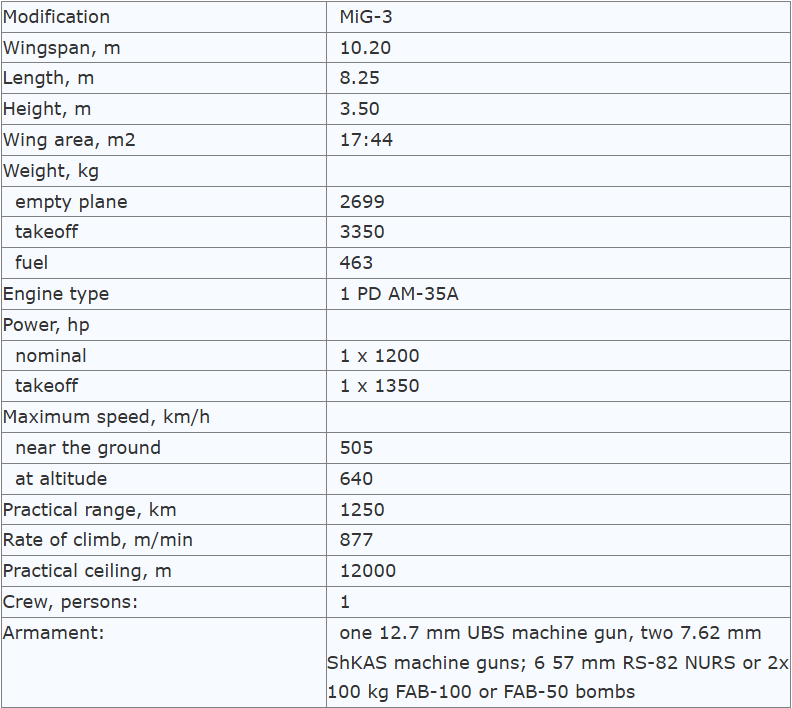
As a result of all the modifications, the aircraft's takeoff weight increased from 3,100 kg to 3,355 kg, which inevitably impacted its performance. However, the maximum horizontal speed of the production MiG-3, achieved at an altitude of 7,800 m, was 640 km/h, which was almost identical to the I-200 prototype (636 km/h). However, the fighter's rate of climb deteriorated, and it took the aircraft 1.71 minutes longer to climb to 8,000 m.
According to pilots, the stability margin during gliding with the control stick held down remained virtually the same, but decreased slightly during climb. The spin with incomplete control inputs at all operational center of gravity positions was the same as that of the I-200 prototype aircraft; that is, after two turns and a full rudder pullout, the MiG-3 recovered without delay. The technique for performing aerobatic maneuvers was virtually identical to that of the MiG-1; however, the high aileron loads and insufficient stability, leading to high G-forces during aerobatics, quickly fatigued the pilot.
The MiG-3 fighter's small arms hardware and automation operated reliably. There was not a single instance of delay due to the installation or its components (feed paths, cartridge cases, and link drives). The pneumatic reloading and trigger system for the machine guns were easy to operate and had no malfunctions. There were also virtually no complaints regarding the bombardment armament.
The range of reliable reception of the RSI-3 radio station was 150 km, which exceeded that of the experimental I-200 aircraft.
During both the I-200 prototype tests and the MiG-3 state trials, it was noted that the VISh-22E propeller was poorly chosen. The insufficient blade rotation range (20°) resulted in the propeller spinning above the engine's permissible RPM, even when diving at 50°-60°, which could lead to engine failure. Therefore, Plant No. 1 was instructed to select a new propeller with a wider blade rotation range. The AM-35A engine's poor throttle response also caused dissatisfaction among testers.
The MiG-3's range was tested along the Chkalovskaya-Seyma-Chkalovskaya-Moscow (Central Airfield)-Chkalovskaya route, a total distance of 710 km, at an altitude of 7,860 m, at a speed of 574 km/h (0.9 of maximum) and an engine speed of 1,950 rpm. The altitude corrector was not used, as the AM-35A engine operating instructions, issued by Plant No. 24, prohibited this at altitudes below 8,000 m.
On February 22, 1941, after the first flight of MiG-3 No. 2115, it was discovered that of the total fuel capacity of 463 kg, 84 kg remained in the tanks (34 kg of which was unusable due to a design defect). Taking into account the remaining fuel in the forward fuselage tank (50 kg), the flight range was 820 km.
To verify the obtained range, on March 17, 1941, MiG-3 No. 2107 performed a fuel burn-up test flight over the airfield at the calculated altitude and the same speed, but with an engine speed of 1850 rpm. The next day, the flight was repeated under the same conditions. As a result, 90 kg of the 463 kg of fuel remained, of which 26 kg was unburnable. Thus, taking into account the remaining 64 kg, the second aircraft's range was 857 kg.
According to testers, the reduction in range was primarily due to a 10-15% increase in specific fuel consumption compared to the consumption previously guaranteed by Plant No. 24 and incomplete fuel depletion in the tanks. Therefore, the resulting range was 143-180 km shorter than that specified by the Council of People's Commissars' Resolution. Therefore, the military proposed to the People's Commissariat of Aviation Industry (NKAP) to increase it to 1,000 km.
However, Factory No. 1 disagreed with these MiG-3 range test results. In a report sent on April 4, 1941, to People's Commissar of the Aviation Industry A.I. Shakhurin, Chief Designer A.I. Mikoyan and his deputy M.I. Gurevich reported that, according to calculations, even assuming an increased fuel consumption of 0.460 kg/km, the range should be at least 1010 km. Meanwhile, joint tests of the MiG-3 aircraft with the Air Force Research Institute in Kacha yielded a fuel consumption of 0.380 kg/km. During state tests, it reached 0.480 kg/km. A.I. Mikoyan and M.I. Gurevich explained this by the fact that the military did not use an altitude corrector during testing, and, in addition, the engine's fuel consumption was excessively high.
Tests conducted by Plant No. 1 on two serial MiG-3 fighters, No. 2592 and No. 2597, on April 19 confirmed these calculations. The first MiG-3, No. 2592, carried 464.3 kg of fuel before takeoff, and after the flight, the remaining fuel was 60.3 kg. The flight took place at an altitude of 7,300 m, at a speed of 575 km/h, over a distance of 1,100 km, with an engine speed of 1,920 rpm. The aircraft flew 1,015 km, not including climb or gliding. After processing the test results, it was determined that its actual range is 1,180 km, and with takeoff and landing along the route, 1,265 km.
The second MiG-3 aircraft, No. 2597, had 469.5 kg of fuel before takeoff, and after the flight, the remaining fuel was 86.6 kg. The flight took place at an altitude of 7,280 m, at a speed of 574 km/h, along a 970-kilometer route, with an engine speed of 1,850 rpm. The aircraft flew 790 km, not including climb or gliding. Test results showed that its range was 1,015 km, and including takeoff and landing along the route, 1,195 km.
However, the 1,000-kilometer milestone proved tragic for both the Air Force and the People's Commissariat of Defense. In accordance with an order from the People's Commissariat of Defense dated May 31, 1941, the head of the Air Force Research Institute, Major General of Aviation A.I. Filin, was court-martialed and subsequently executed. Furthermore, the Air Force Research Institute's chief of staff, as well as many department heads and leading engineers, were dismissed for incompetence. All were groundlessly accused of sabotage and hindering the introduction of new aircraft technology. Specifically, the order stated that testing of new aircraft, including the MiG-3, was being conducted improperly.
Prior to this, on March 13, 1941, during long-range testing of MiG-3 No. 2147 in Kacha, the veteran test pilot, A.N. Yekatov, died. While determining the rate of climb and maximum speeds at altitude, while measuring fuel consumption, the crash occurred. An investigation revealed that the cause was the mid-air failure of the AM-35A engine supercharger impeller during climb, causing the fighter to experience a sharp impact. The pilot struck his head, lost consciousness, and remained unconscious until the aircraft impacted the ground. It is worth noting that an insufficient safety margin for the supercharger impeller was also discovered during state testing of the MiG-3. At nominal engine speed (2050 rpm), it was 26%, while at maximum permissible speed (2350 rpm), it was only 6%. Furthermore, the impeller material (AK-1 alloy) was not particularly fatigue-resistant. Therefore, the military demanded that Plant No. 24 resolve this issue as quickly as possible.
As time has shown, the desire to increase the range of fighters to 1,000 km proved to be a rather unnecessary undertaking, as the aircraft's weight increased, and their flight and handling characteristics naturally declined. This is precisely what the creators of the MiG-3 and LaGG-3 faced as they sought to fulfill orders from above, especially in harsh times. Similar work was not carried out on the production Yak-1 fighter, despite NKAP Order No. 521 of October 2, 1940, requiring all design bureaus to increase the range of their fighters. As a result, its flight and handling characteristics were not affected. The only aircraft on which the A.S. Yakovlev Design Bureau increased the fuel capacity from 305 kg (for the Yak-1) to 385 kg to ensure the required range was the I-30 prototype, which remained in development.
Meanwhile, NKAP Order No. 322 of April 12, 1941, ordered Plant No. 1 to increase daily production of MiG-3 fighters to 20 aircraft, beginning in August. Thus, the MiG-3 production program for 1941 increased to 4,295 aircraft. During serial production, the MiG-3 fighter was continuously improved based on ongoing testing and wind tunnel testing in the T-101 TsAGI facility.
To improve stability and flight safety, the MiG-3 was produced with a rear fuel tank reduced to 140 liters starting May 10th. Tests of a production aircraft with five firing points conducted at Plant No. 1 on May 21st showed that the range, including climb and gliding, was 940 km. A few days earlier, the Air Force Research Institute evaluated the handling qualities of MiG-3 No. 2859 with a reduced fuel capacity. According to the military, piloting techniques during takeoff, turns, and landing were significantly simplified. The takeoff run was also reduced, and the aircraft's stability during climb improved somewhat. The MiG-3 also became more stable during turns, and turn time was reduced by 2-3 seconds.
On July 10, automatic slats were introduced into production, significantly improving spin performance. Furthermore, in the second half of 1941, MiG-3 aircraft received the AM-35A engine with a 0.732 gear ratio (instead of 0.902) and an AV-5L-123 propeller with a 30° blade rotation range (instead of the VISh-22E), a canopy with armored glass, external fuel tanks, and a system for filling the fuel tanks with inert gas. Ailerons with increased compensation of 26% and a horizontal tail with a 63% stabilizer and 37% elevator area distribution were also introduced into the series. All these measures also improved the flight and operational characteristics of the MiG-3 fighter, as well as increased its survivability.
Furthermore, taking into account the feedback from combat units regarding the unsatisfactory design of the cowlings with "Dzus" locks and the difficulty of their operation, a new cowling with clamping locks, similar to that of the Bf-109 fighter, which was introduced on MiG-3 aircraft starting with the 16th series, was developed on aircraft No. 2554. At the same time, to prevent sand and dust from entering the supercharger intake pipes, automatic flaps were installed on them; these opened and closed when the landing gear was retracted and extended.
It's worth noting that in August 1941, TsAGI proposed installing wing panels with trapezoidal tips on the MiG-3 fighter. This was intended to reduce the aircraft's landing speed by 4-5 km/h. It also allowed for increased brake flaps. However, this measure required significant modifications to the flight benches, which was unacceptable in a wartime environment. Furthermore, the 4-5 km/h speed was within the accuracy limits of flight tests and could simply not be detected during flight testing.
During serial production, the MiG-3's armament was also constantly improved. Beginning on February 20, 1941, Factory No. 1 began producing MiG-3 aircraft with five gun emplacements. Two additional BK machine guns with 145 rounds each were mounted under the wings. However, due to a shortage of BK machine guns, Factory No. 1, on orders from the People's Commissariat of the Aircraft Industry, was forced to frequently transfer them to other aircraft factories. Furthermore, the aircraft's significantly increased weight led to a further reduction in its flight performance. Consequently, production of the MiG-3 with five gun emplacements was limited to 821 aircraft, and the BK machine guns were subsequently removed from all subsequent fighters.
To improve the combat effectiveness of the MiG-3 fighter, in accordance with NKAP Order No. 752 of July 27, 1941, Plant No. 1 was required to switch to producing aircraft with three firing points, comprising two BS and one ShKAS. Three variants were tested during small arms development: the first with two BS and two ShKAS machine guns, the second with two BS and one ShKAS, and the third with two BS. Based on the test results, the two-point version of the MiG-3 was launched into production on September 20, 1941, starting with 151 Batch 27 aircraft. The addition of the ShKAS machine gun increased the BS ammunition load from 300 to 700 rounds. Before the evacuation began, 315 aircraft armed with two BS machine guns were manufactured, in addition, 215 of them were equipped with two triple ZROB-82 launchers for firing ROS-82 rockets.
Also, in collaboration with NII-13 and the Design Bureau of Plant No. 235, the feasibility of installing two synchronized cannons on MiG-1 and MiG-3 fighters was tested as early as late 1940. After studying the designs of all 20mm and 23mm aircraft cannons, the ShVAK cannon was selected on NII-13's recommendation as the most widely used by industry. However, the outbreak of war and subsequent evacuation prevented the MiG from being armed further in 1941.
By order of the People's Commissariat of the Aviation Industry No. 648 of July 9, 1941, in order to create a backup production of the MiG-3, it was decided to transfer Plant No. 122, which was being built in Kuibyshev, to the jurisdiction of the 1st Main Directorate of the People's Commissariat of the Aviation Industry and to immediately begin organizing it and preparing for the production of MiG-3 fighters. But already on July 22, 1941, by order of the People's Commissariat of the Aviation Industry No. 729, in order to protect aircraft factories from aerial bombing, it was prescribed to immediately begin the transfer of equipment and personnel from a number of aircraft factories, including Plant No. 1, deep into the country. In connection with the complicated situation on the approaches to Moscow, by Resolution of the State Defense Committee No. 741 of October 8, 1941 and the following day's order of the People's Commissariat of the Aviation Industry No. 1053, the directors of the factories were ordered to immediately begin evacuation. In connection with this, in October 1941, Plant No. 1 named after Stalin was evacuated to Kuibyshev, to the site of Plant No. 122. MiG-3 production was also transferred there first.
However, by this time, the Air Force possessed three types of fighters, and a distinct shortage of attack aircraft. Considering that the MiG-3's main problems stemmed from the underdeveloped AM-35A engine, and that it was produced by the same aircraft engine plant that built the AM-38 engines for the Il-2, production of the fighter was abandoned. As a result, following Stalin's infamous telegram of December 23, 1941, MiG-3 production ceased, and Plant No. 1 switched to Il-2 production. Only 22 MiG-3 aircraft were produced during the evacuation, and these were armed with two synchronized ShVAK cannons.
After returning from evacuation to Moscow in April 1942, the newly organized Experimental Plant No. 155 (OKB-155), headed by A.I. Mikoyan, assembled another 30 MiG-3 aircraft from the stock of units and finished products received from Plants No. 1 and No. 30. These were subsequently transferred to the Air Force (27 aircraft) and Naval Aviation (3 aircraft). All fighters were also armed with two synchronized ShVAK cannons. The installation of synchronized ShVAK cannons had been preliminarily tested on MiG-3 aircraft No. 6005, which had passed factory tests in April 1942. In addition, two more MiG-3 aircraft, which had arrived for overhaul, were re-equipped with ShVAK cannons.
A total of 3,172 MiG-3 fighters were built between 1940 and 1942 by Serial Plant No. 1 and Pilot Plant No. 155. The aircraft's high degree of standardization and maintainability ensured their long service life after serial production ceased. Technically, Air Force and Navy units managed to assemble one combat-ready MiG-3 from two or three damaged ones. The last MiG-3s were written off due to wear and tear at the very end of the war.
By mid-1941, the Aviahim Plant No. 1's Design Bureau had developed the AFA-I camera mount for the MiG-3 fighter. In accordance with NKAP Order No. 608 of July 3, 1941, the plant was instructed to complete production of one photoreconnaissance aircraft that same day, and three more by July 5. The AFA-I mount was installed on four production fighters, which were then delivered to military units for testing. Based on feedback from line pilots, changes were made to the drawings, and a fifth photoreconnaissance aircraft was refitted, which, after testing, was approved by the Air Force Research Institute.
In 1943, the Air Force Research Institute lightened two MiG-3 fighters to increase their service ceiling. One of the aircraft underwent the maximum possible lightening, resulting in a 187 kg (400 lb) reduction in takeoff weight to 3,098 kg (6,700 lb). This MiG-3's service ceiling increased to 11,750 m (3,700 ft).
On September 12, 1940, Senior Military Representative, Military Engineer 2nd Rank Frantsev, sent the director of Aviakhim Plant No. 1 a list of the Red Army Air Forces' Main Directorate's requirements for the contract for the second half of the year. Among the Air Force's other requirements for the I-153 and I-200 aircraft, including modernization and the elimination of identified deficiencies, the plant was to install a pressurized cabin on one I-200 fighter and submit it for state testing at the Air Force Research Institute. It was also ordered to produce a series of 10 I-153 aircraft with pressurized cabins.
The task of developing a pressurized cockpit for the MiG-3 was assigned to A. Ya. Shcherbakov, chief designer of Plant No. 482. Three pressurized cockpit variants were developed in 1941. However, the heavy workload of Plant No. 1, the outbreak of war, and the subsequent evacuation prevented the project from being realized.
Following the successful early-war use by the Navy of a composite dive bomber (SPB) consisting of a TB-3 carrier aircraft and two I-16 fighters, each carrying two FAB-250 bombs, the People's Commissariat of the Aviation Industry (NKAP) was asked to consider developing a similar system based on new aircraft. Specifically, it was proposed to consider the option of mounting two MiG-3 fighters, each carrying two FAB-250 bombs, under the wingtips of a TB-7 (Pe-8) bomber.
After preliminary calculations conducted at Factory No. 124, it was determined that the TB-7 (Pe-8)'s dimensions and size were sufficient to accommodate two MiG-3 bomb-carrying aircraft under its wing. However, in addition to installing two fighter-carrying booms, two ribs in their locations needed to be reinforced. However, the project was never realized due to Factory No. 124's heavy workload and the decision to abandon the conversion.
SPB estimated data: maximum takeoff weight - 33,500 kg, maximum flight speed with an average flight weight of 30,000 kg and all six engines (TB-7 and MiG-3) operating at nominal mode - 405-420 km / h (Here and below the first figure is for the Pe-8 with M-40 engines, the second - with AM-35A), service ceiling - 8900-8700 m, flight range at an altitude of 5000-6000 m taking into account the fighters' supply from the bomber's tanks - 1320-1450 km, flight endurance 4.5-5 hours.
In 1941, designer A.A. Senkov proposed installing an additional sail-like wing on the MiG-3 fighter, deployable before landing. This device was intended to reduce the aircraft's landing speed. However, according to TsAGI, the additional canvas wing made the MiG-3 fighter a very poor biplane and a flawed monoplane. Considering that installing the sail-like wing increased the aircraft's weight by 250 kg, not only was it impossible to expect a reduction in landing speed, but it would also degrade the existing landing characteristics. Furthermore, the sail-like wing could not be retracted, which would have caused numerous problems in the event of a go-around. Therefore, the proposal was deemed unsound and abandoned.
Mikoyan-Gurevich "MiG-3", Fighter