Macchi "MC.200 Saetta", Fighter
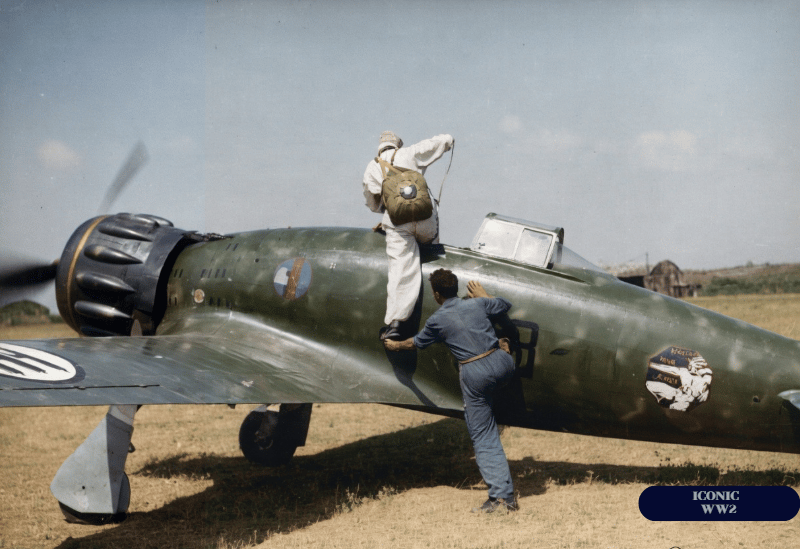
Developer: Macchi
Country: Italy
First flight: 1937
Type: Fighter aircraft
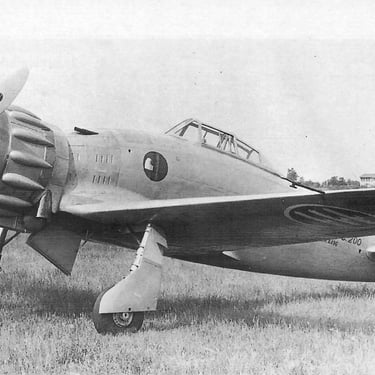
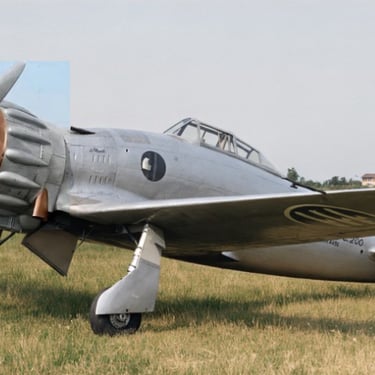
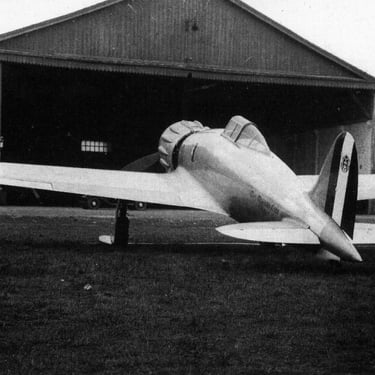
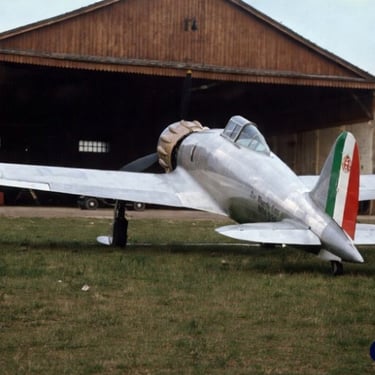
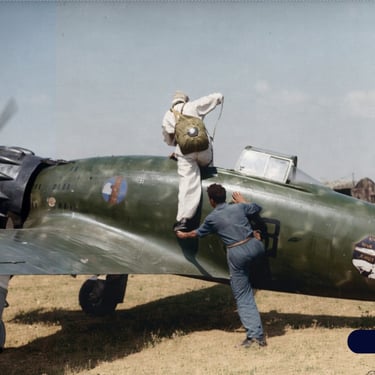
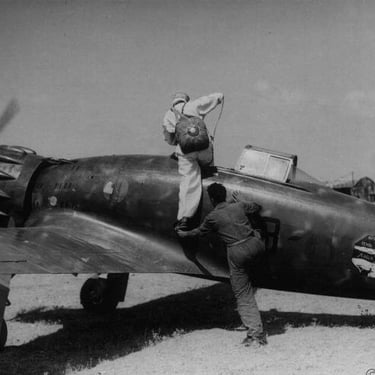
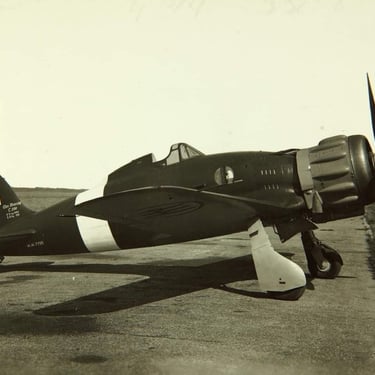
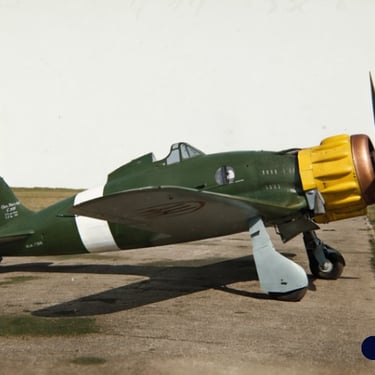
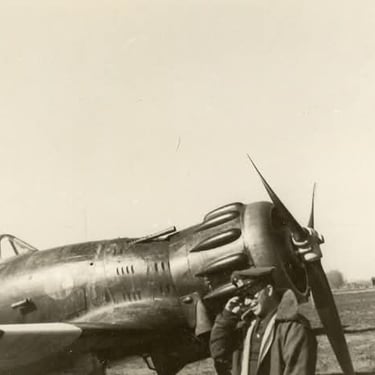
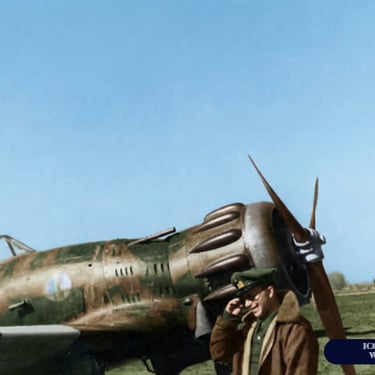
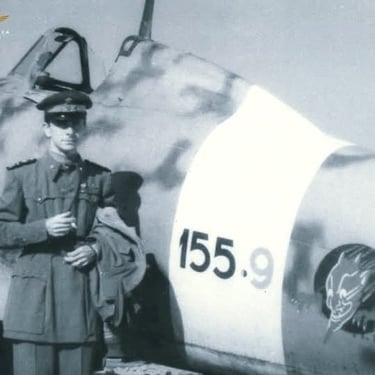
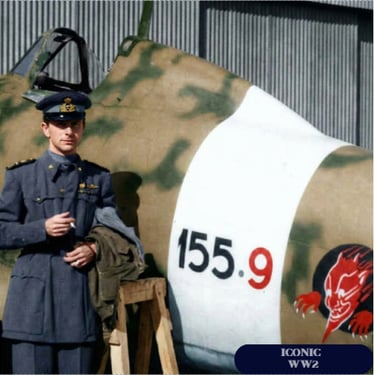
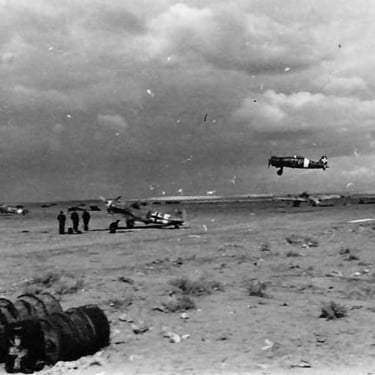
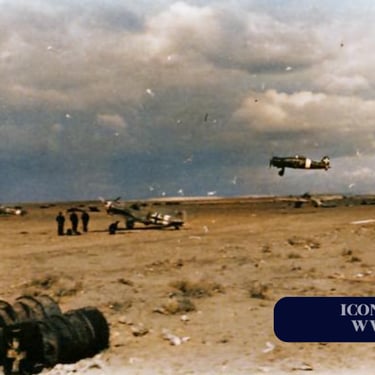
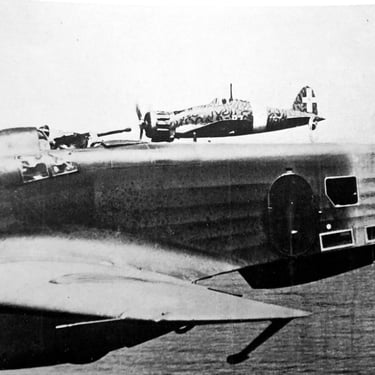
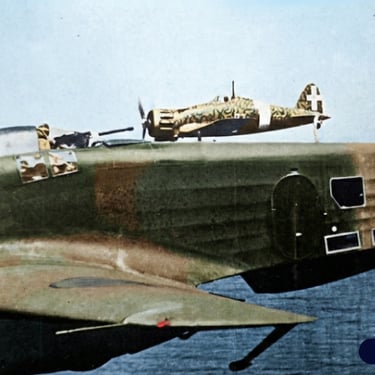
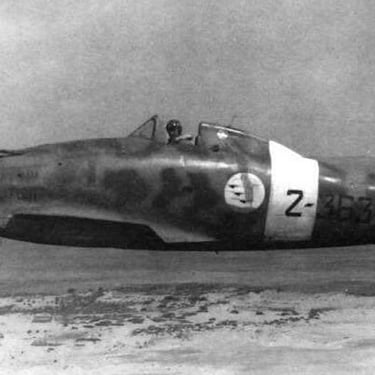
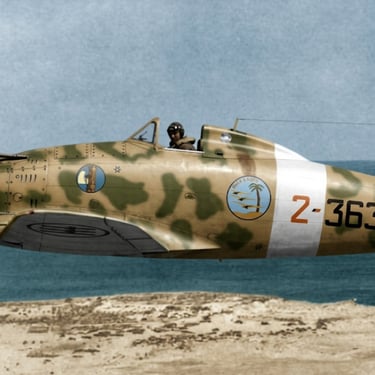
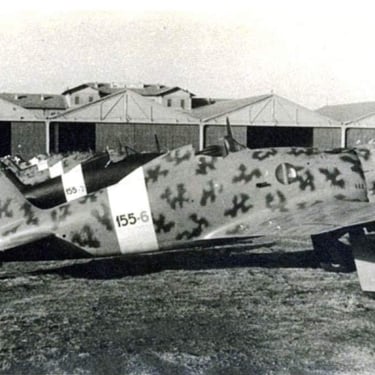
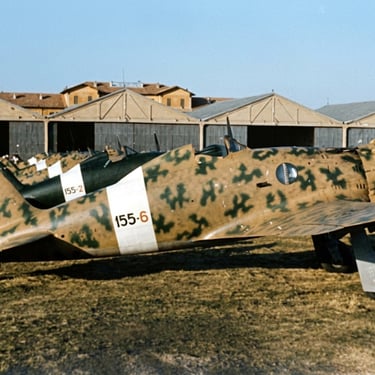
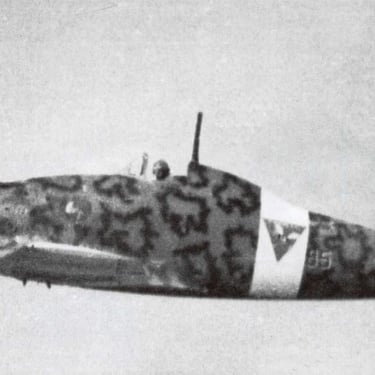
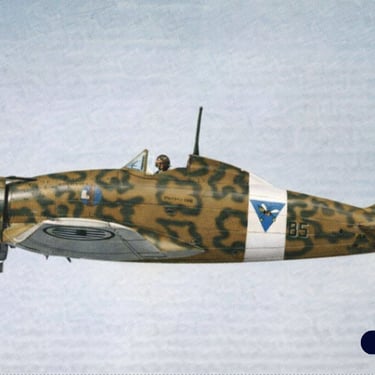
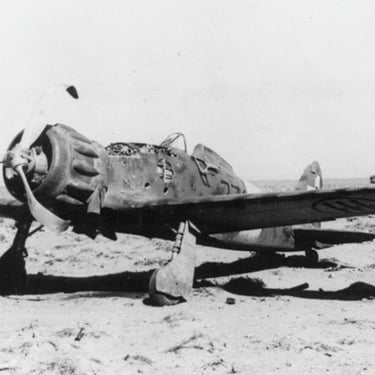
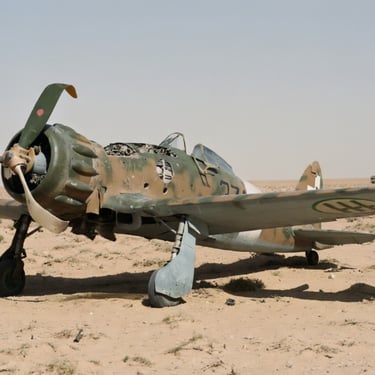
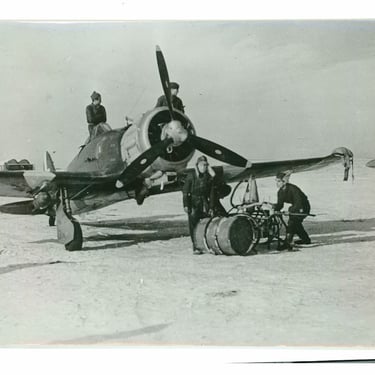
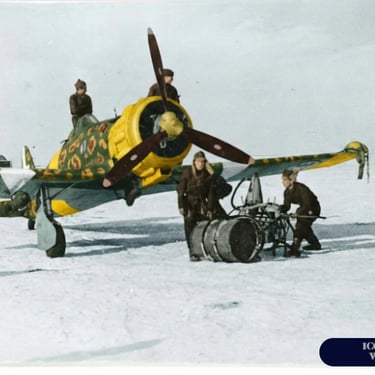
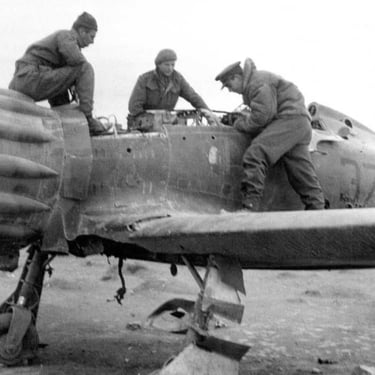
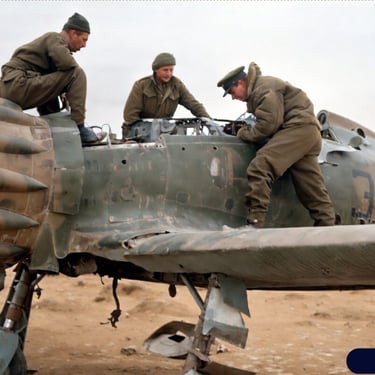
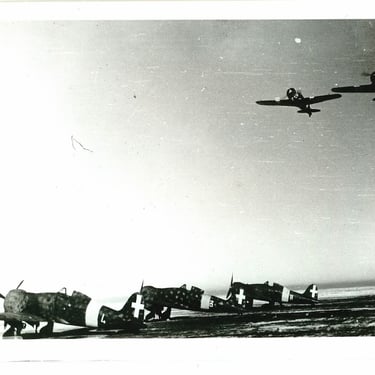
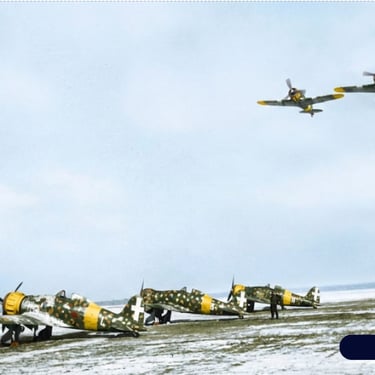
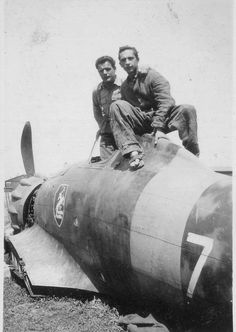
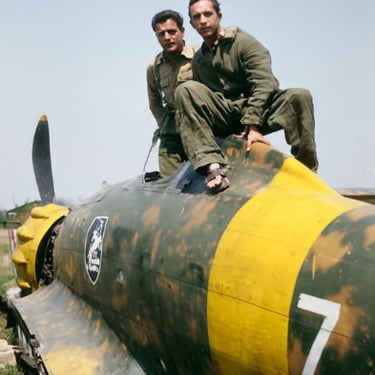
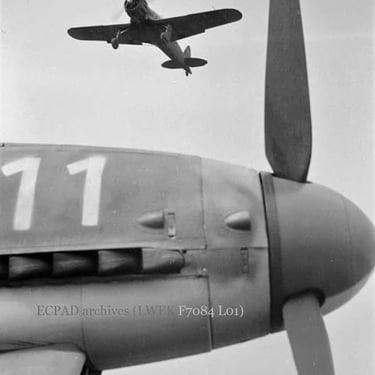
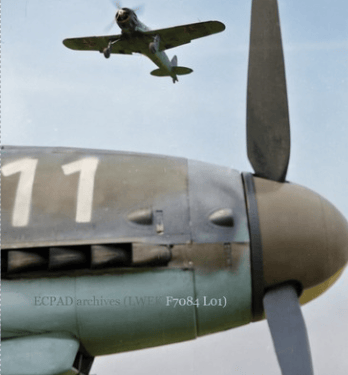
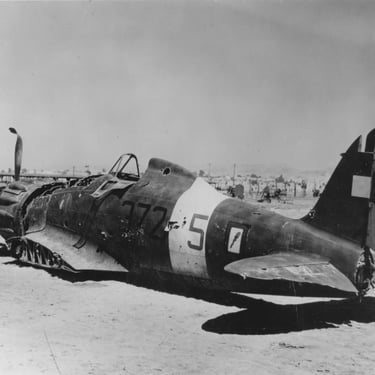
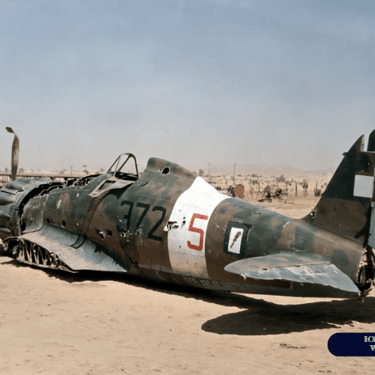
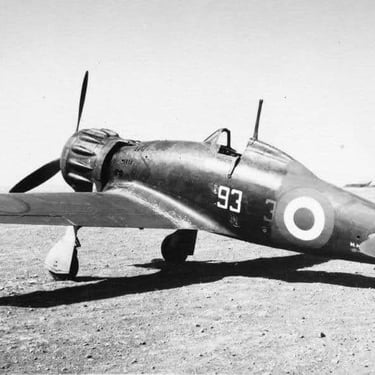
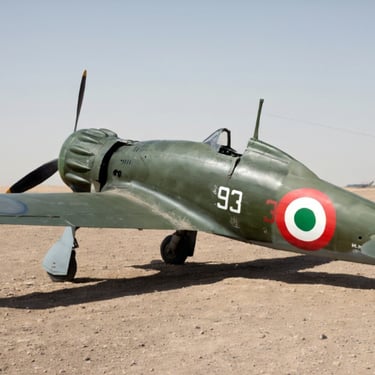
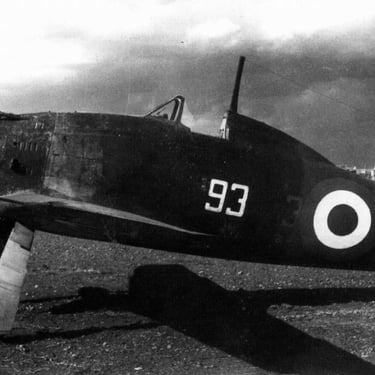
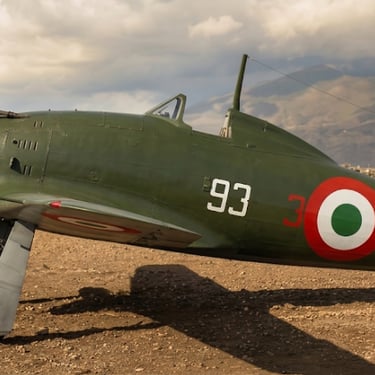
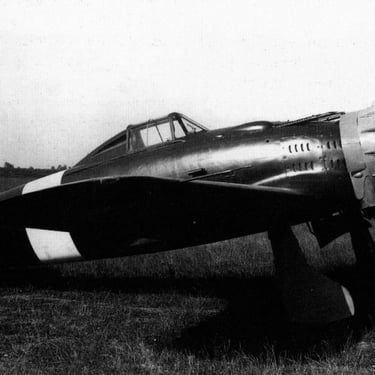
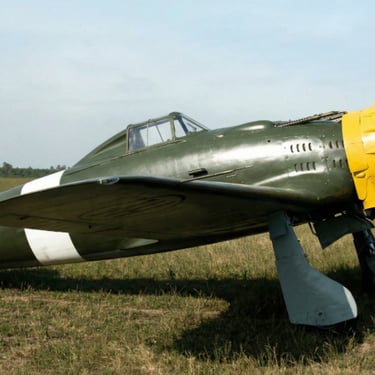
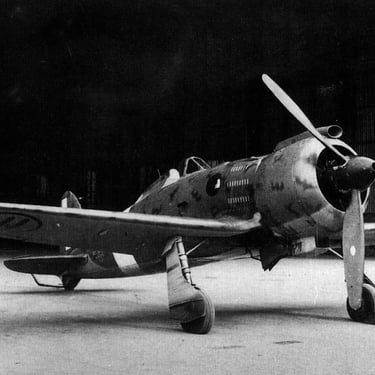
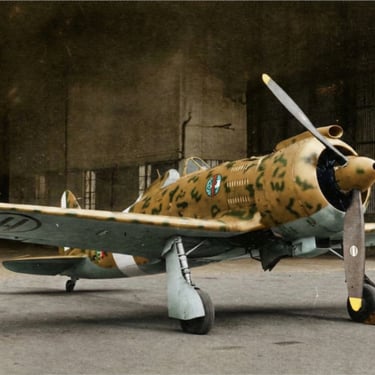
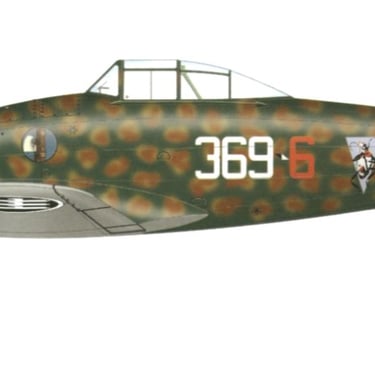
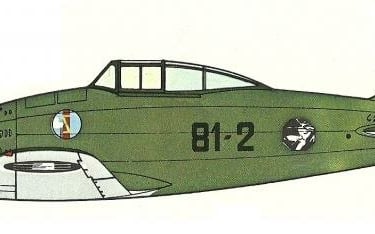
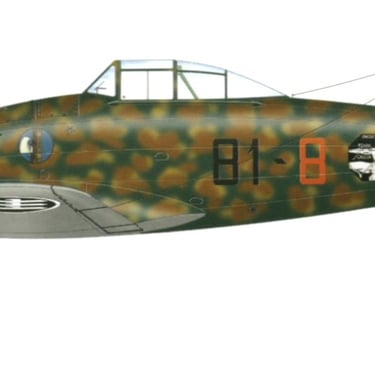
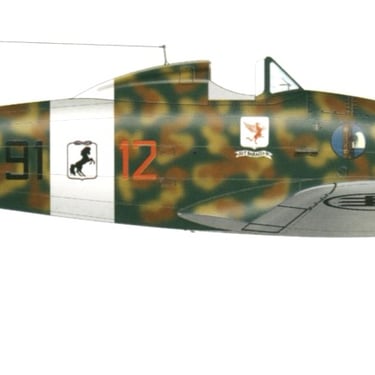
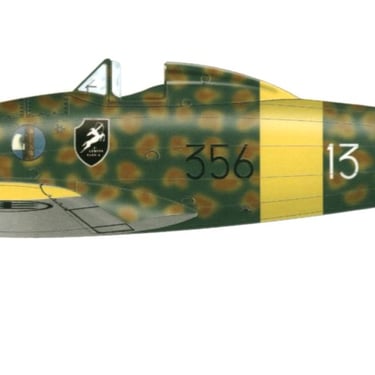
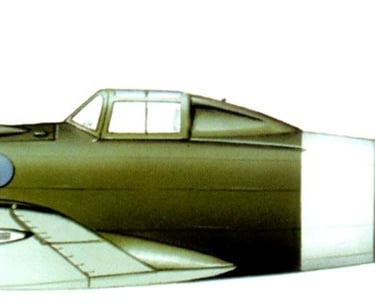
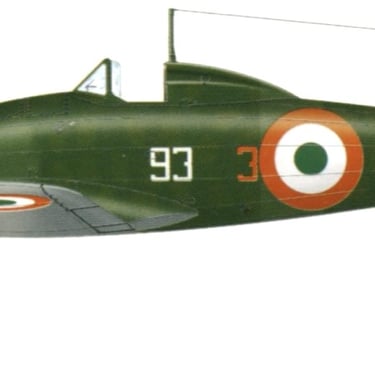
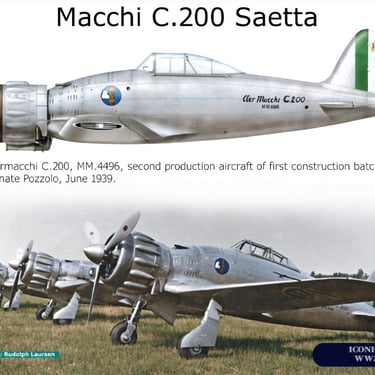
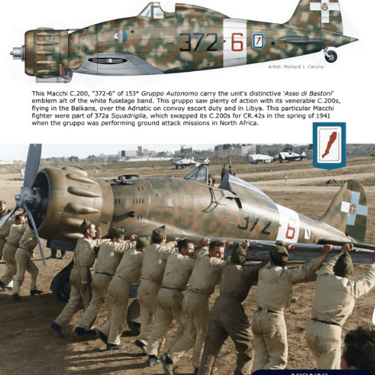
In the spring of 1935, Macchi's chief designer, Mario Castoldi, produced a series of design sketches for a modern monoplane fighter with retractable landing gear. This project, designated the MC200 , retained its name and general characteristics from its early stages until the end of production. (Interestingly, a two-seat version, the MC200bis, was also conceived during this same period, based on the same concept that had spawned the Boulton Paul Defiant.) The design was further developed following the issuance of official requirements by the Air Ministry in 1936 for an interceptor designed for the "defense of national territory if necessary." The requirements called for a good rate of climb, armament of a single 0.50-inch machine gun, and a limited endurance. This specification was soon amended to include an armament of two machine guns and a flight endurance of two hours.
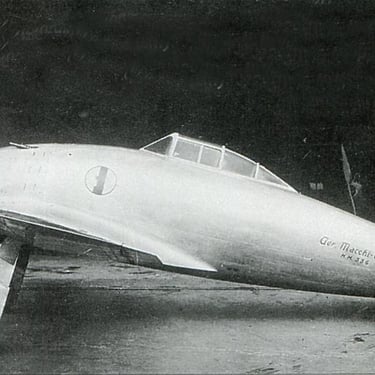
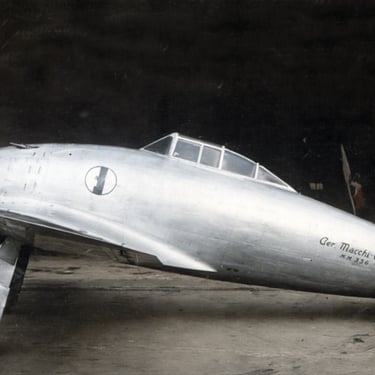
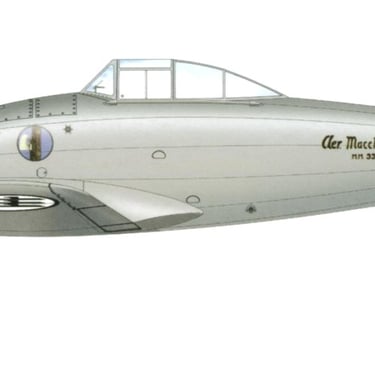
The MC200 prototype (MM 336) first flew on Christmas Eve 1937, piloted by Aer-Macchi chief test pilot Commodore Giuseppe Bureya. The designer endured many fierce battles with the Ministry's technical departments and ultimately defended the distinctive fuselage "hump," which provided improved visibility. The prototype initially suffered from aerodynamic disadvantages due to the adoption of a bulky radial engine; nevertheless, it had a largely aerodynamically clean silhouette, and the meticulous attention to refinement points to its origins in a long line of racing aircraft. The MC200's best qualities, however, weren't its exceptionally high speed, but its good climb rate, exceptional maneuverability, and structural strength, which were highly valued in maneuvering combat in subsequent years against more modern and more heavily armed aircraft. Its maximum dive speed was also impressive. During official testing at the experimental test center in Guidonia, Bureya achieved a remarkable dive speed of 805 km/h (500 mph) without experiencing flutter or aerodynamic problems.
At this time the Ministry was absorbed in preparing an RA development programme covering aircraft, personnel, bases and equipment, which became known as the "R Programme".
In 1938, the MC200 competed against prototypes from other Italian companies (Capronni-Vizzola F.5, Reggiane Re.2000, AUT18, IMAM Ro.51) for evaluation by the Ministry, and was selected for production. Its closest competitor, the Reggiane Re.2000, which had good maneuverability at altitude and better handling at low speeds, was rejected due to the extreme vulnerability of its wing fuel tanks and doubts about their structural strength. Having built a second prototype (MM 337), Macchi received an order for an initial batch of 99 aircraft.
Partly due to exhaustion in the Spanish Civil War, partly due to doubts about the decisions already made, the "R Program" was behind schedule by the beginning of World War II. At that critical time, at least one fighter storm (in relation to the structure of the Soviet Air Force, a storm (Stormo) is approximately equal to a regiment, since it consisted of two groups (Gruppo), each approximately equal to a division, which included 2-4 squadrons (Squadriglia) of three flights (Sezione) each. Usually, 3 stormos were combined into a division (Divisione). The abbreviation "CT" after the unit rank indicates the type of unit, in this case, Caccia Terrestre - land fighters - ed.) had only 29 aircraft, with an authorized strength reduced by 50% due to the availability of machines. A quarter of a century later, the absence of an official directive seems incredible, especially considering the extremely difficult situation with a number of materials that existed in Italy at that time, and the need to simplify training and training. This lack of official requirements prevented the end of intrigues between Italian aircraft manufacturers, traditionally staunch individualists, and resulted in the parallel production of identical, often obsolete, types of aircraft until 1943. Even putting aside the merits of each design, it seems inexplicable that for several years the production of the MC200, G.50, CR42 and Re.2000 continued in parallel, and later the Re.2001 appeared simultaneously with the MC202, followed by three more similar types of aircraft - MC205, G.55 and Re.2005. At that time, aviation industries larger than the Italian one reduced production to a few standard machines: Spitfire and Hurricane in Britain, Bf 109 and the first Fw 190 in Germany, which had a beneficial effect on training flight crews and their training.
Description of the Saetta fighter.
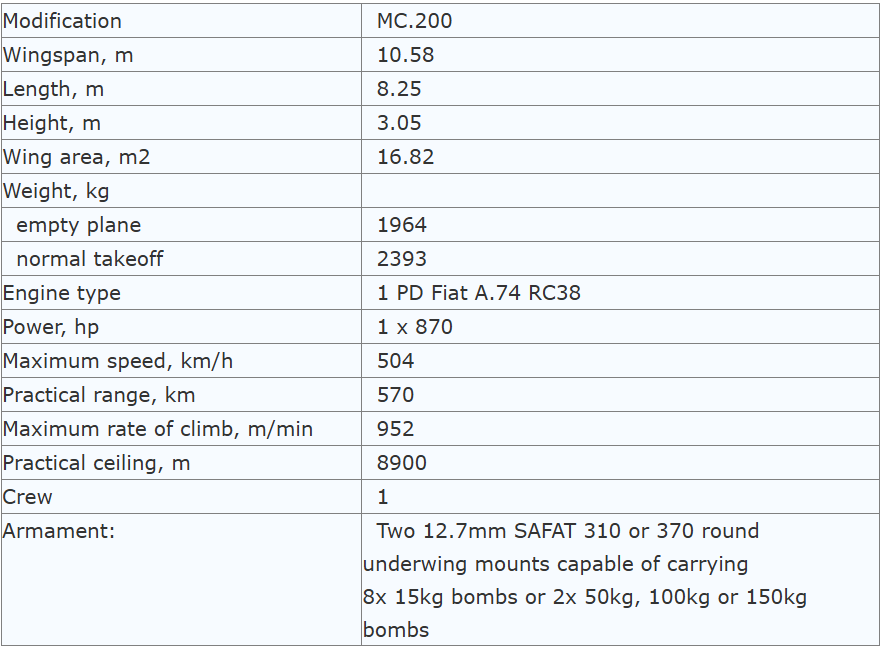
The MC200, soon christened Saetta ("Lightning"), was powered by a Fiat A.74 RC38 twin-row, 14-cylinder engine producing 870 hp at 2,520 rpm for takeoff and 740 hp at 2,520 rpm for overhead power. at sea level. The armament consisted of two 12.7 mm SAFAT machine guns with 310 rounds per gun on the first 12 aircraft, and 370 on subsequent ones. The engine cowling had a characteristic annular oil cooler and convex cylinder head fairings. The cockpit canopy was particularly noteworthy. The prototype and the first 240 aircraft assembled by Macchi (i.e. the first 5 batches) had a closed canopy with full rear visibility and a good aerodynamic shape, similar to the streamlined teardrop-shaped canopies used by many fighters of the second half of the war. However, this canopy was not liked by fighter pilots of the time, who traditionally were supporters of open cockpits on biplane fighters. After two experimental variations tested on the same airframe, two side panels folding down were adopted. hinges. In the field, these panels were sometimes removed, and two small transparent shields were installed on the sides of the visor.
The fuselage was a semi-monocoque shell with numerous stringers and frames, providing special strength. The fuel supply was concentrated in the fuselage. The main tank in the center section had a capacity of 241 liters, and the second, with a capacity of 150 liters, was located under the cabin floor. Under the fuselage, there was a mount for hanging a non-removable 77-liter auxiliary tank, which was used extremely rarely. All tanks were self-sealing, sealing holes from weapons of up to 12.7 mm caliber. An oxygen system, a fire extinguisher, and radio equipment (initially only an ARC1 receiver) were installed behind the cabin. The landing gear rods, flaps, and cowl flaps were hydraulically operated (the latter, on aircraft produced by subsidiary companies, were opened manually). The wings had a two-spar set connected to the fuselage. forged fittings. The slotted flaps had a maximum deflection of up to 45 degrees. The leading edge was a single piece, screwed to the main spar from the landing gear bays to the tips. All movable surfaces (ailerons, elevators and rudders) had fabric covering. The stabilizer had a variable angle of installation (from +1 degree 45' to -5 degrees 30') with balanced cable control. The main landing gear, retractable along the fuselage, had built-in hydraulic shock absorbers, while the tail wheel, retractable on the prototypes and aircraft of the first two batches, was subsequently non-retractable with or without a fairing. There was a full set of instruments of the time, including the well-known San Giorgio reflector sight and an ammunition consumption counter. The brakes were pneumatic, and for starting the engine there was also a cylinder with compressed air. The constant-pitch propeller on the first 24 machines was of the Hamilton-Fiat type, and on subsequent ones of the Piaggio P.1001 type. For training purposes, a photo-machine gun was installed in the root of the right wing.
In addition to Macchi, the MC200 was also produced on a large scale under licence by Breda (at Sesto San Giovanni near Milan) and SAI Ambrosini (at Passignano near Perugia) under an extensive subcontracting programme for a total of 1,200 aircraft produced between 1939 and early 1943. The Saetta remained virtually unchanged during its production. Apart from the aforementioned changes to the canopy, a dust filter was installed, leading to the introduction of the AS (Africa Settentrionale - North African) suffix in the aircraft designation. Underwing racks capable of carrying either eight 15 kg (33 lb) bombs or two 50 kg (110 lb), 100 kg (220 lb), or 150 kg (330 lb) bombs were added as a field modification. These mounts also provided the ability to carry two streamlined fuel tanks with a capacity of 100 or 150 liters. Minor modifications to the basic design included the installation of a seat with an armored backrest and the replacement of the Allochio Bacchini B.30 R/T transceiver. After the first series was produced, the propeller spinner was removed. Dry weight increased from the initial figure of 1,867 kg on the first series to 1,905 kg on the final series, and the payload correspondingly increased from the initial 429 to the final 522 kg.
Saetta enters service.
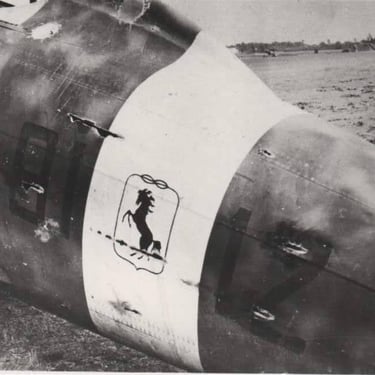
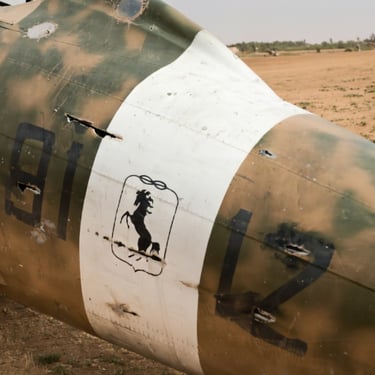
"Program R" provided for the re-equipment of three Stormo fighters with the MC200 during 1939-1940. The remaining units were armed with CR32 (2 Stormo and 1 squadron), CR42 (4 Stormo and 3 groups) and G.50 (1 Stormo and 1 squadron). The first unit to receive the MC200 was the 4th Stormo, previously armed with CR42 fighters. However, the famous "Prancing Horse" emblem did not appear on the MC200 for long, since the pilots trained on biplanes and preferred the familiar CR42 with its excellent maneuverability and suitability for aerobatics. They changed their aircraft to CR42 from the 1st Stormo, the unit that adopted the new monoplanes with a large enthusiasm. Soon other units followed, including the 152nd Gruppo "Asso di Bastoni" ("Ace of Clubs"), after the disbandment of which in 1940 the 153rd Gruppo and the 369th Squadron were formed from its squadrons, which inherited the famous emblem of the Spanish Civil War - "Cucaracha" ("Cockroach"). The rearmament program did not go as quickly as desired, on the one hand, due to problems with training and on the other hand, due to the "teething problems" of both production and development. When Italy entered the war on 10.6.40, Saetta fighters were the armament of the 54th Stormo (including the 152nd Gruppo in Airasca and the 153rd Gruppo in Vergiata) and the 6th Gruppo of the 1st Stormo in Palermo. Several other units also re-equipped with MC200s.
The MC200s did not participate in the brief campaign against France. During this time, all MC200s were grounded due to two consecutive crashes, the cause of which could not be immediately determined. During this period of uncertainty, some circles proposed halting production entirely. Ultimately, the cause was determined to be a stall, and some modifications to the wing profile resolved the problem.
Despite the delay in deliveries of MC200s to the RAF, in the spring of 1940 the Danish government agreed on an export order for 12 aircraft, which proved stillborn due to the shortly afterward beginning of the German invasion of this country. The first combat sorties of this aircraft type were carried out by the 6th Group in September 1940 during the offensive on Malta. These were mainly sorties escorting Ju 87 dive bombers from the 96th and 97th Groups against the British airfields of Hal Far and Macabba. As the fighter defense of the island strengthened, MC200s increasingly began to engage in maneuvering combat with RAF aircraft. At that time, their most dangerous opponent was the Hurricane, and the appearance of this fighter in Greece forced the redeployment of Italian fighter forces in March 1941. This was accomplished by the withdrawal of the 150th Group from CR42 in Albania and the 22nd Group with 36 MC200s was sent from Ciampino to Tirana, while the 371st Squadron with 10 MC200s was redeployed from Ciampino to Valona. In March and April 1941, fierce air battles took place as the Allies fought back fiercely in the face of imminent defeat.
Although slightly inferior to the Hurricane in top speed, the MC200 took full advantage of its superior maneuverability, turning radius, and rate of climb, and in the hands of an experienced pilot was a formidable opponent. During the four-day campaign in April 1941 against Yugoslavia, in addition to the squadrons already based in Greece, the units with MC200s included the 7th Gruppo (22 aircraft at Treviso), 9th Gruppo (23, Gorizia), 10th Gruppo (23, Altura di Pola), 16th Gruppo (22, Ravenna), 153rd Gruppo (38, Paglia), and 356th Squadron (6 aircraft at Bari). Due to insignificant resistance in the air, MC200s were mainly engaged in escorting and attacking troop concentrations, roads, and seaplane bases.
The exhaustion that followed five months of combat in Greece and North Africa necessitated the deployment of the German X. Fliegerkorps, based in Sicily, to the Mediterranean. Italian fighter units made up a large proportion of the island's air defenses and carried out numerous escort missions for German bombers attacking Malta. Ultimately, the MC200s of the 1st Stormo were replaced by similar aircraft from the 10th Gruppo and the 54th Stormo.
Operations in Africa.
The most active theater of operations for the MC200 during 1941 was North Africa, and their first unit in this region was No. 374 Squadron, transferred there in April. At this time, the recapture of Cyrenaica was almost complete, with the exception of the heavily fortified British fortress of Tobruk. The next units to arrive in July were No. 153 and No. 157 Group. Allied air opposition was constantly increasing in both quality and quantity, especially with regard to fighters based at airfields along the Nile and at forward airfields between El Daba and Sidi Barrani. In addition to the familiar Hurricanes, the MC200s were also introduced to the newly received P-40s, which were used by some DAF squadrons. Typical records of the combat activities of the MC200-equipped unit during this period can be found in in the combat diary of the 153rd Group, recorded there between July and December:
Flight time - 4,686 hours. Sorties - 3,591. Combat - 21. Enemy aircraft destroyed - 19 confirmed, 12 probable, plus 35 destroyed on the ground. (Of this number, 19 Hurricanes were shot down and destroyed on the ground in the areas of Sidi Barrani, El Suasque, and Bir El Gobi, as well as 3 P-40s in the area of Bir Habat.)
In the difficult desert conditions, the MC200 performed well, both due to its structural strength and its short takeoff run, which was highly appreciated on the desert front lines. In the air, the aircraft was piloted literally with fingertips, visibility was excellent, and its only drawback was its weak armament.
In December, the desert-weary units were sent to Italy and replaced by new MC200 squadrons. The 8th and 150th Groups were redeployed to El Nofilia along with the first units armed with the new MC202 fighters. The average monthly strength of MC200s in North Africa increased from 6 aircraft in April to 25 in December, which makes it possible to estimate the significant difference between the theoretical and actual composition of units. During the renewed Axis offensive in the first months of 1942, which led to German and Italian forces on the approaches to Alexandria by summer, MC200s from the 8th, 13th, and 150th Groups were closely involved in bomber cover and low-level attack missions along with CR42s, while the MC202s covered them at altitude. During this campaign The MC200s were first used as fighter-bombers with two underwing bombs. Arriving in Africa, the 18th Group (3rd Stormo) had about 40 MC200s with bomb armament and was deployed to Abu Aggag in July. In September, Saetta fighter-bombers from the 13th Group successfully participated in repelling the Allied naval assault on Tobruk. During these actions, the British destroyer Zulu was sunk and several transport and landing ships were damaged.
After the decisive British and Commonwealth victory at El Alamein, MC200s were very active in covering the retreat of Axis forces, fighting off the advance columns of Allied infantry and light armor, but the growing shortage of spare parts, fuel and ammunition, together with superior enemy numbers, greatly reduced the composition of units with MC200s. When in January 1943 all RA units except essential ones were repatriated to Italy, only one squadron of MC200s from 13 Group remained in North Africa. A month later, 25 combat-ready machines were distributed between 384 Squadron in Tunisia, 18 Group and 13 Attack Group in El Hamma. Despite the difficult conditions, some missions were carried out, but the MC200, as an effective first-line fighter, was already was at the end of its career. Nevertheless, MC200 fighter-bombers, along with German Fw 190s and Bf 109s, took part in attempts to prevent the Allied occupation of Pantelleria.
Lightning over the USSR.
On August 12, 1941, the 22nd Group, with 51 Saetta fighters, arrived on the Russian Front at Tudora, near Odessa. They were accompanied by two SM81 and three Ca.133 transports, followed by several bomber and spotter units. This was the first RA component to see combat with the Italian Expeditionary Force in Russia (CSIR). The MC200s operated with some effect during the Italian offensive on the Dnieper River in September, but with the onset of winter, conditions became increasingly difficult, both in terms of weather and because the unit did not have suitable equipment for operations in very low temperatures. During November and most of December, flying was impossible, but in the three-day "Christmas Battle", the MC200s, for the loss of one aircraft, shot down 12 Soviet fighters in three battles. When in February and in March, large-scale combat operations resumed, with MC200s active in escort and attack missions, and fighting
With Soviet fighters with great success. During the spring, the 21st Group replaced the 22nd and was combined with 12 select MC202s. Despite the small number of Italian aircraft participating in the Russian campaign, very good results were achieved: during 18 months of operations, the Macchi company's aircraft, with an average combat readiness of about 30 aircraft per month, carried out 1,983 escort sorties, 2,557 on-call sorties, 511 sorties to cover friendly forces, and 1,310 attack sorties. In total, 88 Soviet aircraft were destroyed for the loss of 15 Italian fighters.
End of the road.
In July 1943, on the eve of the invasion of Sicily, the units with a mixed armament of MC200s and other types of aircraft were the following:
2nd Stormo at Casella, Italy (41 aircraft, 26 combat-ready); 22nd Gruppo at Capodichino Littoria, Italy (3 aircraft, 2 combat-ready); 157th Gruppo at Grottaglia, Italy (13 aircraft, 5 combat-ready); 161st Gruppo at Reggio, Italy (4 aircraft, none combat-ready); 392nd Squadron at Tirana, Albania (2 combat-ready aircraft); 395th Squadron at Araxos, Greece (18 aircraft, 7 combat-ready). By the Armistice, only 33 MC200s were combat-ready. Of these, 23 fell into Allied hands, primarily aircraft of the 8th Group, which escorted Italian fleet ships from La Spezia to Malta, where they began operating in the Italian Allied Air Force. The MC200s remaining in northern Italy were used briefly as trainers, but did not see combat. In the summer of 1944, the MC200s remaining in southern Italy were reassembled at the fighter flying school in Leverano, when their repair became extremely difficult due to a shortage of spare parts. Some surviving aircraft remained at the flying school in Lecce until 1947, since the training plan at that time called for basic training on two-seater CR42 and G.50, advanced training on the MC200, and qualification on the MC202 and MC205.
As mentioned above, the MC200 did not undergo any major changes in equipment during its production. Only one single machine (MM 8191) underwent major modification when it was fitted with a Piaggio P.XIX engine in 1941.
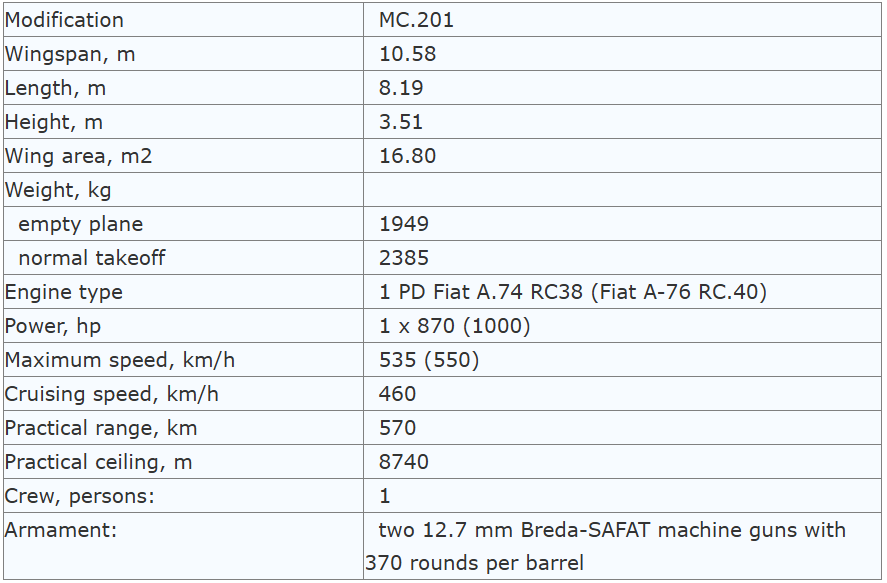
Macchi C.201 modification:
The first prototype of the Saetta (Lightning) fighter—the name given to the Macchi aircraft—made its maiden flight in December 1937, and the first batch of 99 aircraft was ordered the following year. Both the MC 200 and G.50 soon became the most modern and successful fighters of the Regia Aeronautica. The Saetta was particularly popular, in part due to its excellent rate of climb.
However, when comparing Italian fighters with similar aircraft from other countries, their foreign opponents (Messerschmitt Bf 109, Dewoitíne D.520, Hawker Hurricane, Supermarine Spitfire), equipped with more powerful engines, outperformed the Italian aircraft. This superiority soon manifested itself in aerial combat, the results of which were extremely painful for the Regia Aeronautica.
Partly to blame for this situation lay with Italian military doctrine and staff, which assumed that a major European conflict would erupt much later than it did, and that the Regia Aeronautica would only reach its peak strength in 1944, four years after Italy's entry into the war. A certain neglect of the development of powerful liquid-cooled V-engines also played a role.
As a result, by late 1938, the Air Ministry organized a competition for a new, powerful monoplane fighter. Aeronautica Macchi's chief designer, engineer Mario Castoldi (the addition of Castoldi's surname to the Macchi name gave his aircraft the designation MC), decided to take the simplest route: modernizing the MC200 without major design changes.
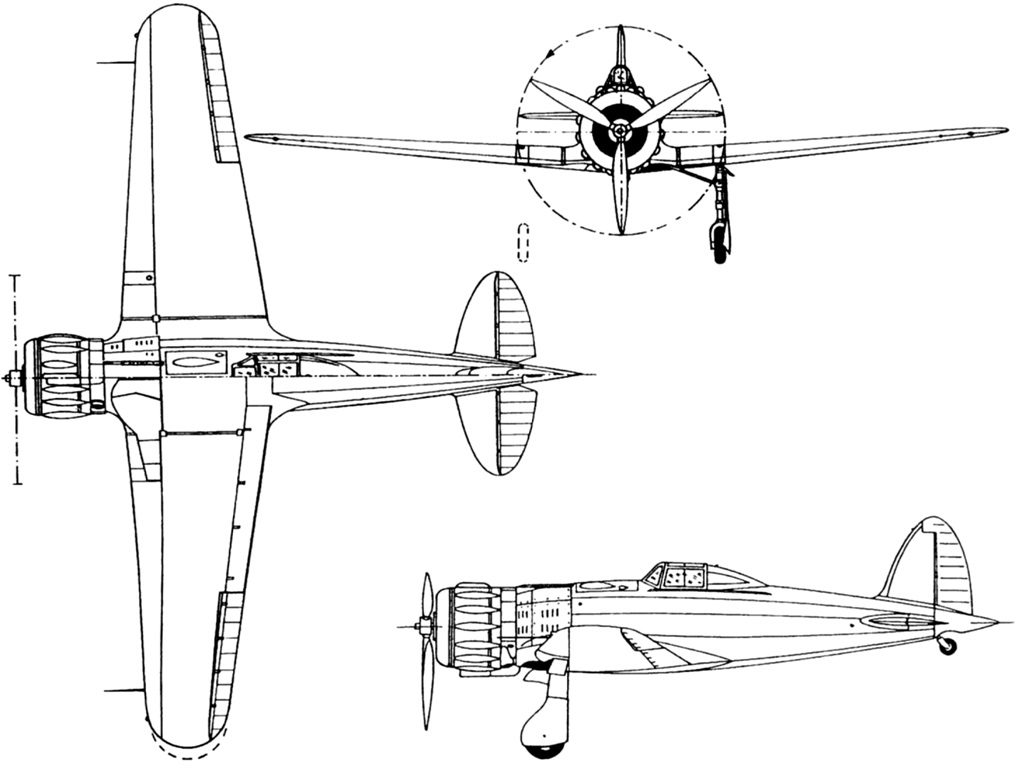
The new machine, designated the MC 201 , was to be powered by a new radial, twin-row, fourteen-cylinder FIAT A.76 R C.40 engine. This engine was expected to produce 1,000 hp and was currently undergoing development. On the modified airframe, it was to replace the FIAT A.74 RC38 engine, which had been installed in the MC 200 and produced 870 hp. Castoldi completely adopted the wing and landing gear from the MC 201 (the propeller torque neutralization system, consisting of unequal-length wing panels, was retained), the rear fuselage, equipment, cockpit canopy, and armament in the form of two synchronized 12.7-mm Breda-SAFAT machine guns.
New features of the aircraft included a more streamlined fuselage center section and, as a result, a lower cockpit position. The characteristic hump didn't completely disappear, but it became noticeably smaller, and the fuselage itself smoothly transitioned into the engine cowling. The resulting reduction in cross-section (and drag), improved aerodynamics, and a more powerful engine were expected to provide the new fighter with higher horizontal speed, rate of climb, acceleration at the start of a dive, and other advantages.
However, all this remained in theory. When the prototype MC201 airframe (military registry number MM436) was completed, it was missing the most important thing—the A.76 RC40 engine, whose development slowed and then ceased altogether. The factory-assembled airframe was fitted with a standard MC200 engine and cowling.
The MC201, equipped with this powerplant, made its maiden flight in August 1940. Although testing showed a slight increase in speed (312 mph (512 km/h) compared to the MC200's 312 mph (502 km/h)), other performance characteristics changed only slightly. The improved performance did not justify the design changes, and therefore there was no hope of putting the MC201 into production.
In addition, around the same time (August 10, 1940), the prototype MC202 fighter took to the air, with a twelve-cylinder inverted inline V-shaped liquid-cooled Daimler-Benz DB 601A engine, acquired from Germany, installed in the nose, developing 1,175 hp. Although the MC202 airframe was based on the same MC200, it was in fact an aircraft of the next generation of monoplane fighters.
The MC201 prototype served briefly at the Guidonia test center before being decommissioned. Ironically, the MC200s it was intended to replace continued to serve as fighter-bombers until the very end of the war.
Macchi "MC.200 Saetta", Fighter
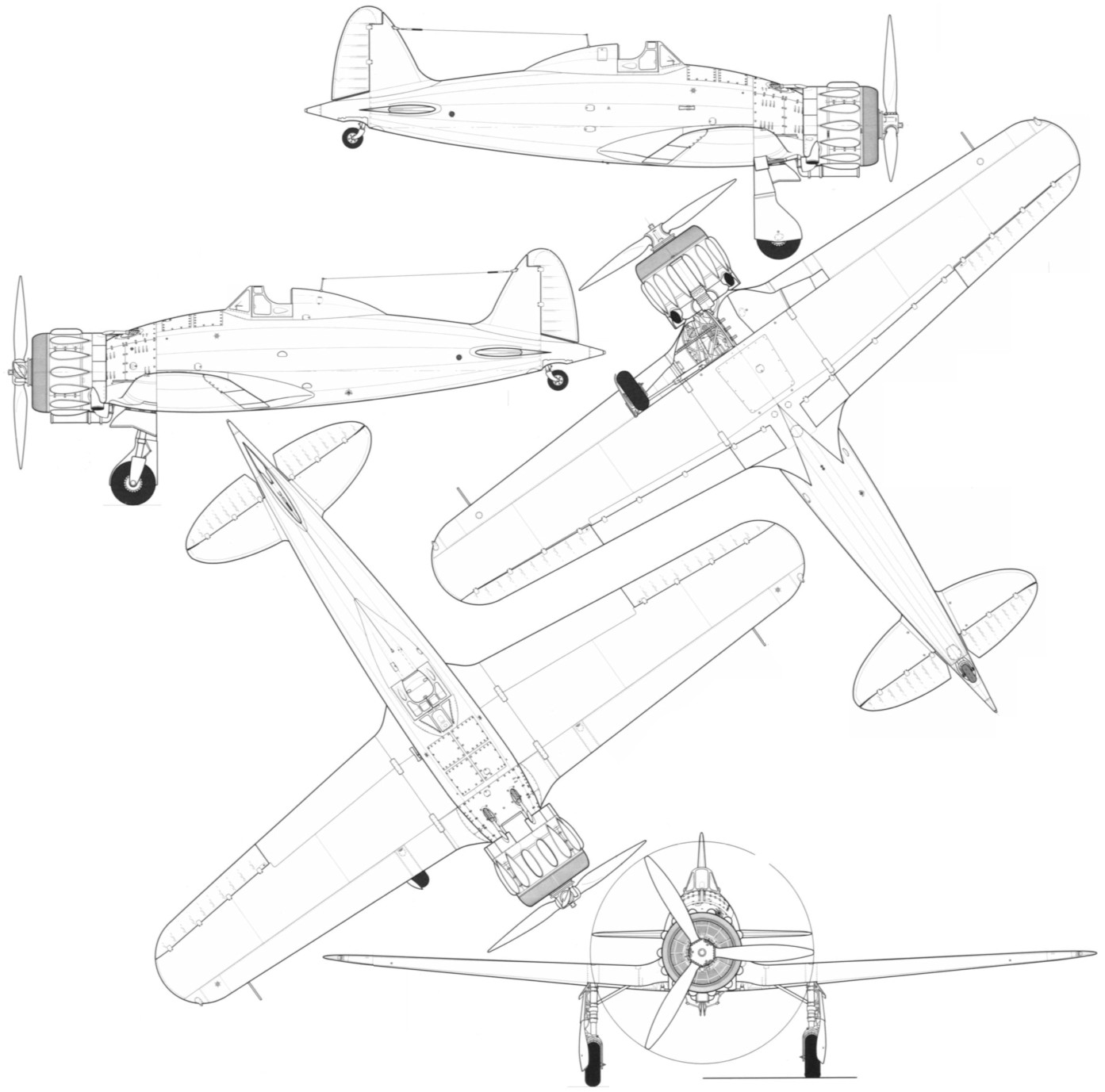
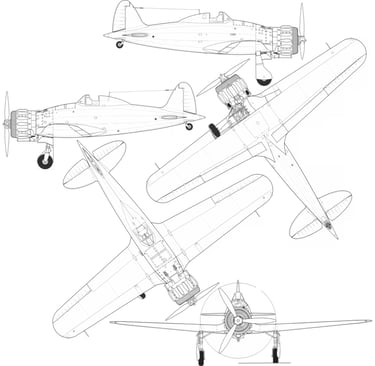
Macchi C201