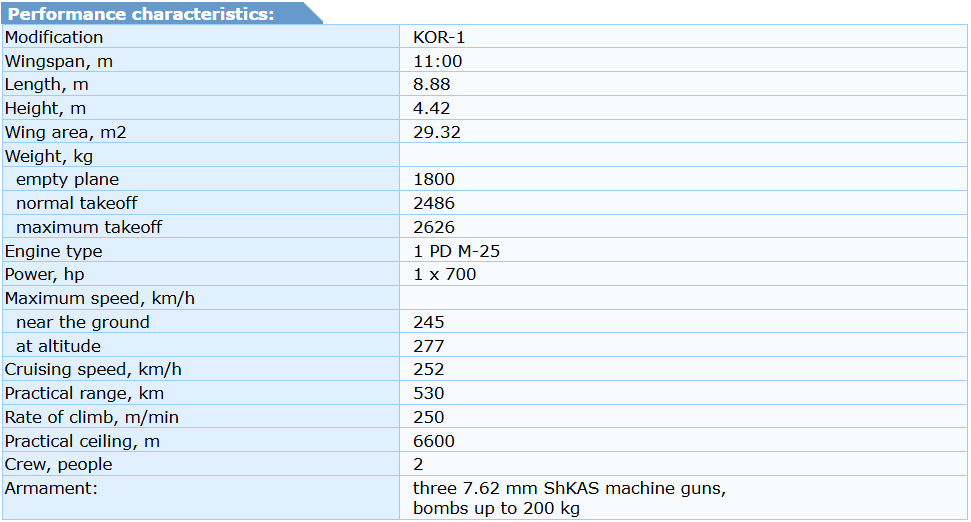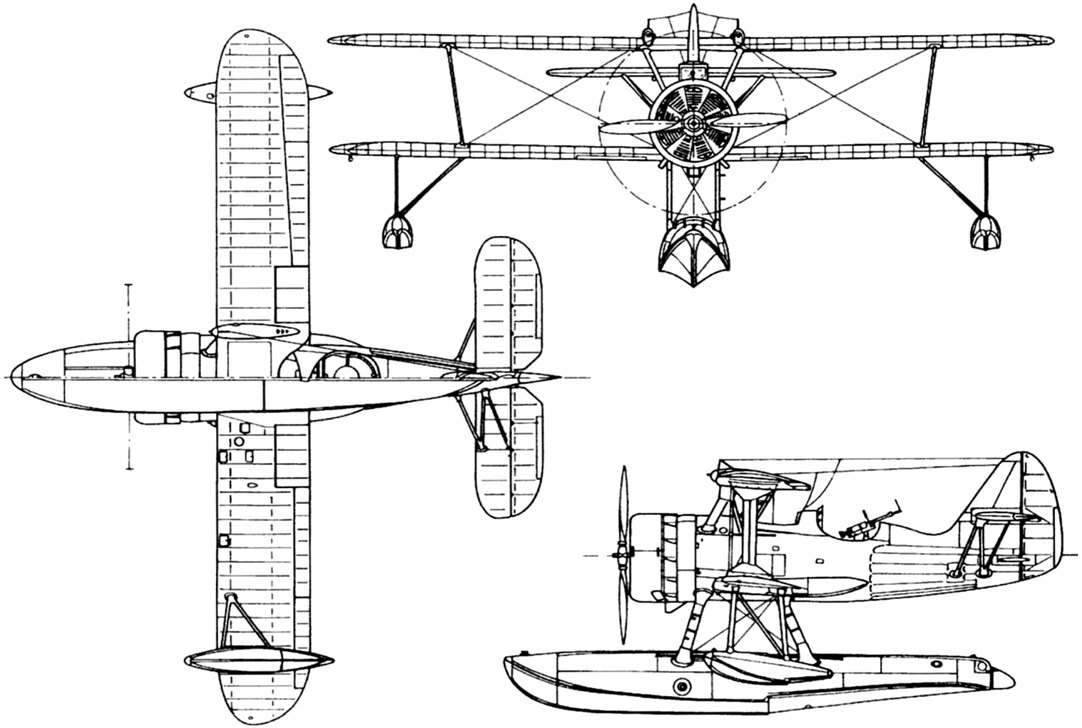
Beriev "KOR-1 (Be-2)", Reconnaissance aircraft
Developer: Beriev Design Bureau
Country: USSR
First flight: 1936
Type: Beconnaissance floatplane
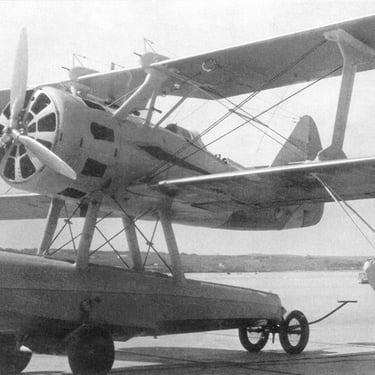
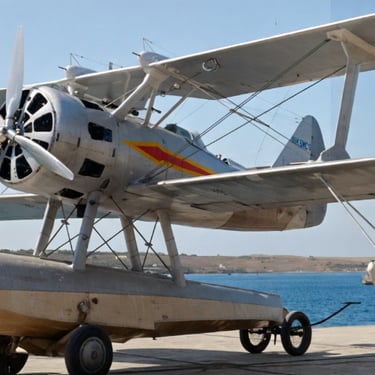
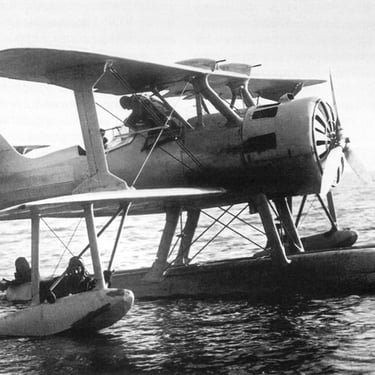
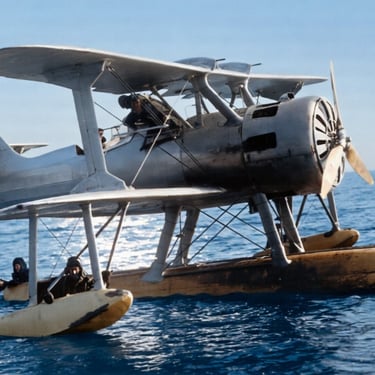
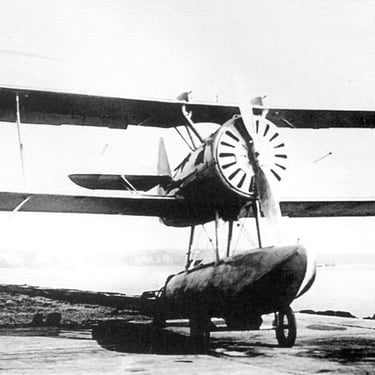
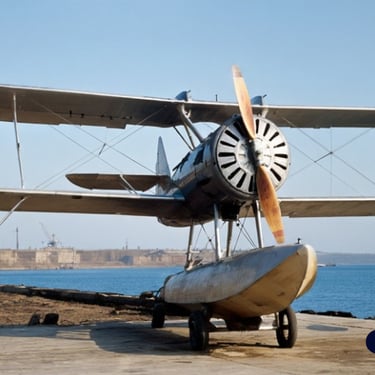
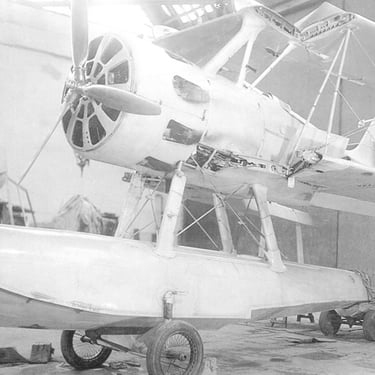
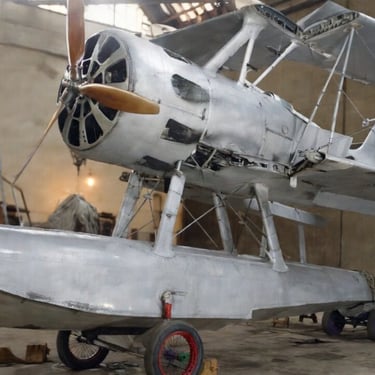
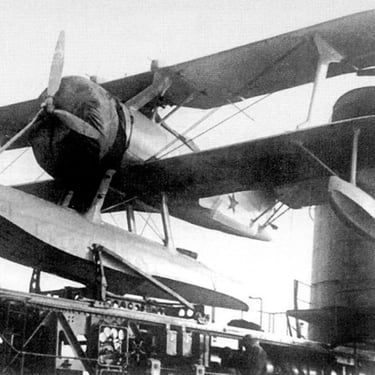
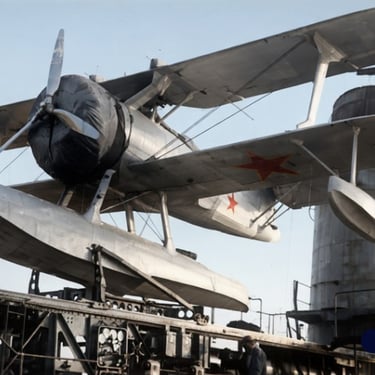
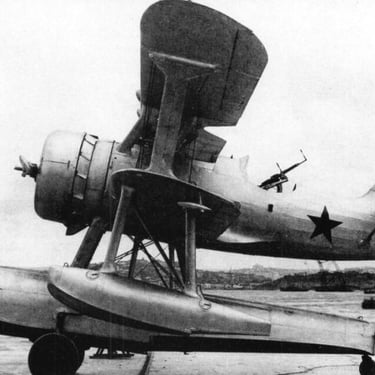
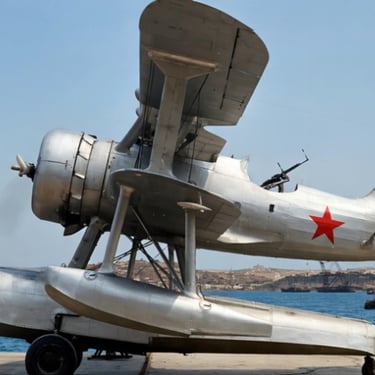
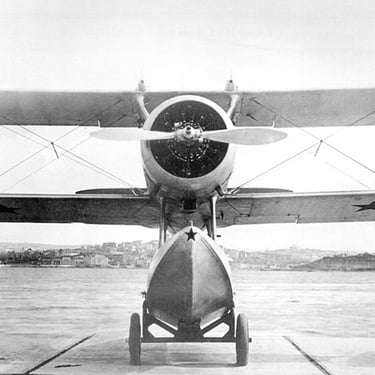
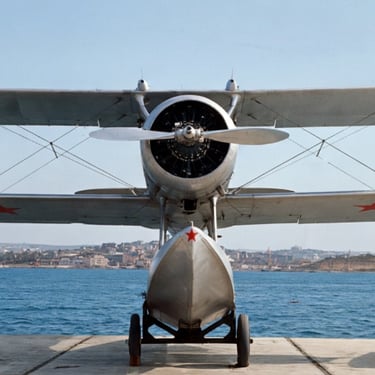
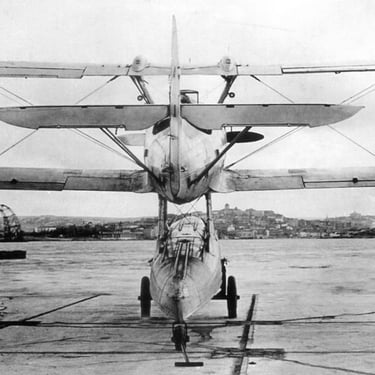
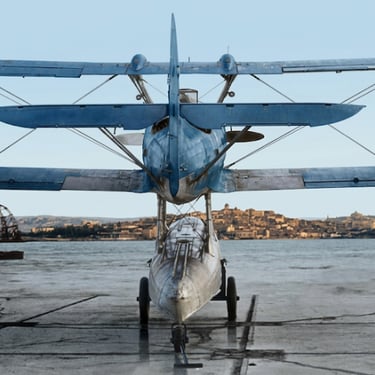
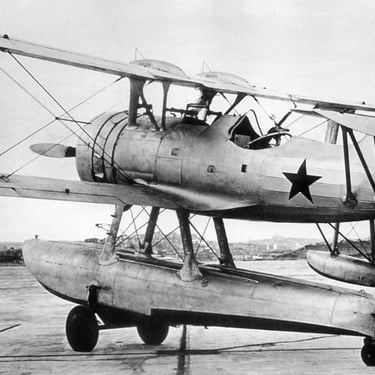
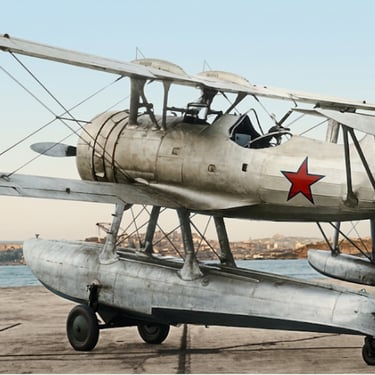
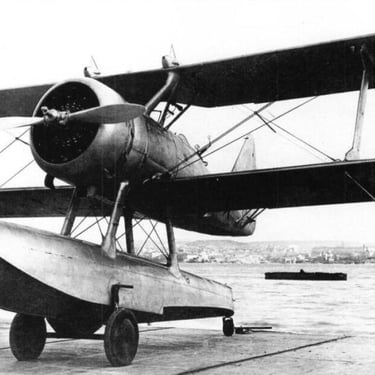
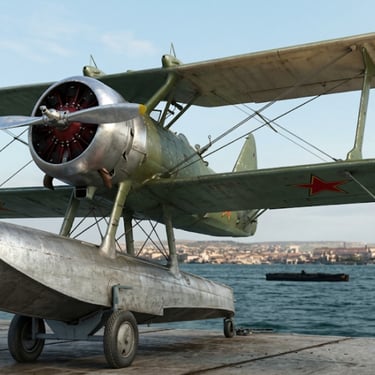
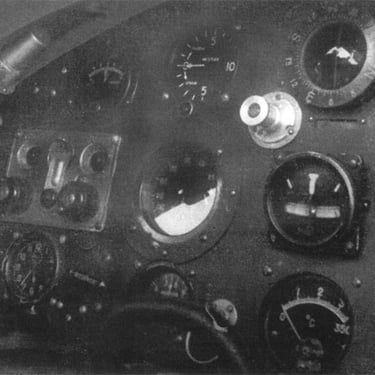
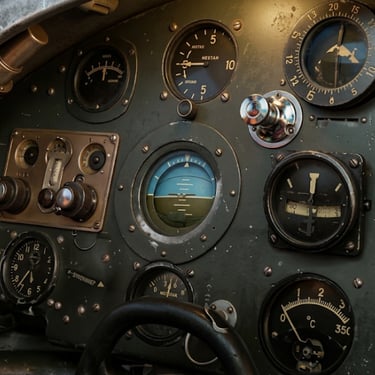
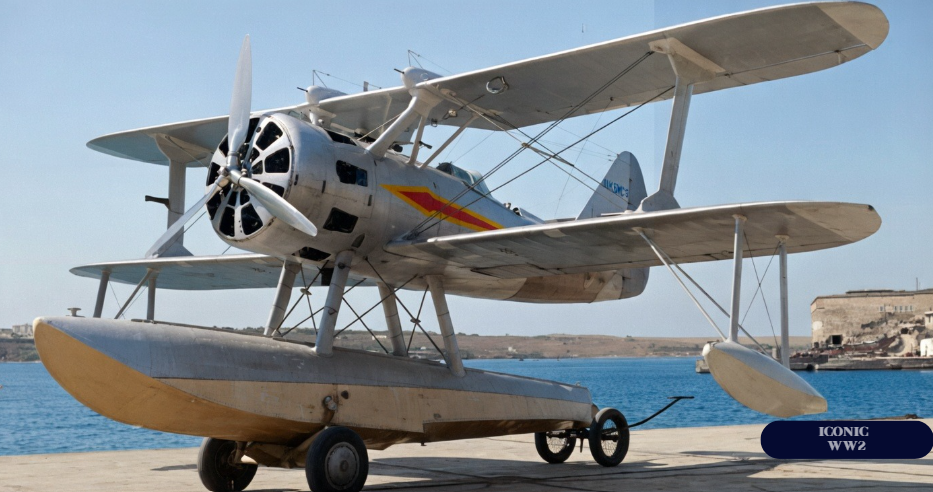
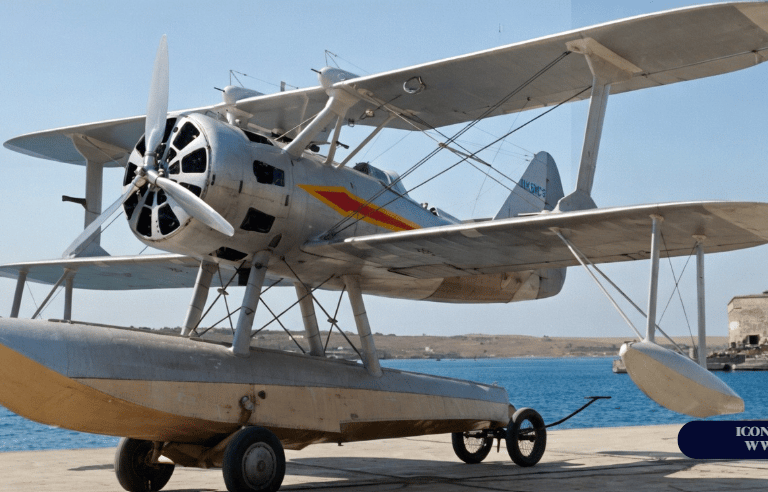
The KOR-1 naval reconnaissance aircraft was built in small numbers and lacked outstanding performance. Nevertheless, it became the first Soviet production floatplane specifically designed for shipboard placement and launch from a naval catapult. During the first five-year plans, the USSR was rapidly expanding its naval forces. Specialized aircraft were needed to protect large ships and provide target acquisition for over-the-horizon fire. The first such aircraft were 28 HD-55 biplanes (Soviet designation KR-1) purchased from Germany. Several K-3 steam catapults were obtained from Germany to launch these aircraft from ships. Thus, Heinkel's flying boat, taking off from a ship, could conduct aerial surveillance and patrol of vast areas of the sea around a formation of warships. A drawback of the Heinkels was the difficulty of recovering the aircraft after they returned from a flight and landed on the water. To accept them, the ship had to drift, making itself a target for enemy artillery. True, this drawback was inherent in almost all aircraft of this class at the time. Later, the USSR abandoned further purchases of naval aircraft abroad and began designing its own aircraft and catapults for them. The Central Design Bureau of Naval Aircraft (TsKBMS), which had by then been established in Taganrog and was headed by Georgy Mikhailovich Beriev, received the task of developing such a floatplane. During the design phase, the aircraft was given the official designation KOR-1 (naval reconnaissance aircraft-1) and the manufacturer's designation TsKBMS-3. According to the customer's requirements, personally signed by Air Force Commander Yakov Alksnis, the KOR-1 was to perform reconnaissance and fire adjustment for naval and coastal artillery. Additional missions included bombing sea and land targets, as well as assault strikes using onboard small arms. According to the terms of the order, the Central Design Bureau was also required to design a civilian version of the aircraft. It was planned to be used as a high-speed mail plane for the Arctic and for fisheries surveys. Therefore, the designer had to develop not only the floatplane version—the basic KOR-1—but also variants with wheeled and ski landing gear. By October 1934, G.M. Beriev submitted three draft designs for the basic aircraft variant to the commission: a single-float design, a twin-float design, and a flying boat. On November 22, after a comparative evaluation, the commission approved the single-float design. The KOR-1 mockup was accepted on June 11, 1935. The design bureau then began preparing working drawings for the first prototype. The government specifically ordered negotiations with Heinkel for the new aircraft and a contract for the development and purchase of steam catapults. At the same time, they tried to keep most of the characteristics of the new aircraft secret and told the Germans only the takeoff weight of the KOR-1 and the speed required for its takeoff.In parallel with the acquisition of imported equipment, the Kirov Plant in Leningrad began construction of its own catapult. The aircraft was completed by the end of the summer of 1936. The KOR-1's maiden 12-minute flight took place on September 4, 1936, with test pilot P.A. Noman in the cockpit. However, before the full factory testing program was completed, the aircraft was transferred to Sevastopol for state trials. There, the pilots completed 39 flights. The results revealed that the aircraft failed to meet 25 performance requirements. The KOR-1 was returned to the plant for modifications. Following these events, the floatplane's machine gun and bomber armament were tested during military trials. Here, too, the KOR-1's systems performed unsatisfactorily – the bomb rack locks stubbornly refused to obey the "drop" command, and the aircraft returned its dangerous cargo to the ground.
On June 20, 1937, state tests of the aircraft ceased. The KOR-1 would not have passed them, but due to the lack of another aircraft of similar purpose, a decision was made to produce a small series (12 units) of the KOR-1 at Taganrog Aircraft Plant No. 31. Beriev was also asked to address all identified defects as quickly as possible. One of the main issues—engine overheating—was resolved by replacing the cowling. The old Vatter cowling, structurally similar to those on the I-15 and I-16 aircraft (with a series of holes and a sliding disk for adjusting their cross-section), was replaced with a new one, completely open at the front (American NACA design). Afterwards, tests at maximum flight speeds were conducted on the serially produced, modernized models, limiting the dive speed to 300 km/h.
To improve stability, the volume of the underwing floats was increased by more than a third. To prevent water from splashing onto the rotating propeller, the main float was moved forward and its forward section was raised by 12 cm. To force bomb release in the event of electrical failure, mechanical emergency systems were installed in both cockpits. Drawbacks such as exhaust fumes entering the cockpit and uncomfortable pilot seats were considered minor.
In units, the KOR-1 was considered a transitional aircraft and was used primarily for training flight personnel in both naval and land-based (land-based) configurations. An evaluation of the maneuverability of production aircraft revealed their potential hazards. During maneuvers, the KOR-1 could enter a spin at any moment, and it stubbornly refused to recover from this predicament. Therefore, performing aerobatic maneuvers on the KOR-1 was strictly prohibited. In early 1939, the first of the K-12 catapults ordered from Germany arrived to the navy. It was mounted on a special barge and towed out to sea. Over the course of twenty days in April 1939, 11 KOR-1 aircraft were launched from this structure. This was followed by a series of launches from the cruiser Krasny Kavkaz. All launches were successful, and the catapult was accepted into service.
The first domestically produced catapult, the ZK-1, was delivered to the customer in the summer of 1939. In September, its installation began on the cruiser Maxim Gorky, and in October, the first KOR-1 aircraft were launched. A series of four catapults of a similar design was laid down at the Nikolaev plant. The first examples of these catapults, designated N-1 and N-2, underwent testing in 1940. The KOR-1 again participated. At the beginning of the war, the aircraft received a new designation – Be-2 – and were used exclusively from shore, equipped with landing gear instead of floats. In the Baltic Sea, they served with the 15th Naval Reconnaissance Regiment as short-range reconnaissance and rescue aircraft. Several aircraft served as light bombers. In the Black Sea, during the defense of Sevastopol, they were used as light attack aircraft.
During serial production, the following modifications of the KOR-1 were produced:
KOR-1 (serial) - differed from the prototype aircraft in that the central float was raised and slightly moved forward, the underwing floats had increased volume and the engine cowling was modified;
KOR-1 (on a wheeled chassis) - the tail section power set was reinforced with additional bracing straps. Additional struts were installed under the stabilizers. The engine cowling and the canopies of the pilot and observer cockpits were modified; KOR-1 (on ski chassis) - the general design was not changed. The skis were taken from the I-153 fighter;
KOR-1 (catapult launch) - the design corresponded to the standard serial model. Aircraft launches from a catapult were considered successful, but the use of this method was limited to several dozen experimental launches;
KOR-1 (with cassettes) is a land-based version of the aircraft with containers (cassettes) suspended under the lower wing, designed by A. Savelyev, with 7.62 mm ShKAS machine guns.
Beriev "KOR-1 (Be-2)", Reconnaissance aircraft