Arkhangelsk "Ar-2", Bomber
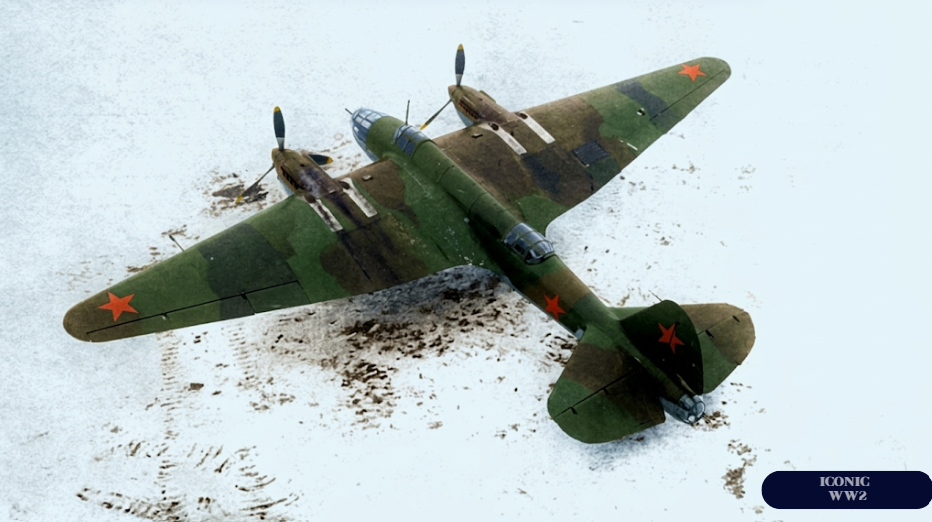
Developer: Arkhangelsk
Country: USSR
First flight: 1940
Type: Bomber
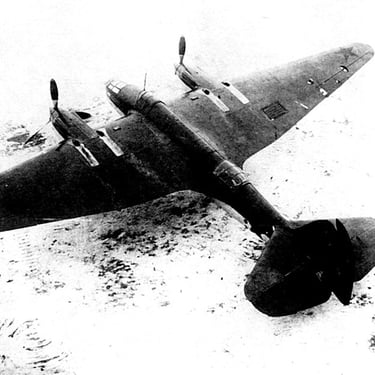
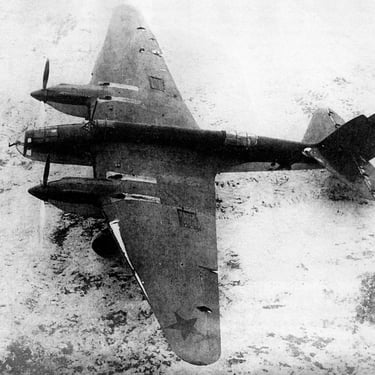
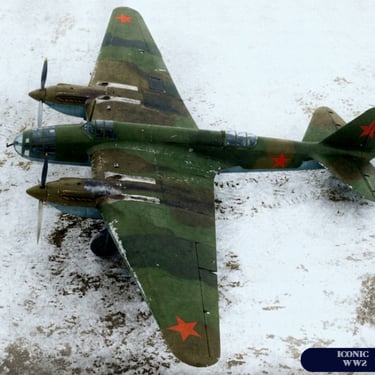
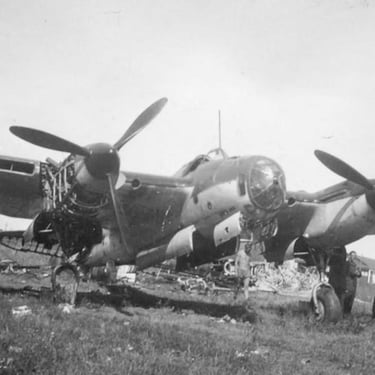
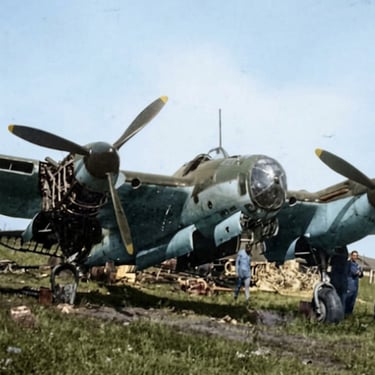
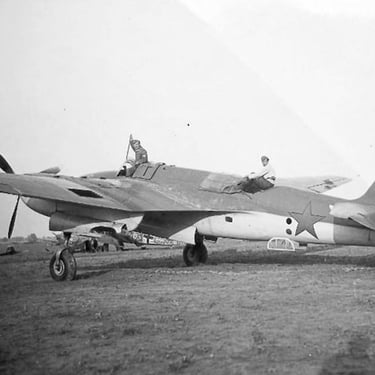
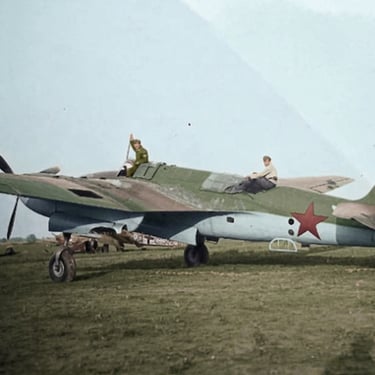
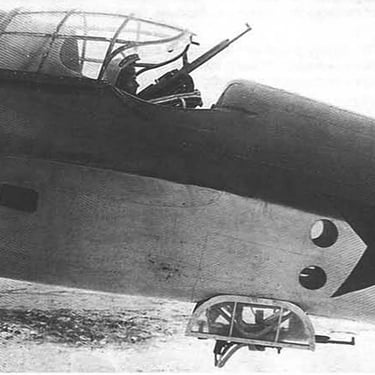
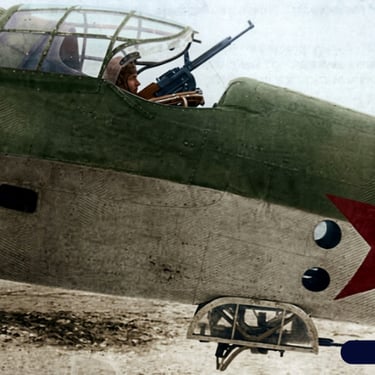
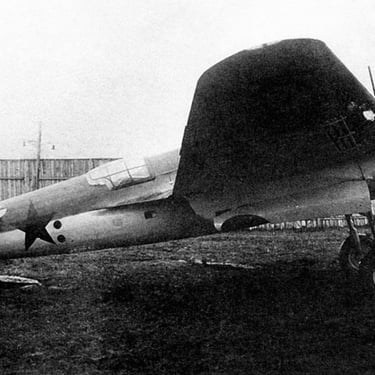
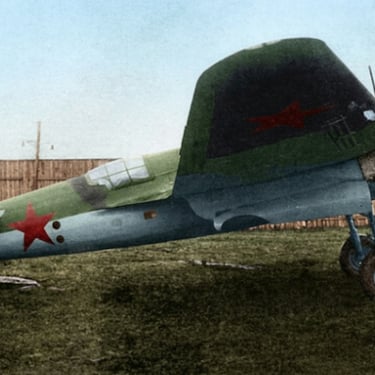
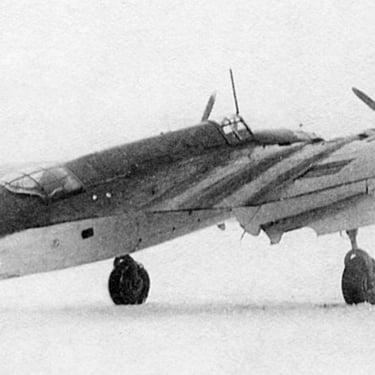
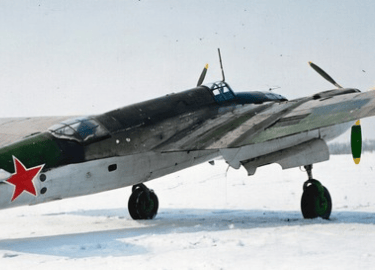
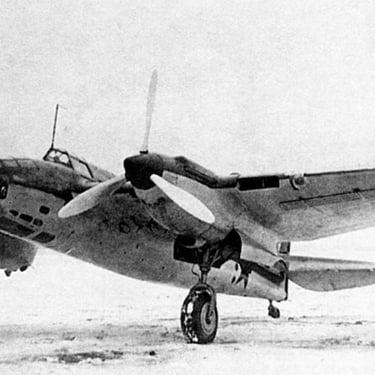
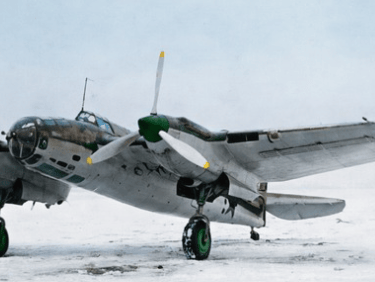
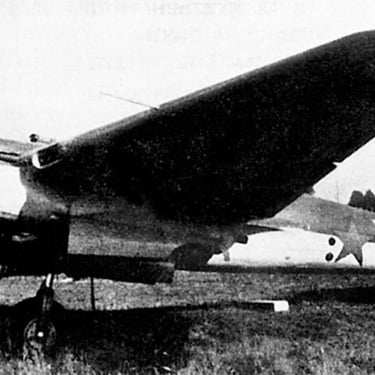
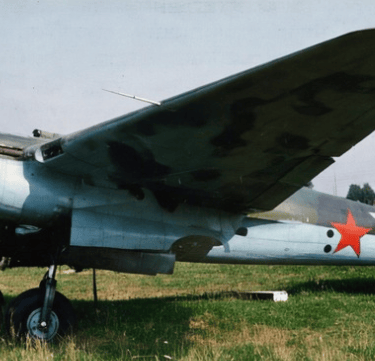
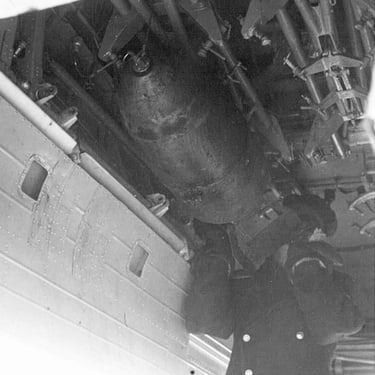
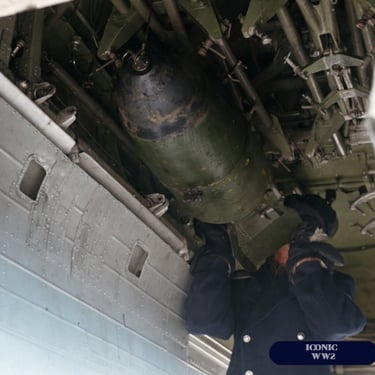
At the beginning of 1940, the Arkhangelsk Design Bureau at the 22nd aircraft plant continued intensive work on improving the SB, both in terms of the current modernization of the aircraft and its components, and in terms of the implementation of two main areas of modernization: minor - mainly due to improving the aerodynamics of the aircraft (result - achieving a maximum speed of 500 km/h) and major - due to changes in the design of the aircraft (result - achieving a maximum speed of 600 km/h).
According to the Decree of the Defense Committee under the Council of People's Commissars of the USSR No. 230 of July 29, 1939, aircraft plant No. 22 was obliged to completely switch to the production of modernized SB aircraft with M-105 engines from January 1940, "ensuring their production in a volume no less than the 1939 program", and from March - to produce all SB aircraft with M-106 engines with a maximum speed of 500 km/h at an altitude of 6,500 m.
In January 1940, the second copy of the MMN aircraft with M-104 engines and the SB N20/207 aircraft with an installation for filling the fuel tanks with inert gas began flying.
Factory testing and refinement of the SB N18/206 aircraft with M-103 engines equipped with TK-2 turbochargers continued. The issue of installing the TK-2 on SBs with M-105 engines was also actively explored. Defense Committee Resolution No. 240 of June 1, 1940, required the 22nd Plant to conduct tests of three SB aircraft with M-105TK-2 engines by September 1. However, due to difficulties in fine-tuning the TK-2 turbochargers within the established deadline, only two SB 2M-105s were equipped with them, neither of which managed to pass factory testing. The installation of the TK-2 on the SB 2M-103 aircraft was also not fully finalized, which is why the latter failed factory testing. For these reasons, plans for introducing high-altitude SBs with turbochargers into service were adjusted. According to the new plans of the A. A. Arkhangelsky Design Bureau, TsIAM and Plant N22 were obliged to "...conduct factory tests of two SBs with M-105TK-2 engines by October 10, 1940, ...transfer one SB 2M-J05TK-2 to the Research Institute of the Air Forces of the Red Army for state tests and, without waiting for their completion, manufacture 20 SB 2M-105TK-2 for military tests" and "...expand work on fine-tuning the TK on the SB 2M-103". Work was underway to increase the flight range of the serial SBs, as well as intensive tests of the SBs with various weapons systems, equipment, etc. In particular, specialists from the Research Institute of the Air Forces, together with the Research Institute of the Air Forces and TsAGI, conducted work throughout 1939 on developing dive-bombing methods for the SB. TsAGI developed a special bomb rack, the PB-3, which ensured the safe release of bombs from the bomb bay during dive bombing. During testing, the PB-3 "functioned flawlessly."
The crews of Major Zhdanov, Captain Kovalchuk, and Senior Lieutenants Subbotin and Piskunov participated in the tests. While practicing dive-bombing techniques on the SB at an 80" dive angle, the crews confidently placed bombs within a 57-meter radius circle at a release altitude of 2,000 meters and within a 126-meter radius circle at a release altitude of 4,000 meters. Their work resulted in the development of recommendations for combat unit flight personnel, ensuring training and subsequent combat use of the SB in dive bombing, as well as proposals for improving the SB and its bomb armament.
SB aircraft with M-103 and M-104 engines participated in the dive tests. The SB with the 2M-104
showed unsatisfactory results due to the incompleteness of the engine installation. For the same reasons, the use of these SB variants in units was also considered unsuccessful.
To ensure the necessary conditions for safe dive bombing, a G-load limiter was developed and tested during dive recovery. The G-load limiter was mounted on a production SB N11/248 aircraft with 2M-103 engines. To determine the magnitude and consistency of G-loads during dive recovery, a total of 50 dives (6 flights) were performed at angles ranging from 20° to 65°, with dive recovery speeds ranging from 350 to 450 km/h (instrumented).
Testing revealed that the optimal G-force during dive recovery is 2.9 units. In this case, with the appropriate adjustment of the G-force limiter: "Piloting the aircraft with the instrument enabled is performed without any restrictions at all speeds; turns of up to 60 degrees, climbs, glides, spirals, and combat turns are possible with the G-force permitted by the limiter. Upon exiting a dive, the instrument maintains the specified G-force regardless of dive angle, speed, rudder trim position, and rudder input."
On July 15, 1940, military testing of five production SB bombers with 2M-105 engines and VISh-22E propellers in dive-bomb mode began. The SB 2M-105s were equipped with PB-3 bomb racks.
At the same time as the SB, DB-3 bombers with VISh-23 propellers, also in a dive version, were undergoing military tests.
The second SB-RK N1/281 prototype was the first to feature movable brake grids and an automatic dive recovery system similar to the Ju-88. These devices were put into production at the Moscow N213 plant. Testing of this SB-RK variant was conducted from July 27 to August 11, 1940.
In addition to "training" SB aircraft in dive bombing, they also tried to "teach" SB aircraft to dive-fire rockets.
On June 7, 1940, NII-3 Director B.M. Slonimer and the Institute's Chief Engineer, Military Engineer 1st Rank A.G. Kostikov, sent a detailed report to A.K. Khodyakov, Member of the Council of Defense Industry of the Defense Committee under the Council of People's Commissars of the USSR. Based on the results of testing various types of rocket projectiles, they proposed accelerating work on creating rocket armament systems for combat aircraft in service with the Red Army Air Forces. It was envisioned that flying rocket batteries would engage targets difficult to attack by aircraft, "having armor coverage (tanks, surface sea and river fleet, etc.)", diving at angles of 45-60 degrees with armor-piercing rocket projectiles of 82mm, 132mm, and 203mm calibers.
By replacing the RBS's armor-piercing warhead with a concrete-piercing one, "easily achieved through standardization of missile units," the missiles were capable of defeating "ground fortifications." Other targets with lesser protection (vehicles, artillery in position, air defense weapons, infantry on the move, etc.) were intended to be destroyed using 132mm high-explosive fragmentation rocket shells—the ROFS-132.
The main advantage of using dive-bombing rockets was the increased accuracy and power of the warheads developed at NII-3. Firing was envisioned as a single shot, or as a salvo of two, four, or eight projectiles. It was believed that salvo firing would be the most effective.
It was proposed to use the I-15bis or I-16 (8 RBS-82) aircraft as the main carriers of such weapons, as well as dive versions of two motor bombers SB (22 RBS-132) and DB-3 (9 RBS-203).
It was proposed to carry out a combined arrangement of missile shells on the SB: 10 RBS-132 would be placed on launchers under the wing surfaces and 12 RBSs would be placed in a special cassette holder located in the aircraft's bomb bay and extended into the air flow when firing from the bomb bay.
On the DB-3, it was proposed to place the RBS-203 rocket projectiles as follows: 3 projectiles under the fuselage and 10 under the wing of the aircraft.
It was assumed that "the installation and dismantling of aircraft missile armament (with the exception of electrical wiring in the aircraft wings)" in field conditions would be carried out by technical personnel of air units "within 1 hour to 3.5 hours, depending on the type of aircraft and the caliber of the missile system."
To practice diving missile firing techniques, improve missile launchers, and refine tactics for using rocket-powered aircraft, Slonimer and Kostikov requested that one SB, one DB-3, and a flight of I-15bis or I-16 aircraft be allocated for testing at the VVS KA Research and Production Center. The testing ground near Noginsk was to be equipped with "concrete and armored pads measuring 50x50 meters."
Between June 26 and September 4, 1940, the SB N221, armed with RS-132 and RBS-132 rocket fragmentation and armor-piercing projectiles, was tested at the R&D Center of the Red Army Air Forces. The RO-132 rocket guns were mounted under the wing of the aircraft. Firing was conducted from a dive at an angle of 45-50" from a distance of 1,500-1,700 m. It was found that the probable circular error of the RBS-132 when firing in the air was approximately 1.4 times less than when firing the RS-132, and did not exceed 30 m in the lateral direction (instead of 40 m for the RS-132) and 39 m in range (instead of 55 m for the RS-132).
Despite the overall positive results of the firings, a decision was made to prohibit the use of the RBS-132 from the SB aircraft. This was due to the fact that when firing the RBS-132, both on the ground and in the air, the powerful gas jet deformed the aircraft's ailerons. For this reason, an aileron was destroyed during the firing range. Any changes to the design of the underwing missile mount were deemed impractical.
It's worth noting that field tests of the RBS on the Su-2, Il-2, and Pe-2 aircraft in the summer of 1941 were more successful. Phenomena similar to those observed on the SB did not occur on these aircraft. Consequently, the RBS were recommended "for introduction into service with the Red Army and Navy Air Forces for use on the Pe-2, Il-2, and Su-2 against enemy land and sea targets..."
It was against this backdrop that work on modernizing the SB aircraft proceeded. The basis for further improvements to the SB-RK's aerodynamics was formed by the results of state tests of the MMN 2M-105 and SB-RK 2M-105 prototypes, conducted, as mentioned above, from July 1 to August 16, 1939, and from May 11 to 16, 1940, respectively, as well as the results of the design of the SBB high-speed short-range bomber, which was conducted as part of a major modification of the SB aircraft.
In accordance with Decree No. 240 of the Defense Committee of the Council of People's Commissars of the USSR dated June 1, 1940, the 22nd Aircraft Plant was tasked with producing and submitting three standard prototypes of the SB-RK aircraft with improved aerodynamics by August 15. The requirement was to achieve a maximum speed "at the engine's altitude limit of 490 km/h and a safety margin of 8.5."
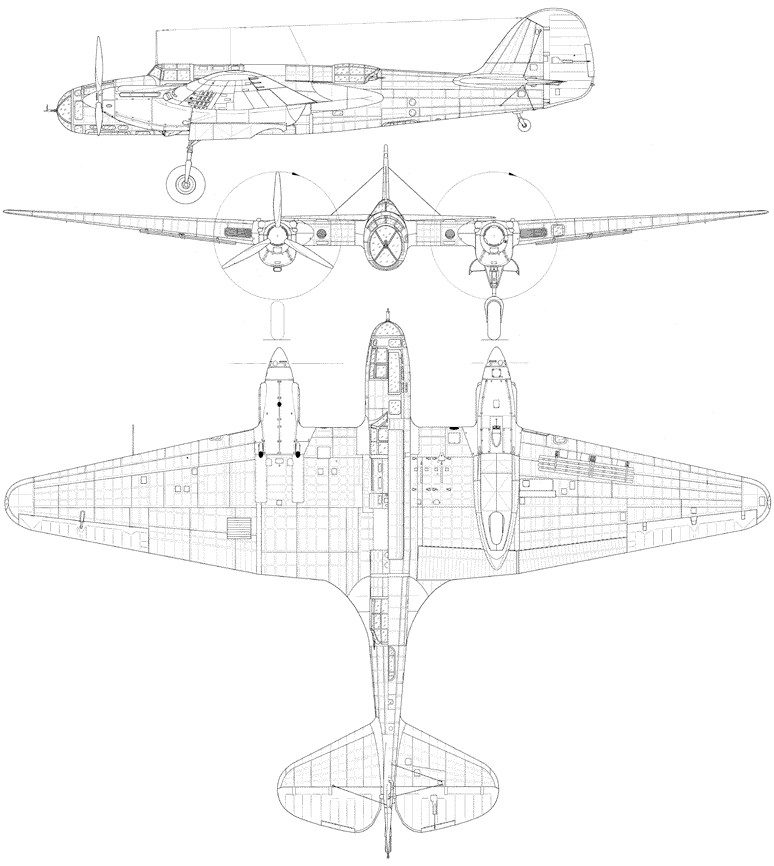
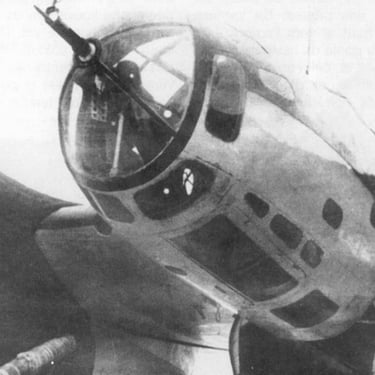
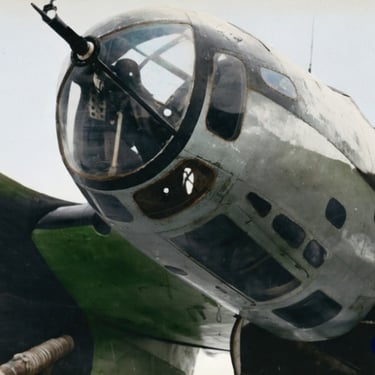
The standard SB-RK nose cone was replaced with the more aerodynamically advanced F-1 nose cone, tested on the MMN aircraft, on the reference SB-RK. A new, lower-height, convex canopy cover for the radio operator/gunner's cockpit, the so-called "turtle," was installed. A number of other improvements were also made to the aircraft's design.
The skin of the upper part of the center section between the 4th and 8th frames was made of Balinite plywood, glued with VIAM glue to the wooden detachable parts of the 5th, 6th and 7th frames.
Significant changes were made to the propeller-engine system. New engine underframes were installed, along with "new streamlined engine cowlings," "new finned-tubular water radiators... housed in special tunnels in the wing," "a new oil system, including one oil-water radiator and one air-oil radiator for each engine," and new oil tanks and 330-liter cantilevered fuel tanks. VISh-22E variable-pitch propellers with a diameter of 3 meters were used.
The new nose section provided improved working conditions for the navigator and pilot, enabling direct communication between them. The navigator's cockpit glass area was increased compared to that of the MMN aircraft, and a second control with a folding control column was installed. To improve the pilot's visibility through the navigator's cockpit glass during landing approaches and dives, the pilot's seat was shifted to the left, and the instrument panel to the right.
Aiming during bombing from horizontal flight was provided by the NKPB-3 sights (for bombing at night and from low altitudes) and the OPB-1M sight, installed in the navigator's cabin.
For target acquisition during dive bombing, the pilot had a PBP-1 bombsight. A dive horizon indicator and an overload indicator were installed on the pilot's instrument panel.
The aircraft was equipped with hydraulically controlled pilot-operated brake grilles under the wingtips, similar to those on the Ju-88, as well as an automatic dive recovery system that operated automatically when bombs were released. Upon entering a dive, after the command valve was opened, the brake grilles opened perpendicular to the airflow. Release of the grilles was signaled by mechanical indicators, the so-called "soldiers," which rose from the skin between the 10th and 11th ribs. Simultaneously, the elevator trim tabs rose, deflecting them downward. Pressing the bomb release button or an additional command button returned the trim tabs to their original position.
The aircraft's defensive small arms included three ShKAS machine guns: one with a mechanical sight in the nose ball mount (like the NU-DB-3f) with 500 rounds of ammunition for the navigator, one with a K-8T collimator sight in the upper rear TSS-1 gun mount (1,000 rounds) and one with an OP-2L sight on the lower MV-2 turret, retractable into the fuselage, with 600 rounds of ammunition.
The navigator's nose mount allowed for fire in a 50-degree cone, the TSS-1 mount - 90 degrees to the left and right, 60 degrees up and 30 degrees down, the lower MV-2 mount - 30 degrees to the left and right and from 4-5 to 55 degrees down.
The TSS-1 turret consisted of a semicircle along which a carriage with a machine gun mounted moved. When stowed, the machine gun was positioned on the left side; a small cutout in the TSS-1's screen allowed for this. When firing, the turret's transparent screen slid back along rails and lifted slightly, protecting the gunner from oncoming airflow.
The aircraft's bomber armament had a number of improvements compared to the serial SB, in particular, the ability to carry large-caliber bombs was increased: when bombing from a dive - up to 4 FAB-250 (two on external holders and two on internal) or 3 FAB-500 bombs (two outside and one inside), and when bombing from a horizontal flight - up to 3 FAB-500 or 6 FAB-250 bombs (four outside and two inside) or 12 100 kg bombs (4 outside and 8 inside).
The normal bomb load was increased to 1,000 kg, and the maximum overload load was increased to 1,500 kg. It's worth noting that the bomb armament system could release 1,500 kg of bombs in both level flight and dives. During dives, bombs were released from both internal fuselage bomb racks and four external NP-1 racks, designed by Plant N22 and completely recessed into the wing. On the NP-1 racks, the bombs were attached near the center of gravity by a single central bracket and secured with additional stops.
The aircraft's chemical weapons included two VAP-500 spray-type devices (1,000 kg total) and two UKhAP-500 universal chemical weapons (100 kg total), mounted on external hardpoints only. The VAP and UKhAP devices supported the use of all types of toxic agents, incendiary, and smoke-generating mixtures in service with the Red Army Air Forces.
In October 1940, factory testing of the first prototype SB-RK aircraft, the standard for the series, began. By November 4, 11 flights had been completed. The main defects of the aircraft were: high water (95-100 degrees C) and oil (110-115 degrees C) temperatures, and insufficient longitudinal stability. On October 29, the second prototype SB-RK was transported to the factory airfield, on which it was planned to debug the weapons system. By this time, the construction of the third standard SB-RK was nearing completion, which was supposed to be transferred to the Air Force Research Institute of the Red Army for state testing. This aircraft, compared to the first and second prototypes, featured several improvements: the cross-section of the water radiator tunnel exit was increased by reducing the number of louver flaps (5 instead of 6), the depth rudder was modified, and an additional battery was installed in the nose of the F-1 fuselage.
State tests of the experimental SB-RK, the standard for the series, were completed in January 1941. The lead test engineer was Military Engineer 1st Rank M. I. Efimov, and the test pilots were Major V. I. Zhdanov and Captain A. M. Khripkov. The test report was signed by Major General A. I. Filin, Head of the Red Army Air Forces Research Institute, on January 20, 1941, and approved by Lieutenant General P. V. Rychagov, Head of the Red Army Air Forces Main Directorate. In December, by Order No. 704 of the People's Commissariat of the Aviation Industry dated December 9, 1940, the experimental SB-RK was renamed the Ar-2 .
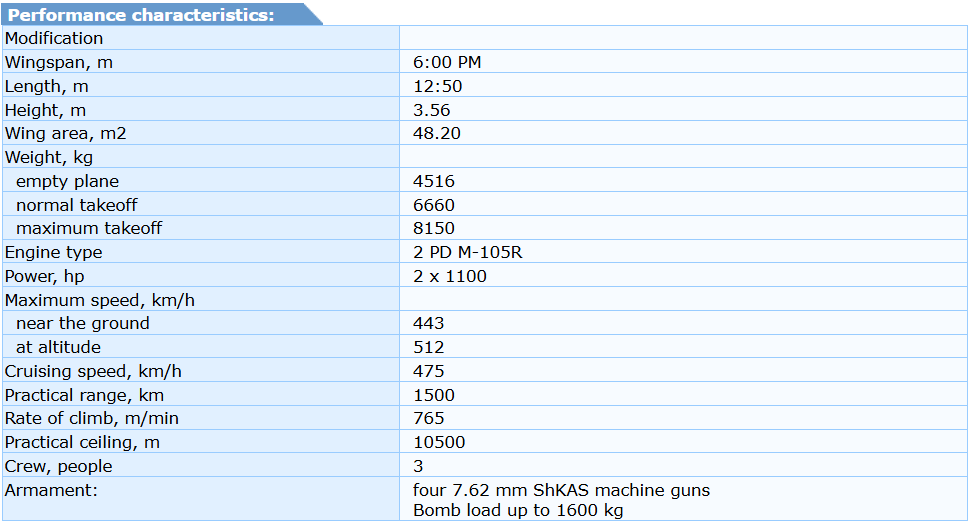
During testing, with a normal flight weight of 6,600 kg, a maximum speed of 475 km/h was achieved at an altitude of 4,700 m. The time to climb to 5,000 m was 7.1 minutes. The service ceiling at a normal flight weight was 10,000 m, and at a flight weight of 7,100 kg with two FAB-250 bombs on the external mount, it was 9,000 m. The technical flight range with two FAB-250 bombs on the internal mount at an altitude of 5,000 m and a speed of 390 km/h was 990 km. The takeoff run with a flight weight of 7,100 kg was 340 m.
It was found that the aircraft was pitch-unstable at operational center-of-gravity positions (CG) of 30.5 to 32.7% MAC. It only became stable at a CG of 27.25% MAC. Meanwhile, lateral and directional stability were satisfactory at all CG positions. The aircraft was capable of flight with one engine throttled.
During the entire state testing period, 25 dives were performed at angles ranging from 40 degrees to 75 degrees with the brake grids retracted and deployed to measure the aircraft's dive characteristics. In addition, a dive was conducted on a target with live bomb casings. The dive entry speed was 275-295 km/h, the initial dive altitude was 4,000 m, the initial recovery speed was 550 km/h, and the average G-force during the dive was 4.5 units.
The brake grids and automatic dive recovery system operated flawlessly during testing. When diving at a 75-degree angle, the straight-and-dive duration was 9 seconds, which ensured "...the possibility of precision bombing."
The new aircraft's major shortcomings were primarily related to the propeller-engine system. During testing, the M-105 engines experienced the following: "the destruction of the right oil pump, which necessitated the engine replacement; ...a crack in the lower crankcase cover on one engine; ...fuel overflow from the carburetors, which resulted in a case of carburetor intake pipe burning."
It was noted that "the cooling system operates at the upper limit of acceptable engine temperatures in winter conditions and will not ensure normal aircraft operation in summer conditions." Draining the water from the radiators proved completely impossible.
The engine oil temperature reached 110°C during climb, with the outside air temperature at ground level being minus 10°C. This was the upper limit for the M-105 engines. The factory-proposed oil system proved completely unsuitable due to frequent failure of the water-oil radiators—12 water-oil radiators were replaced during the entire testing period. The 1.5 atm shunt valves provided by the design did not protect the water-oil radiators from failure.
All this made the water and oil system of the Ar-2 "...unsuitable for use in units of the Red Army Air Force."
As can be seen, despite the fact that the M-105 engines were developed on the Ar-2 significantly later than on the SPB aircraft, and the opportunity to analyze the results of Polikarpov's refinement of this engine, the specialists at A. A. Arkhangelsky's design bureau also faced significant challenges. Subsequently, the Ar-2 engine installation was finally brought to a state acceptable for operational use.
While the Ar-2 defensive small arms system had clear advantages over the existing SB, Air Force Research Institute specialists also noted its shortcomings. Regarding the forward mount, "the feed and release unit for the links and cartridge cases is poorly designed, leading to frequent jamming." Regarding the TSS-1 upper mount, "...it has major defects, which, without correction, prevent its combat use: ...poor machine gun stability during firing; ...sight vibration; ...the link release mechanism is not properly adjusted, leading to frequent delays during firing."
A common drawback cited was the use of normal-caliber defensive machine guns, whose effectiveness in aerial combat no longer met modern requirements. However, this flaw was present in all Soviet production bombers of the time and could not be considered a fundamental one.
The conclusions of the state testing report for the aircraft noted that: "The Ar-2 aircraft, based on the SB aircraft, is significantly better in its flight and tactical performance than the production SB aircraft, but lags behind modern foreign and domestic twin-engine medium bombers in speed. ... The flight characteristics of the Ar-2 aircraft are similar to those of the SB aircraft, and the aircraft is even easier to control. In terms of controllability and pilot visibility, the aircraft is convenient for flying in formation. ... The Ar-2 aircraft can be approved for operation in units of the Red Army Air Force, provided that the power of the M-105 engines is limited..."
The Arkhangelsk Design Bureau and Plant No. 22 were required to bring the propeller-engine system up to scratch, ensure the aircraft's longitudinal stability in all operating modes, improve the armament, and eliminate the machine's existing defects, as noted in the act and in the state testing report.
In February 1941, the Ar-2 N1/511, featuring design improvements based on the results of state tests of the lead Ar-2, was submitted to the Red Army Air Forces Research Institute for state testing. The M-105R engines on this aircraft were moved forward by 150 mm to improve longitudinal stability. VIT1T-22E propellers with a diameter of 3.1 m were installed. The engine gear ratio was changed to 0.59 (from 0.66). In addition, the aircraft was equipped with thinner brake grilles and jet exhaust pipes. The aircraft's build quality and surface finish were significantly improved. These improvements allowed for a maximum speed of 443 km/h at sea level and 512 km/h at an altitude of 5,000 m.
It would seem logical to continue work on improving the Ar-2's aerodynamics and upgrading its armament, thereby ensuring the aircraft's required performance in production, and to accelerate the B-1's flight and combat readiness. However, fate decreed otherwise.
By this time, the lead Pe-2 (in accordance with NKAP order No. 704 of December 9, 1940, the PB-100 was renamed the Pe-2 - author) had already successfully completed tests, demonstrating good results: with a takeoff weight of 7,536 kg, the maximum speed at an altitude of 5,100 m was the coveted 540 km/h, the ceiling was 8,700 m, and the flight range was 1,200 km. The normal bomb load was 600 kg, with an overload of 1,000 kg.
Starting with the new year, aircraft factories No. 39 and No. 22, designated for the Pe-2 series, began rolling out their products onto the airfield. The leadership of the People's Commissariat of the Aircraft Industry and the Air Force became confident that all technological and organizational issues related to the Pe-2's launch into full-scale production would soon be resolved.
On January 29, 1941, the prototype dive bomber "103" 2AM-37, designed by the NKVD Specialized Technical Bureau, completed its maiden flight under the factory testing program. At the same time, construction of an improved version of this aircraft, the "103U" 2AM-37, was in full swing at the 156th Aircraft Plant; completion was scheduled for March.
According to the State Defense Committee Resolution No. 401 of October 11, 1940, the maximum speed of these versions of the "103" aircraft was to be 580-600 km/h at an altitude of 7000 m, the normal bomb load was 1000 kg (up to 3000 kg under overload), the flight range with a normal bomb load was 2500 km, and the gun armament was 2 ShVAK cannons and 5 ShKAS machine guns.
The first results of the factory tests of the "103" aircraft gave hope that the Air Force would soon be able to obtain a strike aircraft whose flight and combat performance would surpass all combat aircraft of this class known at the beginning of 1941 and would completely solve the "problem of arming the Red Army Air Force with frontline dive bombers."
As a result, by the Defense Committee's Decree of February 11, 1941, serial production of the Yak-4 (the BB-22 2M-105 was renamed the Yak-4 by NKAP Order No. 704 of December 9, 1940) at Aircraft Plant No. 81 was discontinued. Serial production of the Arkhangelsk Ar-2 2M-105 bomber was also discontinued. V. M. Petlyakov's Pe-2 dive bomber was firmly established at Aircraft Plant No. 22.
On April 1, 1941, A. I. Shakhurin signed order No. 291 "On the design and construction of the MoV-2 aircraft with the AM-38 engine designed by G. M. Mozharovsky and I. V. Venevidov." The design was assigned to Plant No. 32, and the construction to Plant No. 89. Since A. A. Arkhangelsky had previously participated in the development of the preliminary design for this attack aircraft, on April 10, NKAP order No. 309 followed, according to which A. A. Arkhangelsky's entire design team was transferred to Plant No. 32 to ensure work on the design and construction of the MoV-2.
As we can see, the development of a modern frontline bomber for the Red Army Air Forces in the lead-up to the Great War was carried out under the slogan "speed up," and some success was achieved in this direction. However, it must be acknowledged that the "high-speed" development of Soviet bomber-type aircraft came at the expense of their fundamental combat capabilities. Given the then-current level of development of the Soviet aircraft industry, primarily engine manufacturing, the obsession with speed naturally led to a significant reduction in the bomber's payload, and therefore to a reduction in the "power of bombing strikes against the enemy." Thus, the primary Soviet frontline bomber, the Pe-2, had a very modest normal bomb load for such an aircraft—only 600 kg (with an overload of 1,000 kg), while the high-speed, short-range dive bomber, the BB-22PB, carried even less: 400 kg (with an overload of 500 kg).
At the same time, in the pre-war period, no serious research was conducted to identify optimal forms and methods for the combat employment of aviation in modern warfare. Consequently, efforts to determine optimal directions for aviation development (the composition and organizational structure of combat aviation forces) and to analyze the combat effectiveness of various aircraft types in future warfare conditions received little attention. Consequently, the design (performance data and aircraft design, number of engines, crew composition, armament composition and its arrangement on the aircraft, the required ammunition load, etc.) of prospective combat aircraft (fighters, frontline bombers, attack aircraft, etc.) was not determined, nor were recommendations developed for improving aircraft already in service with the Red Army Air Forces.
In turn, the lack of a sound concept for the development of the Red Army Air Force meant that neither the military, nor the country's leadership, nor the People's Commissariat of the Air Force had a clear and precise understanding on the eve of the war of what combat aircraft, in what quantities, and in what proportions the Red Army Air Forces needed to be equipped with. And most importantly, there was no consensus on these issues.
As a result, when making decisions about the development of next-generation combat aircraft, as well as the introduction or decommissioning of particular aircraft into service with the Air Force, only a few indicators characterizing the aircraft's flight and combat performance were considered and compared. In fact, all decisions were made by the Defense Committee, the Red Army Air Forces Directorate, and the People's Commissariat of the Air Force in a blind manner, largely without regard for the specific combat environment in which these aircraft would have to fight.
Meanwhile, from the perspective of a combined arms commander, what matters is not, for example, the speed of a bomber or its ceiling, but the damage it can inflict on the enemy while performing a specific combat mission for ground forces. This means that for a combined arms commander, the most important bomber characteristics include the weight and composition of its bomb load, the effectiveness of its air-launched weapons (air bombs, incendiary mixtures, etc.) against specific targets, and the accuracy of its bombing and firing. On the other hand, a bomber performs a specific combat mission against enemy fighter aircraft and anti-aircraft artillery. From this perspective, the following are important: speed, maneuverability, ceiling, the effectiveness of its defensive armament, the aircraft's combat survivability, etc.
In this regard, to fully describe the development of the Soviet concept of a high-speed attack aircraft, it is interesting to compare the pre-war serial and experimental dive bombers of the Red Army Air Forces and the Luftwaffe - the Ar-2, Pe-2, BB-22PB, YuZU, SPB and Ju88A-4, from the point of view of their potential combat effectiveness in the conditions of battles on the Eastern Front.
We will evaluate the combat effectiveness of bomber aircraft based on the probability of their accomplishing a specific combat mission to destroy targets for ground forces, or the probability of a bomber's combat success. The probability of a bomber's combat success is determined by the bomber's probability of not being shot down by enemy fighters and anti-aircraft artillery during approach to and over the target, the probability of reaching the target area with a specified error margin, the probability of visual target detection, and the probability of hitting the target during bombing.
All calculations for the compared aircraft were conducted under identical combat conditions. Typical ground targets and conditions for ground and air combat on the Eastern Front were used as initial data. Two combat modes of bomber employment were considered: dive bombing of small, hard-to-vulner targets (permanent defensive fortifications with a ceiling thickness of no more than 70 cm, bridges, warehouses, etc.), which required large-caliber bombs (250 kg or more) to destroy; and level bombing of area, lightly defended or undefended targets (infantry columns, vehicles, and lightly armored vehicles, artillery and mortar guns in position, etc.). In all cases, the maximum aircraft performance was assumed in the calculations.
The probability of a bomber reaching and detecting a target was assumed to be equal to one in the calculations. When calculating the probability of hitting a target during bombing, the target's vulnerability to the specific types of weapons used was taken into account. The pilots and navigators had good flight and gunnery training.
When assessing the probability of shooting down a bomber by anti-aircraft artillery fire, it was assumed that the anti-aircraft artillery (AA gun barrels) were uniformly distributed across the enemy's tactical defense zone. Since the operating altitudes of frontline bombers on the Eastern Front were 2,000-3,000 meters, only medium-caliber AA gun barrels were considered in the calculations. The bomber's anti-aircraft maneuver was accounted for by introducing an additional error into the anti-aircraft gunners' aiming.
When calculating the probability of shooting down a bomber by a fighter, the following assumptions were made, simplifying the calculations, but not affecting the overall conclusion when comparatively assessing the combat effectiveness of bombers of different types:
the German Bf109f-1 was taken as the enemy fighter, the detection and attack of the enemy bomber by the enemy fighter is carried out from a loitering position in the air, the probability of detection of the bomber by the pilot of the attacking fighter in the patrol zone is carried out visually and is taken to be equal to 1, when calculating the probability of a fighter attacking an enemy bomber from the rear hemisphere (i.e. approaching and making a combat turn with an exit to the attack curve at the opening fire distance) the dive characteristics, rate of climb and time of the established turn (radius) were taken into account, while in all calculations it was assumed that the maximum overload on the attack curve, at which the pilot could conduct aimed fire, does not exceed 4 units, - the probability of shooting down a bomber by a fighter was estimated taking into account the return fire of the bomber's air gunner, - the marksmanship and flight training of fighter pilots is good, the marksmanship training of the air gunner is good, - the anti-fighter maneuver of the bomber was taken into account by introducing an additional error in aiming, - the conditions The parameters of aerial combat (distribution of the firing angle, firing range and burst length, maximum overloads during attack, etc.) were assumed to be typical for the period of aerial combat during the Great Patriotic War; - sights: optical for fighters, mechanical for the bomber's air gunner; - fighter fire in all cases was accompanying. Calculations show that under typical combat conditions on the Eastern Front, when solving the combat mission of destroying small, hard-to-vulnerable targets, the Ar-2 dive bomber was almost 5.5 times more effective than the BB-22PB bomber, 1.4 times more effective than the Pe-2, and 1.3 times more effective than the German Ju-88A-4.
When it came to the combat mission of destroying a lightly defended area target, the Ar-2 again demonstrated the best performance of all serially produced Soviet bombers. However, the Pe-2 lagged behind the Ar-2 by a factor of 1.3, and the BB-22PB by a factor of almost 2.5. At the same time, the Ar-2 was inferior to the Junkers in this "dual-effect" combat by a factor of approximately 1.3.
The experimental dive bomber "YUZU" 2AM-37 was superior in combat effectiveness to both the Ar-2 and Ju-88A-4 in all types of air support missions. Unlike its competitors, the "YUZU" was capable of carrying three FAB-1000 bombs (the maximum capacity of its bomb racks) and "dropping" them in a dive.
Unfortunately, the outbreak of war prevented the aircraft from being quickly brought up to operational standards. The AM-37 engine was removed from serial production, and the M-82A engine installed in its place suffered from numerous "teething" problems. As a result, the first three serial Tu-2 2M-82s (by NKAP order No. 234 of March 28, 1942, the "103" aircraft were designated Tu-2) arrived at the front only in September 1942, and regular and high-quality serial production (now with M-82FN engines) was not established until mid-1944. However, the bomber lost its "ability" to dive-bomb—the brake grids and control system were removed. The aircraft was now classified as a medium bomber, intended "for daytime bombing missions from level flight against enemy lines."
The BB-22PB is a clear underdog in any combat mission. It must be acknowledged that the adoption of the BB-22 bomber variant by the Red Army Air Forces was a grave mistake on the part of the Air Force Directorate, the People's Commissariat of the Air Force, and the Defense Committee. It offered no real combat value, but considerable effort and resources were expended on its introduction into serial production and fielding.
Another serious mistake was the termination of serial production of the Ar-2 bomber in favor of launching the mass production of the Pe-2 bomber.
The Ar-2's apparent primary drawback—its lower maximum speed compared to the Pe-2—was fully compensated for by optimizing the dive bomber's combat tactics, better coordination with fighter escorts and control during combat, and training bomber regiment pilots in aerial combat with enemy fighters, both individually and in groups. This is exemplified by the example of Luftwaffe pilots, who, despite operating attack aircraft with mediocre performance, achieved high combat effectiveness primarily through rational combat tactics, excellent coordination with their fighter aircraft and ground forces, and the excellent flight and combat training of their crews.
Most importantly, the Ar-2 had excellent takeoff and landing performance and was more easily mastered by young wartime sergeants than the Pe-2. As is well known, the Pe-2 absolutely did not tolerate high flares—in this case, the landing gear was guaranteed to break. Broken Pe-2s, or Pe-2s, accounted for up to 30% of the units' malfunctioning aircraft.
In any case, the Ar-2 was able to demonstrate better combat effectiveness throughout the war in solving any combat mission of frontline bomber aviation than the main dive bomber of the Red Army Air Forces, the Pe-2.
As follows from the analysis of the potential combat effectiveness of the compared bombers, the bomb armament system of the German Ju88A-4 was more consistent with the distribution of typical ground targets against which aviation had to operate on the Eastern Front in the initial period of the war than the bomb armament of the Soviet bombers.
The Junkers' primary bomb loadout was a 50-kg bomb—28 on board—while the bomb system of Soviet bombers was primarily designed to carry 100-kg bombs (6-12). This configuration maximized the payload capacity of Soviet aircraft. When using smaller bombs, Soviet bombers were underloaded. For example, when carrying 50-kg bombs, the Pe-2 fell 100 kg short of its normal bomb load and 500 kg short of its maximum.
At the same time, based on the vulnerability characteristics of typical ground targets in the initial period of the war (motorized and mechanized columns, artillery batteries in position, etc.), the primary types of aerial bombs should have been 25 kg fragmentation bombs and 50 kg high-explosive bombs, as well as smaller-caliber fragmentation bombs. For example, the effective area of destruction of armored personnel carriers and light tanks when dropped from an altitude of 500-1000 m by ten FAB-50m bombs was approximately 400 m², while that of six FAB-100 bombs was only 180 m².
In the directive of the Commander-in-Chief of the Red Army Air Forces, Colonel General of Aviation P. F. Zhigarev, No. 14501/12153, dated January 25, 1942, on the results of the inspection of combat operations by air units of the Western and Southwestern Fronts in January 1942, it was stated that: "...In the majority of air units of the air forces of the Western and Southwestern Fronts, incompetent use of small arms, cannon, and bomber armament was noted... The caliber and type of bombs used often do not correspond to the nature of the target. Standard charges are used: FAB-100 or FAB-50, even against targets requiring destruction with fragmentation bombs..."
An analysis of the combat experience of units of the Western and Southwestern Fronts (19th, 46th, 47th and 63rd SADs), the 6th and 7th IAKs of the Air Defense for the period June-December 1941, conducted by the head of the Department of Aircraft Gun and Cannon Armament of the N. E. Zhukovsky Air Force Air Force, military engineer 1st rank E. B. Lunts in February-March 1942, showed that in many cases bombs were used primarily based on the convenience and speed of preparing aircraft for combat sorties, while the protection of targets and the effectiveness of the bombs (the killing power of fragments, high-explosive action, etc.) were completely ignored.
According to Lunts, during the first six months of the war, all aviation branches spent 41.6% of their combat sorties on destroying enemy tanks, motorized mechanized troops, artillery positions, and manpower, 2.5% on attacks on enemy airfields, and 1.6% on attacks on railway targets. The remaining sorties were dedicated to combat missions without the use of aerial bombs.
That is, instead of using fragmentation bombs of the AO-25s and AO-25m type and high-explosive bombs of the FAB-50 and FAB-50m type, bomber air units used bombs of the FAB-100 type - 56% of the weight of all bombs dropped on the enemy.
In conclusion of his report, Professor Lunts proposed "...to remove the FAB-100 from service" and "...to prohibit units in pursuit of tonnage from using bombs that are not appropriate for the nature of the target (for example, the FAB-100 instead of the FAB-50m or AO-25)."
On the other hand, enemy ground targets requiring large-caliber bombs (pillboxes, bunkers, bridges, warehouses, etc.) were few and far between at the start of the war, and modifying combat aircraft designs to accommodate the maximum payload of 50-25 kg bombs was both troublesome and risky. To remedy the situation, it was necessary to urgently develop 100 kg bombs with greater fragmentation efficiency. The OFAB-100 high-explosive fragmentation bomb and the ZAB-YuOTSK incendiary bomb proved to be the most successful. The OFAB-100 had a powerful high-explosive effect upon detonation, producing numerous heavy fragments that could penetrate German tank armor up to 30 mm thick and disable 155 mm field guns at a distance of up to 10 meters from the detonation point. In turn, the incendiary "hundred" easily penetrated the floors of buildings, knocking out windows and doors with a high-explosive blow, thereby providing an influx of air for the spread of the fire.
The situation changed in 1944-45, when the Red Army and the Red Army Air Forces encountered particularly strong Wehrmacht defenses. As is well known, German fortified areas presented a relatively difficult target for aircraft due to the high density of air defense assets and the small size and high strength of their permanent reinforced concrete fortifications. Densities of up to six pillboxes and bunkers per kilometer of frontage were common, although in some cases, their number reached 20 per kilometer. The GU strip along the front varied from 30 to 140 km, and the total number of pillboxes and bunkers ranged from 60 to 900. At the same time, the capabilities of the main frontline bomber of the Air Force, the Pe-2, were still insufficient - two FAB-250 with a standard bomb load (four FAB-250s were rarely "carried") did not provide the required probability of hitting Wehrmacht fortifications, and the Tu-2 2M-82 bomber, as noted above, had already lost its diving capabilities by this time.
This was the moment when the Arkhangelsk Ar-2 dive bomber's finest hour could have arrived—its ability to carry six FAB-250 bombs or three 500-kg bombs and "drop" them from a dive would have been more useful to the Red Army than ever before. By this time, the Ar-2 would have already significantly improved its performance through enhanced defensive armament, improved aerodynamics, increased power output, and improved survivability. Naturally, the Ar-2 wouldn't have been able to completely replace the Tu-2, but it would have complemented it successfully.
It remains a shame that as of June 1, 1941, the Red Army Air Forces had only 164 Ar-2 2M-105 aircraft in their inventory, including 147 (3 faulty) aircraft in the Military Districts, and the remainder in the Central Military Districts and at the 22nd Plant. Given the Red Army's strategic retreat and the frankly poor organization of air and ground combat operations, the Ar-2 bombers were unable to demonstrate their full potential. Furthermore, due to the lack of adequate fighter cover and the insufficient training of flight crews, the majority of Ar-2s were lost in the first months of the war. According to official figures from the Red Army Air Forces Headquarters, combat losses of Ar-2s in 1941 amounted to 95 aircraft.
It's worth noting that when developing the plan to equip the naval aviation with modern combat aircraft in 1941, the leadership and specialists of the Red Army's Naval Air Force considered the Ar-2 as the primary dive bomber, and the "Peshka" primarily as a long-range escort fighter. But their opinions were "heard."
Considering that the Su-2 short-range bomber proved inadequate as a combat aircraft in a major war, and the Il-2 AM-38 armored attack aircraft did not fully meet the requirements of modern warfare, it must be concluded that the combat strength and armament of the Red Army Air Forces' strike aircraft on the eve of the war proved generally inadequate for the nature and conditions of combat. With the outbreak of war, this, coupled with the inadequate combat training of flight personnel and the operational and tactical preparedness of air force command personnel and staffs, as well as the leadership of the Air Force and the Red Army, led to the ineffectiveness of air support for friendly forces and heavy losses from enemy fire.
Arkhangelsk "Ar-2", Bomber