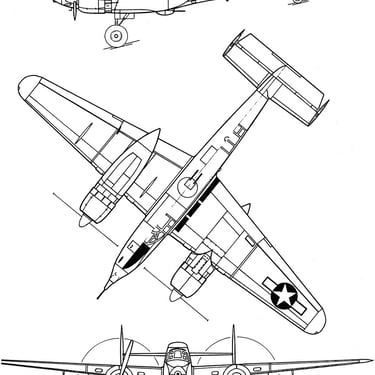
A-38 "Grizzly", a Beech attack aircraft
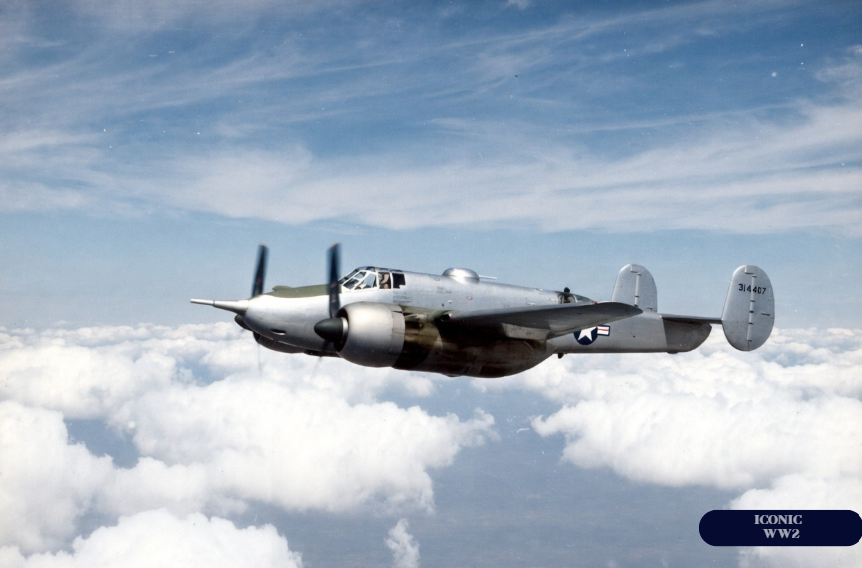
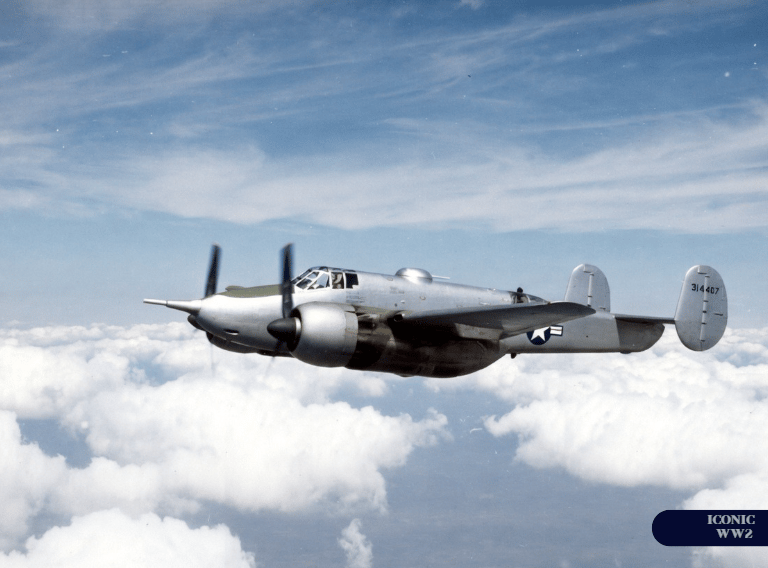
Developer: Breech
Country: USA
First flight: 1944
Type: Attack aircraft
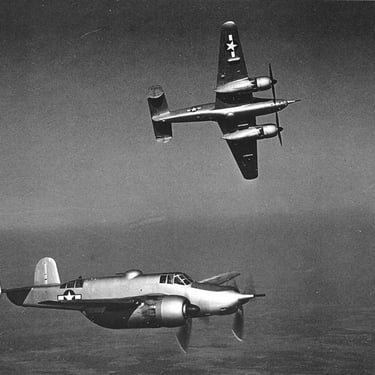
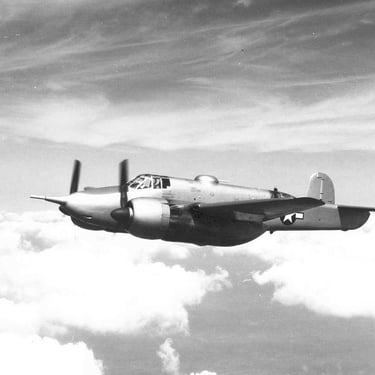
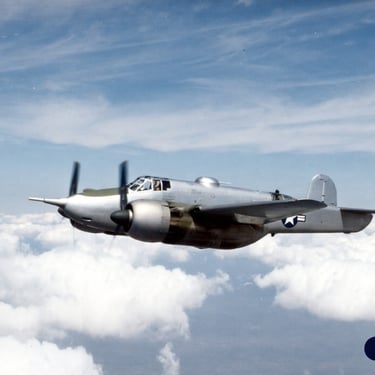
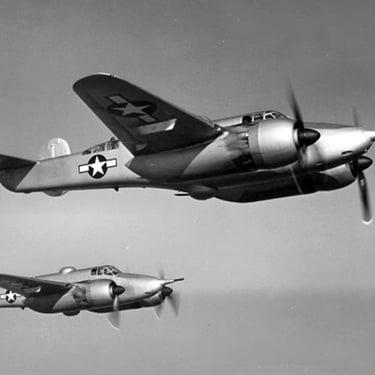
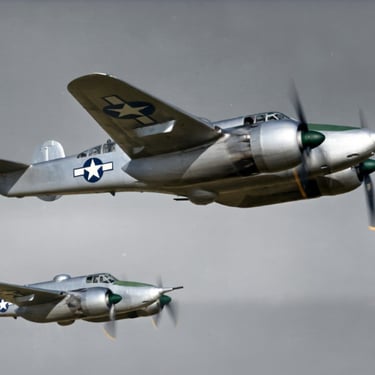
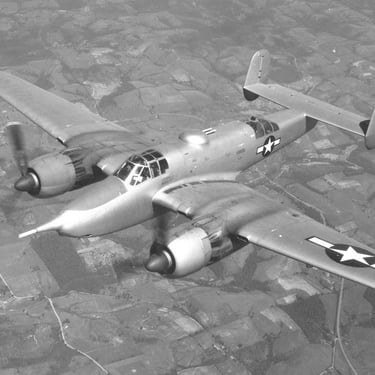
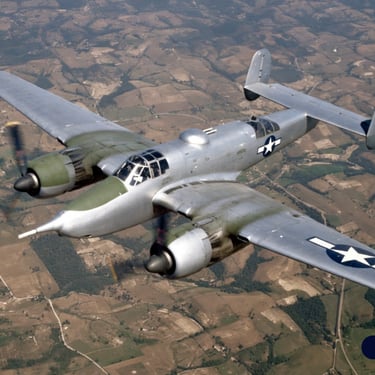
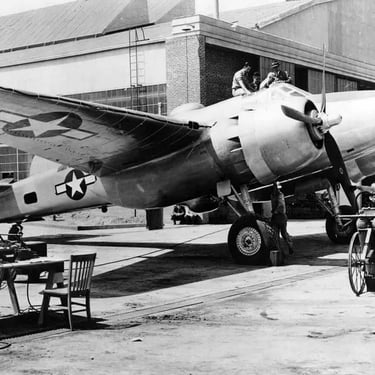
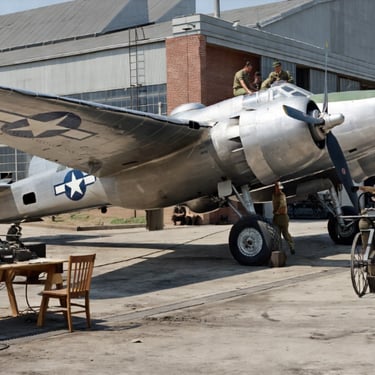
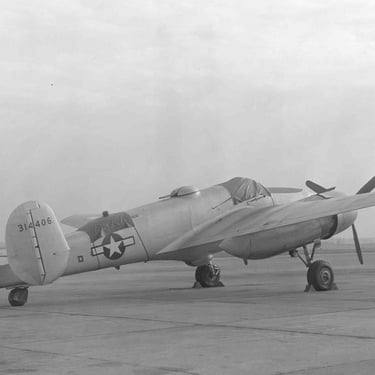
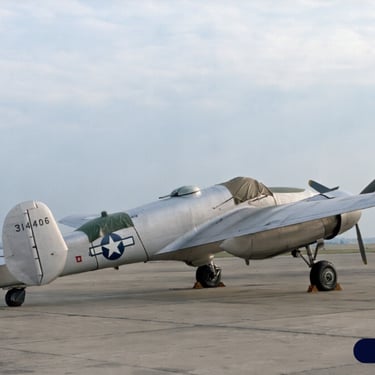
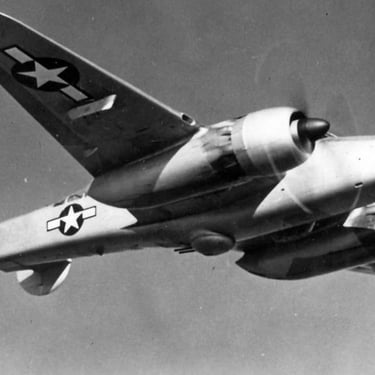
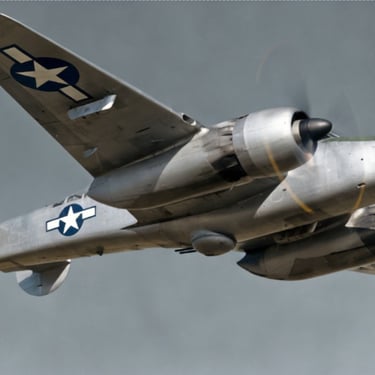
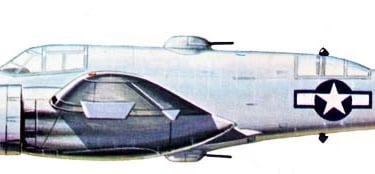
During World War II, specialized ground-attack aircraft developed to combat tanks and armored vehicles. The Ilyushin Il-2 is rightfully considered the most famous of these aircraft. The German Henschel Hs-129 proved less successful and was not particularly popular with Luftwaffe pilots. Cannons became the primary attack weapon for ground-attack aircraft, with their caliber directly affecting the aircraft's combat effectiveness. Midway through the war, the Il-2 received the powerful 37mm NS 37 cannon, and in early 1945, the 45mm NS 45 was flight-tested. The Germans experimented with even larger calibers and installed the 75mm VK 7.5 cannon on the Hs-129B-3/Wa. Cannons with a caliber greater than 37 mm made it possible to destroy virtually any armored vehicle, and aircraft armed with them became the main air support for the advancing infantry.
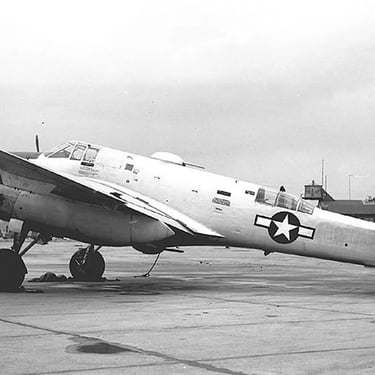
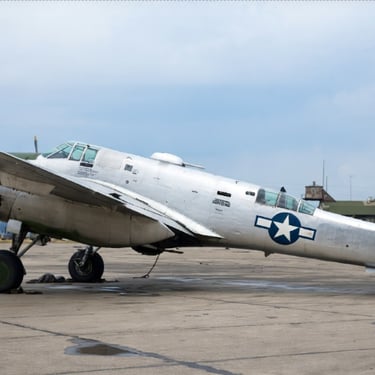
Experience with ground attack aircraft (primarily the Il-2) yielded positive results. The US Air Force also expressed interest in a flying battery (as a replacement for the Douglas A-20 Havoc). In 1943, the military commissioned Beechcraft to develop a two-seat ground attack bomber, which later received the experimental designation XA-38 and the unofficial name "Grizzly." The program was canceled after two prototypes were completed.
In early 1942, the US Army Air Corps issued a contract for a heavy armored attack aircraft with powerful offensive armament capable of effectively engaging well-defended ground targets. Earlier, in 1941, a similar contract had resulted in the development of the single-engine Brewster XA-32 attack aircraft, which lacked significant advantages over modified production aircraft and therefore never entered production. Consequently, the requirements were reformulated. The requirement now called for a twin-engine, two-seat attack aircraft, but still in the same "A" (Attack) category. Among other designs, the Beechcraft aircraft, designated Model 28 by the company and XA-38 by the military, was selected for experimental construction. Its competitor was the Hughes XA-37 attack aircraft, based on the D-2 and D-5 long-range reconnaissance aircraft, but it was never developed.
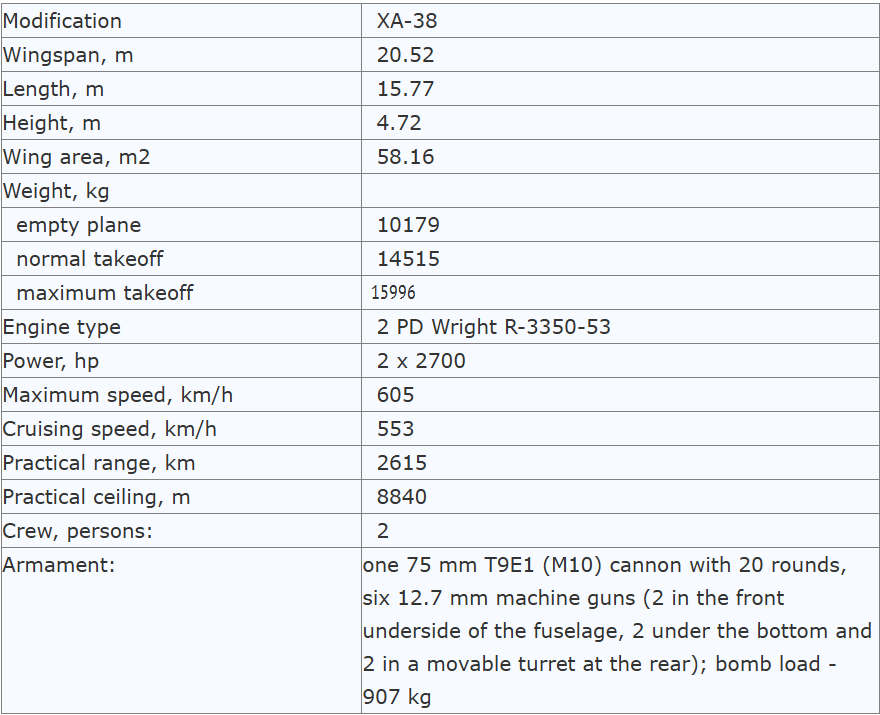
Beechcraft did its best to meet all USAAF requirements. The XA-38 attack aircraft was an all-metal monoplane with a tricycle landing gear and a tailwheel. The aircraft was powered by Wright R-3350 "Cyclone" 18 engines (like the B-29) with two-speed superchargers and direct water injection, which temporarily increased power from 2,300 to 2,440 horsepower.
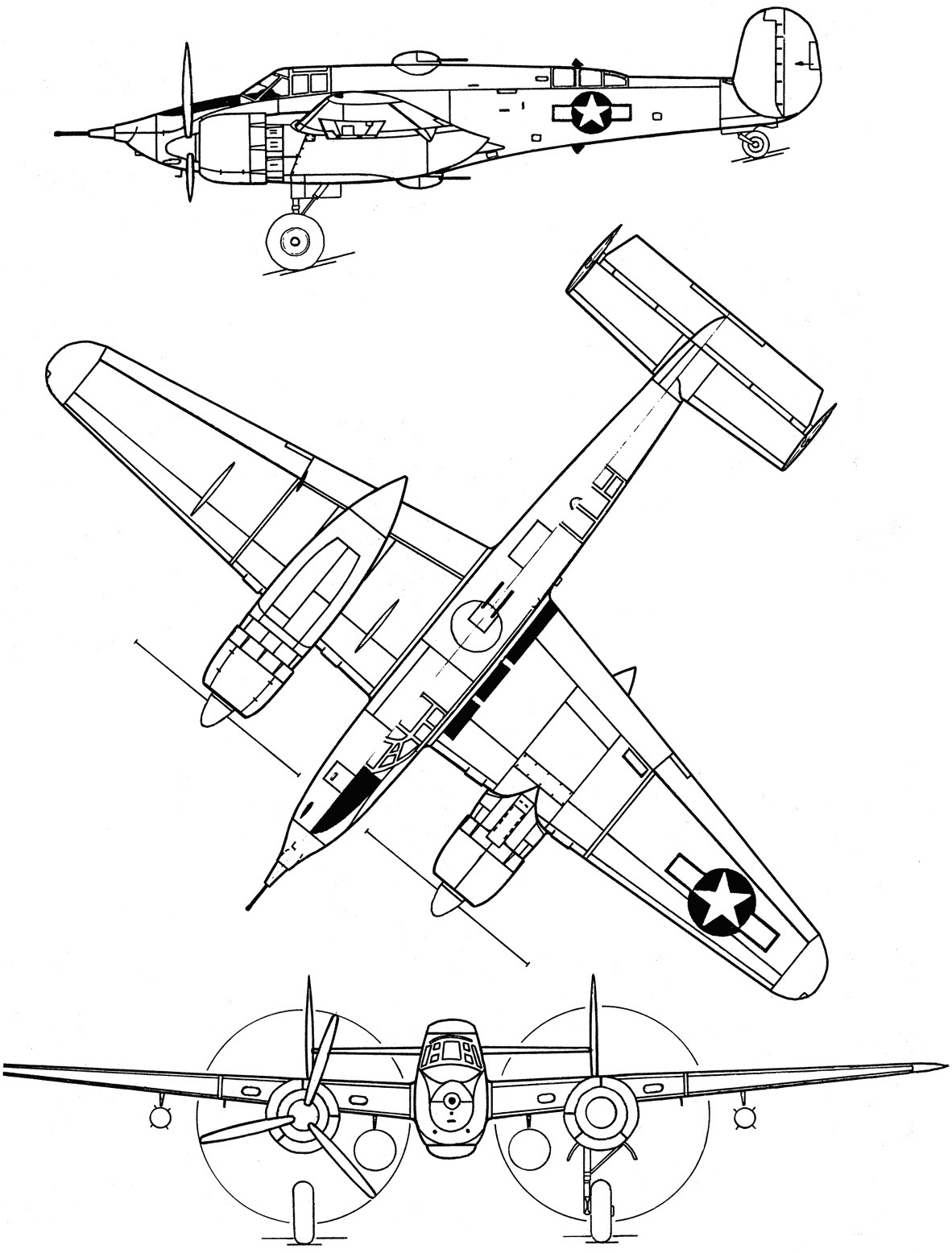
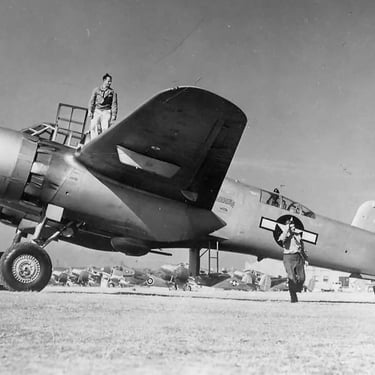
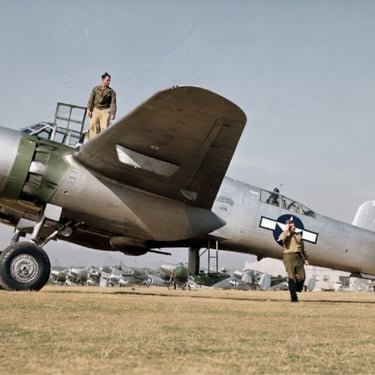
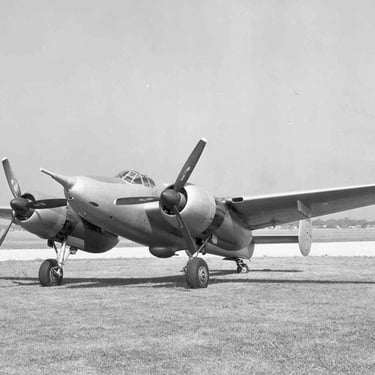
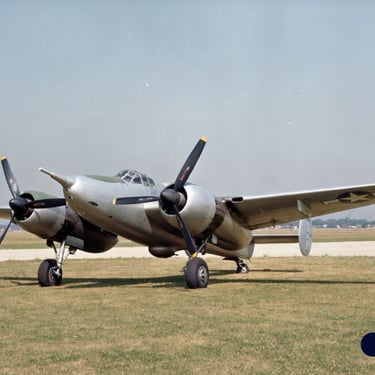
American designers had their own vision for a fire support aircraft, and the XA-38 was a fairly large, twin-engine, all-metal aircraft. Armor, unlike that of the Il-2 and Hs-129, was minimal. The main attack weapon was the 75mm T9E1 (M10) cannon, mounted in the nose, forward of the cockpit. For forward firing, there were also a pair of large-caliber M-2 (12.7mm) machine guns mounted beneath the cannon. The gunner sat in his cockpit behind the wing and remotely controlled two turrets—one above and one below the fuselage—each with a pair of M-2 machine guns, aimed via a periscope. Additionally, four underwing racks could carry bombs totaling up to 907 kg, or additional fuel tanks.
The attack aircraft's crew consisted of three: a pilot/radio operator, a weapons operator, and a rear gunner. With these parameters, the XA-38 was quite comparable to medium bombers of the time, but its primary mission was not considered to be bombing. The designers envisioned the XA-38 more as a heavy fighter-interceptor, since its powerful armament and high design speed would allow it to engage not only bombers but also enemy fighters.
The only thing left to do was to obtain the necessary engines, which ultimately ruined this promising aircraft.
Construction of two XA-38 prototypes (serial numbers 43-14406 and 43-14407), begun in 1942, was delayed by more than six months due to the limited availability of R-3350 engines, which were primarily intended for the B-29 heavy bomber, whose construction program had a much higher priority. When the engines finally became available, it turned out that the Army Air Corps had lost interest in the XA-38. Essentially, the Beechcraft attack aircraft suffered the same fate as the Lockheed XP-58 heavy fighter, which was scrapped almost immediately after its launch. Nevertheless, the decision was made to test the XP-38s that had already been built.
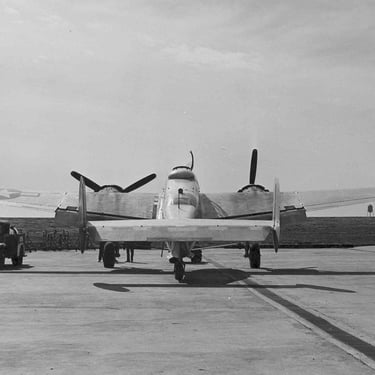
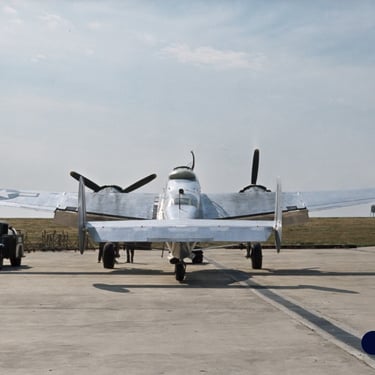
Wright R-3350-43 turbocharged engines (2,300 hp for takeoff) were mounted on the mid-wing. The single-wheel main landing gear retracted hydraulically into the engine nacelles, while the tailwheel retracted into a dedicated compartment. To improve the gunner's visibility and ensure effective rearward firing, the tail unit featured a twin-fin design with two "washers."
The attack aircraft first took to the air on May 5 (or 7, according to other sources), 1944. Beechcraft test pilot Vern Karsten piloted the aircraft. The first prototype was temporarily fitted with wooden mock-ups in place of the real weapon, but in July of that year, after intensive factory testing, the 75mm cannon began firing. The XA-38 passed all tests successfully, allowing it to be transferred to the USAAF Research Center in Eglin, Florida, for testing on August 14, 1945. It was given the name "Destroyer," although its unofficial nickname "Grizzly" became more popular. The second prototype flew on September 22, but by then it was clear that the Army Air Corps was no longer interested in continuing the program. The capitulation of Germany and then Japan put an end to many successful developments, including the XA-38, as ground support duties were transferred to multirole fighters and tactical bombers.
In addition, the used engines were needed for the B-29 Superfortress, which remained a priority.
The aircraft proved satisfactory in all respects, and better than expected in some, including top speed (there was even a legend that the Grizzly "outran" a P-51B Mustang that was pursuing it). American Army pilots and active-duty service personnel were present during testing of the XA-38 prototypes; they described the aircraft as reliable and highly serviceable. The aircraft proved highly maneuverable, capable of takeoff and landing in significantly smaller areas than other aircraft of similar size required. Its armament proved particularly effective. Had military priorities not shifted, the aircraft would likely have been ordered in some quantity as early as 1944.
Had the war continued, it's likely that with its speed, firepower, and rugged design, the A-38 would have become the Army's most important support aircraft. Instead, one prototype was soon destroyed, and the fate of the other, destined for the USAF Museum, remains unknown.
A-38 "Grizzly", a Beech attack aircraft